

The Reign of Refined Beige
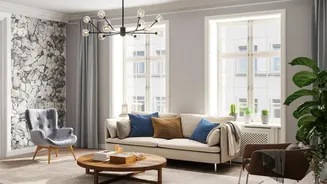
It wasn’t long ago that our social media feeds were flooded with serene, monochromatic beige interiors. Promoted by celebrities and designers, the 'beige-drenched' room became a symbol of quiet luxury and minimalist chic. The appeal was obvious: beige is calming,
clean, and creates a sophisticated canvas that feels both modern and timeless. It was the perfect antidote to visual clutter, offering a peaceful retreat from a busy world. This warm minimalism, with its muted hues and clean lines, was seen as a move away from heavier, more elaborate decor, providing a sense of order and purpose.
Why We're Suddenly Craving More
After years of living in these serene but sometimes sterile spaces, a collective desire for more personality and warmth is emerging. Some designers argue that when used in excess, the all-beige look can become one-dimensional and flat. The trend's widespread popularity led to a 'clone effect,' with many homes beginning to look identical. In 2026, homeowners are seeking more individuality and a deeper connection to their environment. There's a growing emphasis on creating spaces that reflect personal stories and offer sensory comfort, moving beyond a purely visual, catalogue-perfect aesthetic.
Texture: The New Language of Comfort
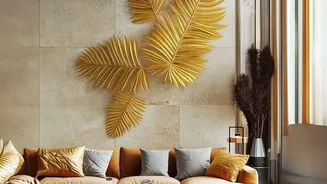
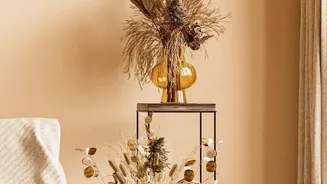
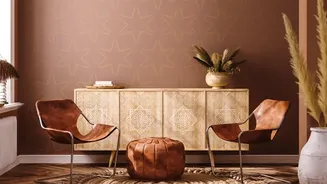
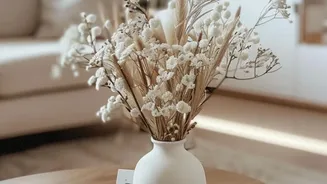
The antidote to the flatness of monochrome is texture. In interior design, texture refers to the surface quality of a material—how it feels and how it catches the light. In a neutral space, texture does the heavy lifting that color might do elsewhere, creating depth, contrast, and interest. Think of the interplay between a nubby bouclé armchair, a smooth marble coffee table, a handwoven jute rug, and the soft fluff of a pampas grass arrangement. It's this layering of different materials—rough with smooth, matte with glossy, hard with soft—that builds a rich, inviting, and dynamic environment.
From Visual Palette to Sensory Experience
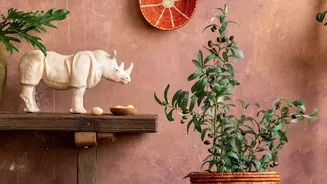
This trend is about more than just looks; it's about feeling. A textured interior invites touch and engages more of our senses. The shift is from creating a room that simply looks good on a screen to one that feels genuinely good to live in. The warmth of a chunky knit throw, the coolness of a stone artifact, or the organic roughness of a terracotta vase add a human element that monochrome visuals can sometimes lack. This focus on craftsmanship and natural materials like teak, mango wood, and handwoven textiles is also seeing a resurgence in India, celebrating local artistry and heritage.
How to Add Texture to Your Neutral Room
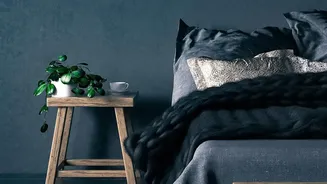
Embracing this trend doesn’t mean you have to abandon your beloved beige. In fact, beige provides the perfect neutral backdrop for a symphony of textures. Start small. Introduce a variety of textiles through cushions and throws in different materials like velvet, linen, and chunky wool. Layer rugs—perhaps a large jute rug with a smaller, plusher one on top. Incorporate natural elements like wood, rattan, stone, and plants. Even small decorative items like fluted glass vases, ceramic bowls, or artisanal wooden platters can add a surprising amount of tactile interest and personality without overwhelming the calm aesthetic you started with. The key is to mix and layer, creating a curated look that feels both sophisticated and deeply personal.