






Why the Resume Can Wait, But Skills Can't
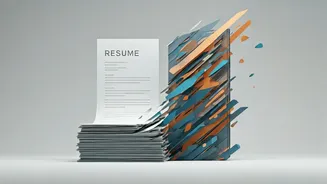
In 2026, Indian employers have fundamentally shifted their hiring approach. [5] The focus is no longer just on academic credentials but on demonstrable, job-ready skills. [7, 21] Recruiters and hiring managers spend mere seconds scanning a resume before
making a decision. [11] If that resume is a long list of courses without proof of practical application, it fails to make an impact. [11, 22] Companies understand that freshers are new to the industry, so they aren't expecting experts. [11] What they are desperately looking for is potential, a positive learning attitude, and evidence that a candidate can solve problems and contribute to a team. [8, 11] A resume is a summary of your value; skills are the value itself. Without the latter, the former is just an empty document.
From 'What Did You Study?' to 'What Can You Do?'
The conversation in interviews has changed. Employers now prioritize a candidate's ability to learn and adapt over where they studied or their specific grades. [5] This is the essence of skills-first hiring. A degree provides credibility, but skills and experience demonstrate capability. [5] Think of it this way: your degree gets you in the room, but your skills get you the job. This is especially true with the rise of AI, which is creating a demand for workers who can apply tools to solve real business problems. [5] The market rewards those who can combine technical knowledge with business logic and strong interpersonal abilities. [2, 4] This shift means that your first year of college isn't just for adjusting to a new life; it's the perfect time to start building a foundation of abilities that will define your career.
The Essential Skill Stack for Freshers
So, where do you start? Don't try to learn everything. Focus on a strategic mix of hard and soft skills that are consistently in demand. [14]
**1. In-Demand Hard Skills:** The specifics change, but the themes are consistent. Foundational knowledge in areas like AI/Machine Learning, data analytics (Python and SQL are key), full-stack development, and digital marketing are extremely valuable. [2, 16] You don't need to be a master; the goal is to understand the fundamentals and have a project to show for it.
**2. Critical Soft Skills:** These are often the deciding factor. [15] Employers consistently rank communication, teamwork, problem-solving, and adaptability as top requirements. [4, 10, 21] In a world where technical tasks can be automated, human skills like collaborating effectively, presenting ideas clearly, and thinking critically are more valuable than ever. [18, 24] These skills are developed not just in classrooms, but by participating in clubs, group projects, and volunteering.
Your Action Plan: Build a Portfolio, Not Just a Skill List
Knowing what skills to build is half the battle; the other half is proving you have them. Recruiters don't hire based on certificates; they hire based on proof of skills. [6] Your goal is to build a small portfolio of projects. Here's how:
* **Leverage Free Learning Platforms:** Websites like Khan Academy, Coursera, edX, and Codecademy offer free or affordable courses to learn the fundamentals of everything from coding to digital marketing. [3, 9, 12, 17]
* **Create Sample Projects:** Don't just complete tutorials. Apply what you've learned to a personal project. This could be a simple website, a data analysis of a topic you love, a redesign of a clunky app, or a marketing plan for a fictional brand. [6, 13, 23] The key is to show your thought process and problem-solving ability. [25]
* **Document Everything:** Instead of a resume bullet point that says "Learned Python," your portfolio allows you to say, "Built a web scraper with Python to track price changes on e-commerce sites." Describe the problem you solved, the tools you used, and what you learned. This narrative is far more powerful than any certificate. [6]