





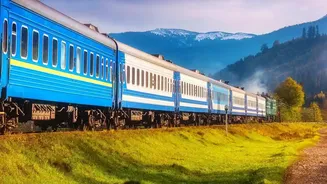
A New Daily Connection
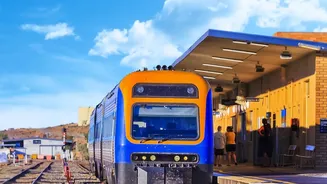
Indian Railways has approved a new daily express train connecting Mumbai's Chhatrapati Shivaji Maharaj Terminus with Sawantwadi Road in the southern Konkan region. This service is a significant boost for passengers, providing a much-needed additional
link for those travelling for tourism, business, and family visits. The train is expected to improve access to the region's many beaches, temples, and eco-tourism destinations, benefiting local economies and offering more convenience for daily commuters and students alike. While any new train adds capacity, its introduction highlights a persistent question for the millions who use this vital coastal link each year.
The Journey Time Conundrum
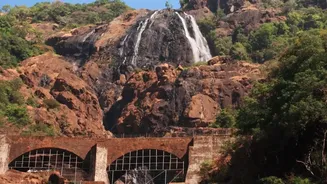
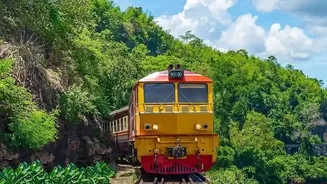
Despite the addition of modern services like the Vande Bharat and Tejas Express, which have brought down travel time for some, the overall journey on the Konkan route remains longer than many travellers expect. The fastest trains between Mumbai and Goa, for instance, still take around eight to nine hours, while many other services take between 11 and 14 hours to cover the distance. This is not a failure of the trains themselves, but a consequence of the very geography that makes the route one of the most beautiful in India. The line snakes through the challenging terrain of the Western Ghats, a landscape of mountains, rivers, and deep valleys.
The Single-Line Bottleneck
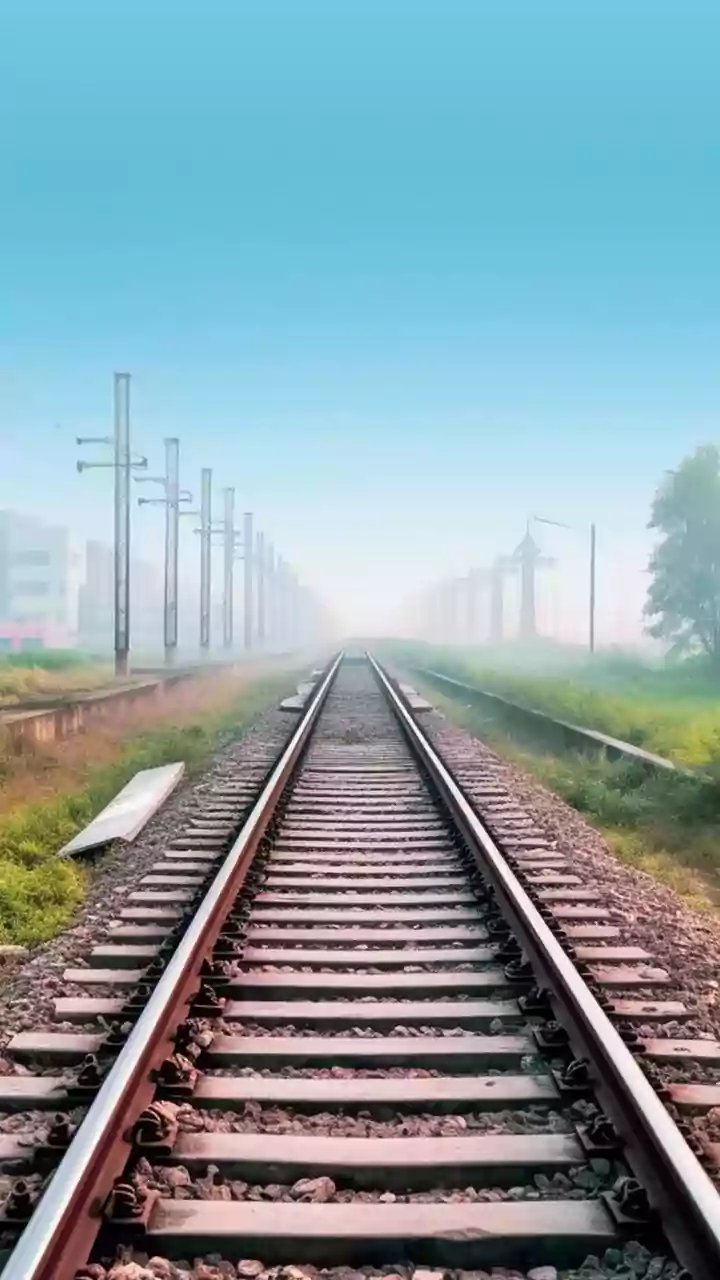
The primary cause for the extended journey times is that the majority of the 740-kilometre Konkan Railway is a single-line track. This means northbound and southbound trains must share the same set of rails. When a faster train needs to overtake a slower one, or when two trains travelling in opposite directions need to pass, one must pull into a loop line at a station and wait. This operational dance, happening dozens of times a day, adds significant time to every journey. The entire schedule is a finely balanced logistical puzzle, and a single delay can have a cascading effect on other services down the line.
The Promise of Track Doubling
The long-term solution is track doubling—laying a second parallel track to allow for simultaneous two-way traffic. The Konkan Railway Corporation (KRCL) and Indian Railways have identified this as a priority. Plans are underway to double key sections of the route, with a detailed project report being prepared for about 263 km of track. Some smaller stretches, such as between Roha and Veer, have already been doubled. However, the project is both complex and expensive due to the harsh terrain, which requires building new tunnels and viaducts. The work is being done in phases, or 'patch doubling', focusing on the most congested sections first.
An Engineering Marvel's Next Chapter
The Konkan Railway was an engineering marvel when it was completed in 1998, featuring over 2,000 bridges and 91 tunnels. That same engineering feat now presents challenges for upgrades. The region is prone to landslides, especially during the monsoon, which necessitates speed restrictions and intensive safety patrols. Building new infrastructure, such as twin tunnels in Goa to replace older ones, is a massive undertaking. The tracks themselves were designed to handle speeds of up to 160 km/h, but the single-line constraint and geographical challenges mean those speeds are rarely achieved over long distances.