

The Festive Fitness Shift
For years, the narrative around festive fitness has been one of extremes. It was either about maintaining a rigorous, hour-long gym schedule amidst the chaos of family gatherings and parties, or surrendering completely and promising to “start again in the New
Year.” This all-or-nothing mindset often leads to guilt and stress, taking the joy out of both celebrations and exercise. Now, a more realistic and sustainable approach is taking hold. The focus is shifting from intensity and duration to consistency and enjoyment. This practical makeover embraces shorter, more frequent bursts of activity and highlights the simple, accessible power of a good walk, making it easier than ever to stay active without missing out on the fun.
The Understated Power of Walking
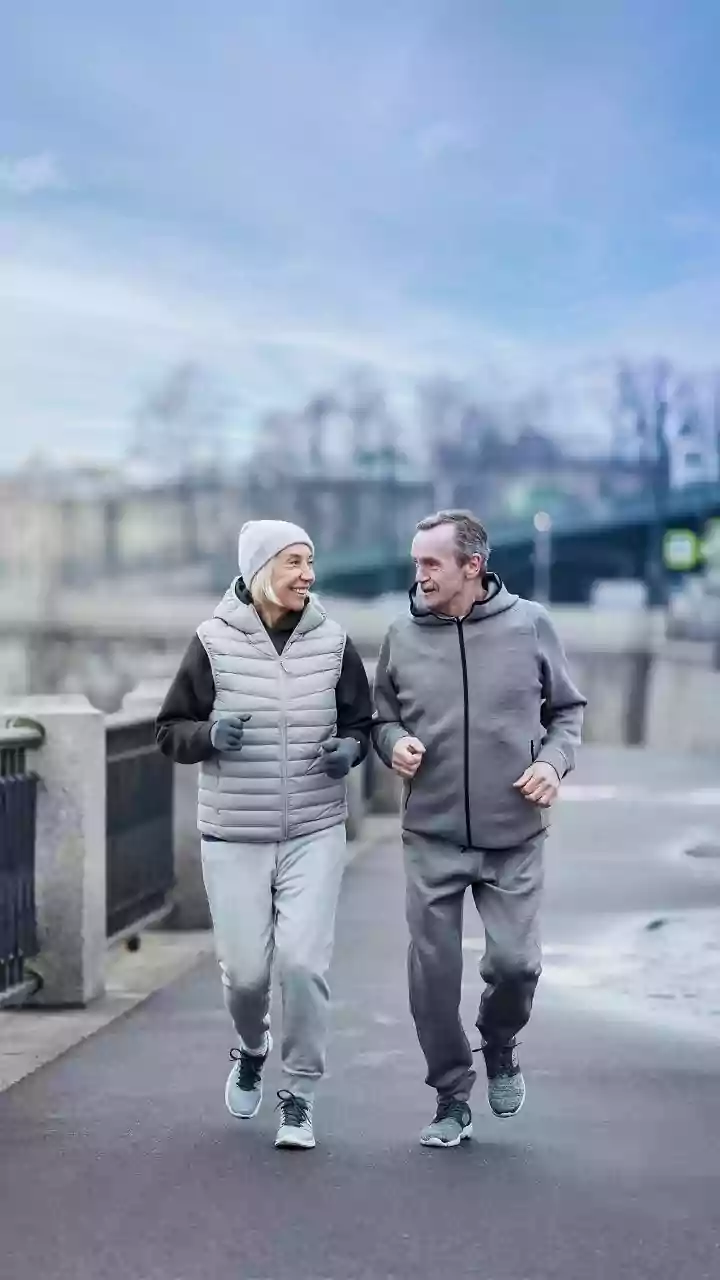
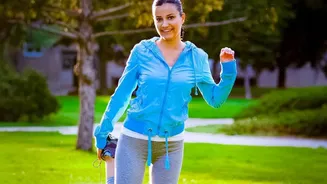
Walking is perhaps the most underrated form of exercise, yet it’s the perfect antidote to a busy festive schedule. It requires no special equipment, can be done anywhere, and fits seamlessly into your day. A brisk 15 to 30-minute walk after a heavy meal not only aids digestion but also helps manage blood sugar levels. You can make it a social activity by inviting family and friends to join you for a stroll to see festive lights, turning connection into a healthy habit. Beyond the physical benefits, such as improved cardiovascular health and weight management, walking is a powerful tool for mental wellness. A short walk can reduce stress, clear your mind, and provide a much-needed moment of calm during a hectic time.
The Magic of Micro-Workouts
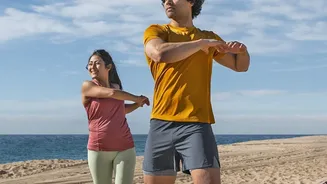
The idea that you need an hour for a workout to be effective is a myth. Research shows that shorter, intense sessions, often called 'micro-workouts' or 'exercise snacks', can be incredibly beneficial. These workouts typically last 10 to 20 minutes and can be as effective, if not more so, than one long session. High-Intensity Interval Training (HIIT), which involves short bursts of all-out effort followed by brief recovery periods, is a popular format. You can also create simple bodyweight circuits with exercises like squats, push-ups, and planks. The key is to work at a high intensity during the short window you have. Spreading these mini-sessions throughout the day—a quick circuit before breakfast, another before dinner—can keep your metabolism active and energy levels high.
Putting It All Into Practice
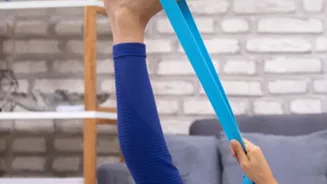
Integrating this new approach is about being flexible and creative. Schedule your activity just as you would a party or a family dinner. If you're travelling, pack a resistance band or a jump rope for quick hotel room workouts. Use holiday chores as a workout opportunity: do squats while decorating, or take the stairs instead of the lift while shopping. The goal is progress, not perfection. Listening to your body is crucial; some days a gentle walk is what's needed, while on other days you might have the energy for a quick HIIT session. The focus should be on maintaining a habit of movement, which is more sustainable than pushing for unrealistic goals during a busy period.
A Mental Health Boost
Perhaps the greatest benefit of this practical approach is the positive impact on your mental health. Exercise is a proven mood booster, releasing endorphins that reduce stress and anxiety. During the festive season, which can be as stressful as it is joyful, taking time for movement is a form of self-care. By letting go of the pressure to perform long, difficult workouts, you remove a major source of potential guilt. Embracing shorter, more manageable activities allows you to feel accomplished and in control of your well-being, leading to a happier and more relaxed festive experience.