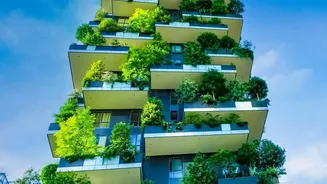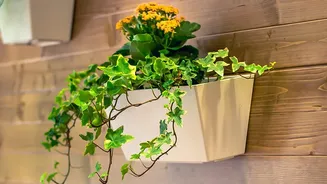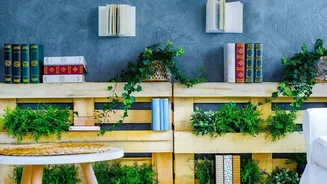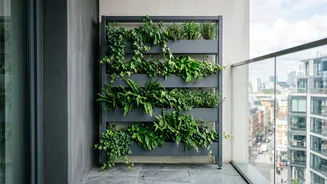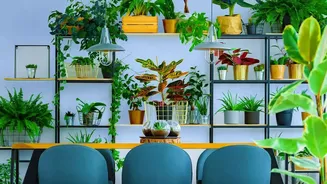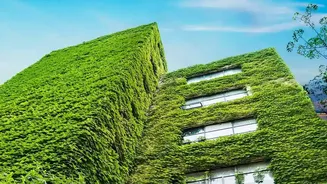





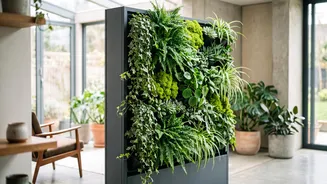
Vertical gardens are a stunning way to bring lush greenery to any space, but keeping them hydrated is a unique challenge. Unlike traditional pots, gravity and exposure mean watering requires a special approach to ensure every plant thrives.
The Challenge of Vertical Watering
Watering a vertical
garden isn't as simple as pointing a hose at it. Gravity is your biggest hurdle; water naturally wants to run down, which can leave plants at the top dry while those at the bottom become waterlogged. The limited amount of soil in most wall pockets or modules also means they dry out much faster than pots on the ground. This makes consistent, even moisture crucial for success and why a well-planned watering strategy is non-negotiable.
Manual Watering: Simple but Demanding
The most straightforward method is manual watering with a can or hose. This approach is inexpensive and works well for small, accessible indoor or outdoor walls. It also allows you to inspect your plants closely for any issues. However, it can be time-consuming and difficult to apply water evenly across a larger wall, often leading to inconsistent moisture levels. If you go on holiday, you'll need someone to take over, as manual watering requires daily commitment.
Drip Irrigation: Automated and Efficient
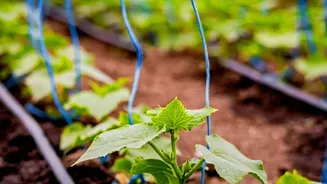
Drip irrigation is one of the most popular and efficient methods for watering living walls. These systems use a network of thin tubes and small emitters to deliver a slow, steady drip of water directly to the base of each plant. This method significantly reduces water waste from evaporation or runoff and keeps foliage dry, which helps prevent fungal diseases. Most systems connect to a main water line and can be automated with a timer, making them a 'set and forget' solution perfect for larger outdoor installations. Some advanced systems even allow you to create different watering zones for plants with different needs.
Self-Watering Systems: Low-Maintenance Innovation
Self_watering planters are designed with a built_in reservoir that holds a supply of water. Plants draw moisture up from this reservoir as needed through a wicking mechanism, which uses capillary action. This passive approach provides consistent hydration without pumps or electricity, preventing the stress of wet_dry cycles. A reservoir can keep plants hydrated for weeks, making it an excellent choice for indoor walls or for people who travel often. Many modular vertical systems incorporate this technology, allowing water from the top tier to trickle down and fill the reservoirs of the tiers below.
Recirculating and Hydroponic Systems
For large_scale or advanced setups, recirculating systems offer a sustainable solution. These are closed_loop systems where excess water is collected in a gutter or tank at the base and then pumped back up to the top to be used again. This method is highly water_efficient. Some of these systems are hydroponic, meaning they don't use soil. Instead, a nutrient_rich water solution is circulated, feeding the plants directly. While more complex to set up, hydroponic vertical gardens allow for precise control over nutrients, leading to robust and rapid growth.
Common Watering Mistakes to Avoid
The most common failure in vertical gardening is improper watering. Overwatering is just as dangerous as underwatering, leading to root rot and yellowing leaves. Always check the soil moisture before watering; it should feel slightly damp, not soggy. Another frequent issue is clogged emitters in drip systems, often caused by hard water deposits or debris. Regularly inspect and clean your system to ensure water is flowing freely. Finally, assuming all parts of the wall need the same amount of water is a mistake. Adjust your system or technique to give plants at the top, which dry out faster, a little extra attention.