







The Rhythm of Rain and Roots
There is a unique magic to the monsoon. The petrichor, the rhythmic drumming of rain on the roof, the world painted in lush, saturated greens. It’s a season that encourages introspection and quiet activity. This is where a kitchen garden finds its perfect
harmony. Tending to plants as the rain falls outside creates a pocket of peace in a busy life. The simple act of checking the soil, plucking a yellowed leaf, or watching a new shoot unfurl becomes a form of meditation. It’s a tangible connection to nature’s cycles, right in the middle of our urban lives. Unlike more demanding hobbies, gardening during the monsoon works with the weather, not against it. The air is humid, the clouds provide natural shade, and the frequent watering duty is often handled for you. It’s a low-pressure activity that provides a gentle, grounding routine when the world outside can feel chaotic.
A Harvest of Usefulness
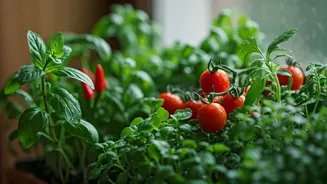
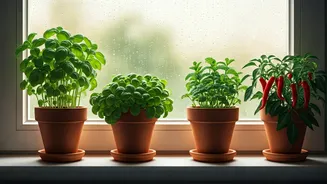
Beyond the feeling of calm, a monsoon kitchen garden is incredibly useful. The joy of snipping fresh mint for your chai or plucking a handful of curry leaves for a tadka is deeply satisfying. It transforms your relationship with food, making you a participant in its journey from seed to plate. This is the perfect season for beginners because many essential Indian herbs and vegetables thrive in these conditions. Leafy greens like spinach (palak), amaranth (chaulai), and fenugreek (methi) grow quickly in the moist weather. Essential herbs like mint (pudina), coriander (dhania), and basil (tulsi) flourish in pots. If you have a bit more space, you can easily grow vegetables like chillies, brinjal, okra (bhindi), and cherry tomatoes. These don’t just add flavour to your meals; they reduce food waste, cut down on grocery bills, and guarantee that what you’re eating is as fresh as it gets.
Getting Started: A Beginner's Guide
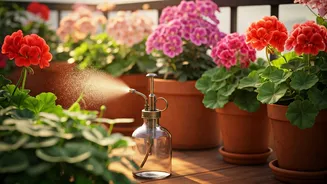
Starting your monsoon garden doesn't require a large space or a hefty budget. A few pots on a balcony, a sunny windowsill, or a small patch on a terrace is all you need. Begin by sourcing your containers—terracotta pots are excellent as they are porous and prevent waterlogging, a common monsoon issue. You can also upcycle old buckets or plastic containers, as long as you drill drainage holes in the bottom. For soil, a mix of regular garden soil, cocopeat (which retains moisture but keeps the mixture light), and compost or vermicompost provides the perfect nutrient-rich base for your plants. You can buy saplings from a local nursery to get a head start, or you can grow from seeds. When placing your pots, ensure they get at least 4-5 hours of sunlight. While the monsoon provides plenty of water, be mindful of overwatering. Check the soil with your finger; if the top inch feels dry, it’s time to water.
More Than Just Vegetables
The true gift of a kitchen garden is how it nurtures you in return. The daily ritual of caring for something alive fosters a sense of responsibility and purpose. Watching a tiny seed sprout and grow into a plant that bears food is a powerful lesson in patience and resilience. In a world of instant gratification, gardening teaches us the value of slow, steady progress. It’s an activity that engages all the senses: the feel of the soil, the smell of damp earth, the sight of vibrant green leaves against a grey sky. This sensory engagement is a powerful antidote to digital fatigue and the stress of daily life. It pulls you into the present moment, offering a screen-free hobby that is both productive and profoundly peaceful. The simple act of growing your own food reconnects you to the seasons and fosters a deeper appreciation for the world around you.