


Thinking Beyond Flavour
When we cook, we naturally focus on flavour. But texture is the unsung hero of a satisfying meal. It’s the crunch in a fresh salad, the creaminess of a dal, or the chewiness of perfectly cooked paneer. When a key ingredient is missing, we often scramble
for a flavour match, but the result can be disappointing if the texture is wrong. Thinking in terms of texture categories can unlock more creative and successful substitutions. By understanding what an ingredient does in a dish—whether it provides creaminess, crunch, or heft—you can find a replacement that plays the same structural role, ensuring your final dish is a success.
The Creamy and Smooth
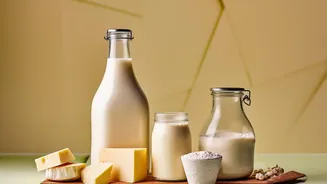
This category is all about luxurious, smooth mouthfeel. These ingredients often form the base of sauces, soups, and dips. When your recipe calls for something creamy that you don't have, consider what else can provide that richness. If you’re out of heavy cream for a pasta sauce, full-fat coconut milk or a purée of soaked cashews can provide a similar rich consistency. For a creamy soup base, instead of cream, try blending in a boiled potato or some white beans. Plain Greek yogurt or even silken tofu blended until smooth can replace sour cream or mayonnaise in many dips and dressings, offering a tangy and thick alternative. The goal is to mimic that velvety texture, which these substitutes do beautifully.
The Crisp and Crunchy
Crunch adds excitement and contrast to a dish. It’s the element that keeps our palate engaged. If a recipe calls for breadcrumbs for a crispy topping on a baked dish and you're out, your pantry likely holds several great alternatives. Crushed cornflakes, toasted and chopped nuts, or even savoury biscuits pulsed in a blender work wonders. For adding a crunchy element to salads or snacks, don't just think of croutons. Roasted chickpeas, toasted seeds (pumpkin, sunflower), fried onions, or even crushed papad can provide that satisfying bite. Making your own kale or sweet potato chips is another way to add a healthy crunch.
The Chewy and Substantial
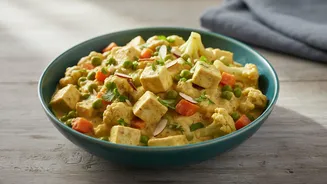
Chewy ingredients provide a satisfying resistance and make a dish feel more robust and filling. This is often the role played by proteins or dense vegetables. When a recipe calls for a specific meat or vegetable and you need a substitute, think about what will offer a similar 'bite'. For example, in a stir-fry, if you don't have chicken, firm tofu or paneer can offer a similarly chewy and substantial element. Large, meaty mushrooms like portobellos are fantastic for replacing meat in burgers or gravies due to their dense texture. Dried fruits like raisins, apricots, or dates add chewiness to baked goods, salads, and grain dishes. Even certain grains, like barley or farro, can add a wonderful chew that makes a simple soup or salad feel like a complete meal.
The Light and Airy
Sometimes, a dish is defined by its lightness. This texture is about incorporating air to create a delicate and fluffy result. Think about fluffy idlis, whipped cream, or a light-as-air mousse. If a recipe calls for whipped egg whites to provide lift, as in a meringue or soufflé, the liquid from a can of chickpeas, known as aquafaba, can be whipped to a similar consistency. For a lighter version of mashed potatoes, puréed cauliflower can be whipped to a surprisingly airy texture. These substitutions allow you to achieve that delicate, melt-in-your-mouth quality even when you’re missing the conventional ingredient.