

Seeing the Invisible Dawn
To see the beginning of everything, you need a special kind of eye. The universe has been expanding for about 13.8 billion years. Light from the most ancient galaxies has been traveling for so long that its wavelength gets stretched out, shifting from visible
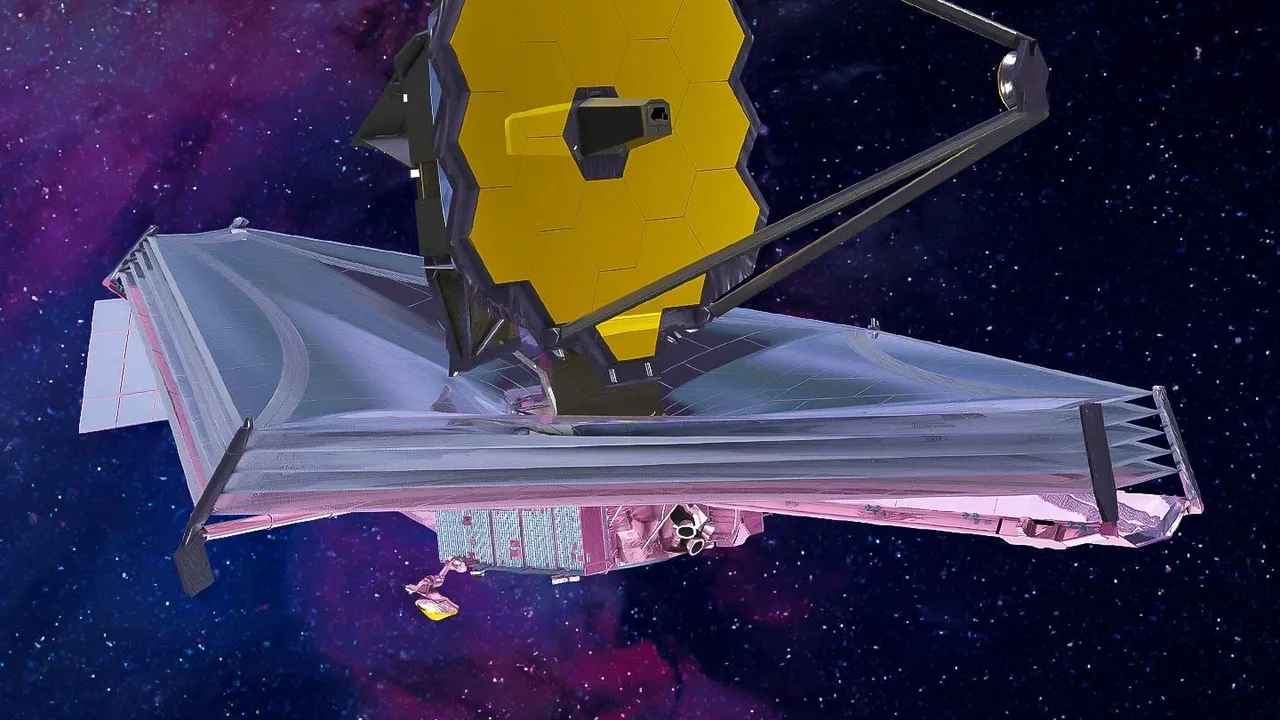
light into the infrared spectrum. This is where the James Webb Space Telescope (JWST) excels. By capturing this faint, ancient infrared light, the JWST can see galaxies as they were when the universe was just a few hundred million years old—a mere fraction of its current age. These observations, known as "deep fields," stare at a tiny, seemingly empty patch of sky for hours, slowly collecting the faint glow from the cosmic dawn. What they reveal is a sliver of the universe teeming with thousands of previously unseen galaxies.
A Universe in a Hurry
For a long time, the prevailing theory was that the first galaxies started small and grew slowly over billions of years through steady star formation and mergers. However, the first deep field images from the JWST challenged this picture dramatically. Astronomers were surprised to find that these early galaxies were substantially brighter and more mature than predicted. The key finding is that these primordial galaxies were forming stars at a furious pace. This phenomenon, known as a "starburst," sees a galaxy produce stars at a rate hundreds or even thousands of times greater than our own Milky Way does today. These early galaxies, though often small, were incredibly efficient at converting their gas reserves into new stars, punching well above their weight in lighting up the early cosmos.
The 'Burstiness' of Creation
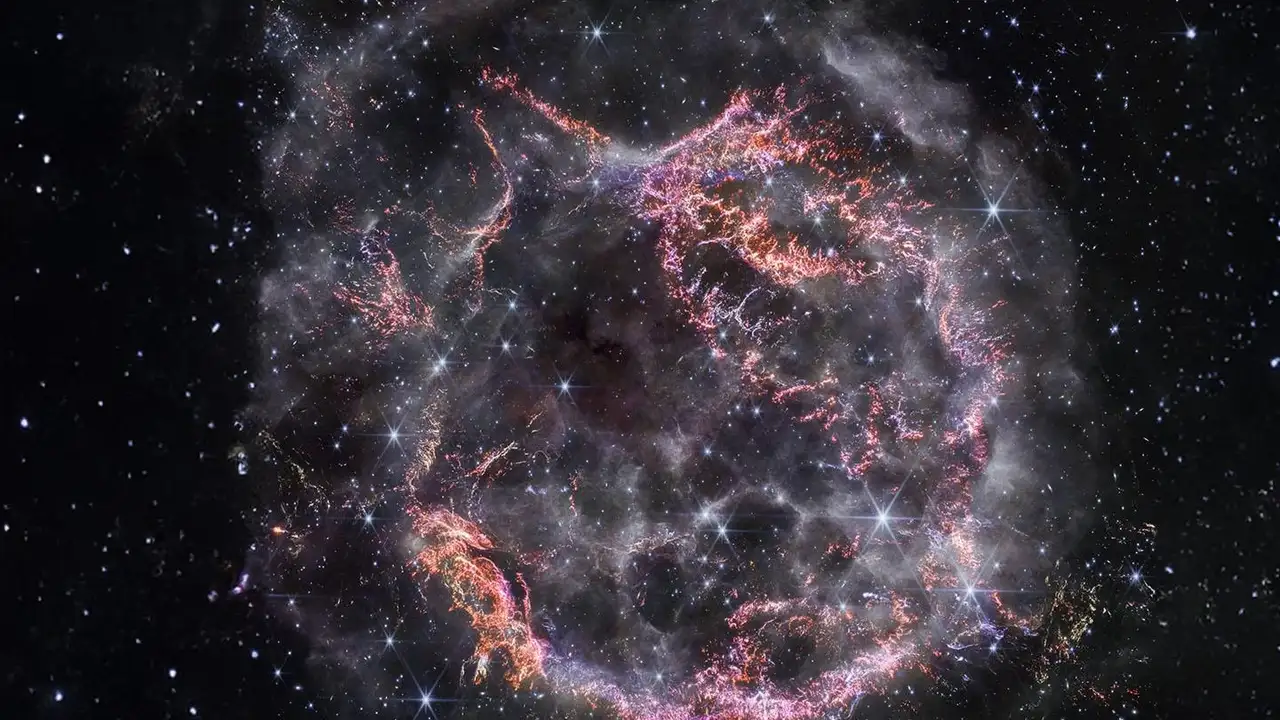
Instead of a smooth, continuous process, star formation in the early universe now appears to have been "bursty.” New research and simulations suggest these young, low-mass galaxies experienced intense, short-lived episodes of star creation followed by quieter periods. Scientists believe a cycle may have been at play: a massive burst of stars forms, and a few million years later, the most massive of these stars explode as supernovae. These explosions can blast gas out of the small galaxy, temporarily halting star formation. Eventually, the galaxy's gravity pulls the gas back in, and the cycle begins anew. This bursty behaviour helps explain why these ancient galaxies appear so unexpectedly bright; we are catching them during the flash of a star-forming frenzy.
Rewriting Cosmic History
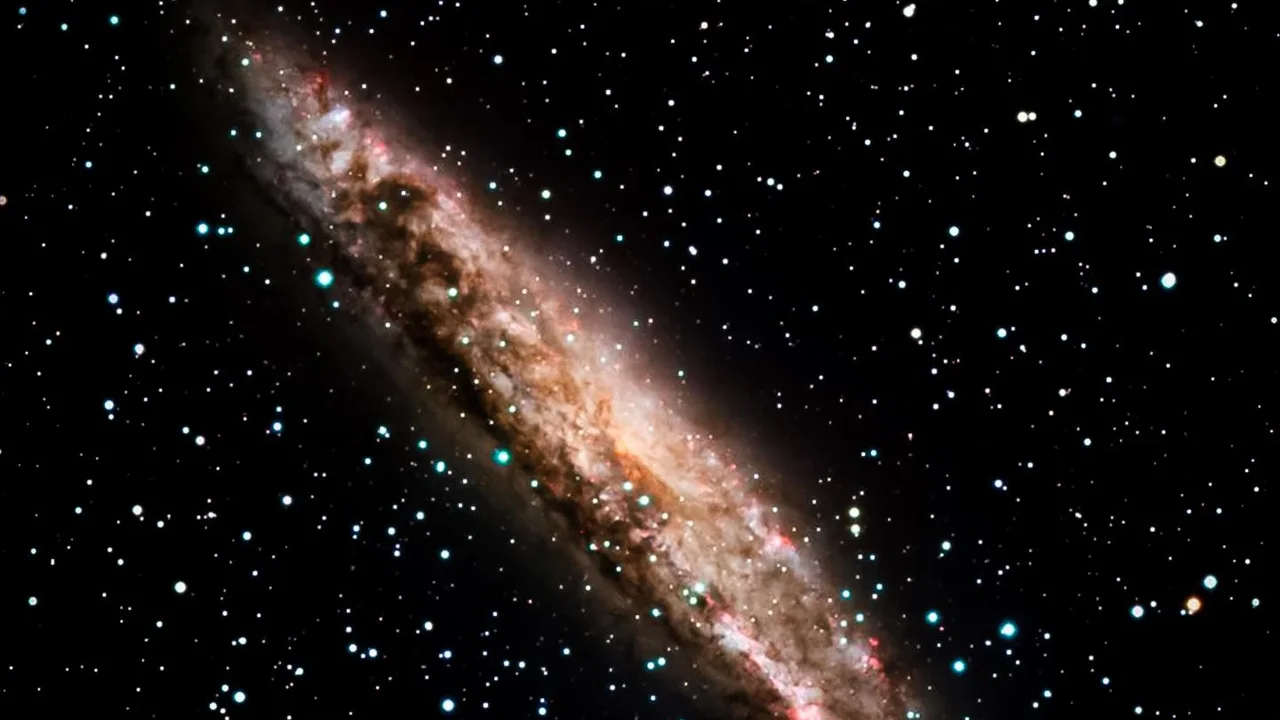
These findings are forcing astronomers to revise their models of galaxy evolution. The presence of so many massive, hot stars in the early universe may also solve another long-standing cosmic mystery: the Epoch of Reionization. This was a transformative period when the opaque hydrogen gas filling the universe was zapped by powerful ultraviolet light, making the cosmos transparent as it is today. The intense ultraviolet radiation from these numerous starburst galaxies could have been the primary engine driving this cosmic makeover. The discovery that galaxies could grow so rapidly, so early, raises new questions about what triggered these bursts and how they eventually settled into the more stable, orderly galaxies we see in the modern universe, like our own spiral-shaped Milky Way.