

Gopalkala: A Savoury Gift from Maharashtra
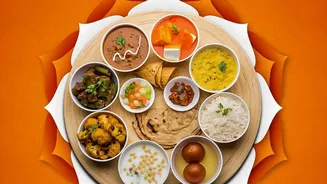
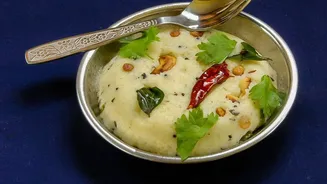
While most festive offerings lean sweet, Maharashtra’s Gopalkala is a refreshing savoury preparation that holds deep cultural significance. It is especially associated with the Dahi Handi celebrations that follow Janmashtami. The dish is a simple, no-cook
mixture of flattened rice (poha), yoghurt, fresh cucumber, grated coconut, and a tempering of ghee, cumin seeds, and green chillies. Sometimes, fruits like pomegranate or soaked dals are added. The name itself invokes the spirit of Lord Krishna's childhood; 'Gopal' refers to Krishna, and 'kala' means to mix. This dish represents the meal Krishna would share with his cowherd friends, mixing whatever food they all brought together. It’s a humble, delicious, and deeply symbolic dish that offers a beautiful contrast to richer sweets.
Taler Bora: Bengal's Prized Palm Fritters
In Bengal and other parts of Eastern India, the arrival of Janmashtami coincides with the season of the Asian palmyra palm, or 'Tal'. This gives rise to a treasured delicacy known as Taler Bora. These are sweet, deep-fried fritters made from the fragrant, golden pulp of the ripe palm fruit. The thick pulp is mixed with rice flour, semolina, grated coconut, and sweetened with jaggery or sugar to form a thick batter. Small dollops are then fried until they are dark brown and crisp on the outside, yet soft and spongy within. The unique, slightly bitter-sweet taste of the palm fruit makes these fritters an unforgettable festive treat, central to Janmashtami and the subsequent Nandotsav celebrations in the region.
Seedai: The Crunchy Jewels of Tamil Nadu
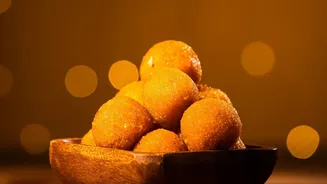
Travel south to Tamil Nadu, and for Gokulashtami, as the festival is known there, you'll find homes preparing tiny, crunchy balls called Seedai. These are quintessential offerings made from rice flour and come in two primary forms. Uppu Seedai is the savoury version, seasoned with salt, cumin, and asafoetida. Its sweet counterpart, Vella Seedai, incorporates jaggery (vellam) and cardamom, offering a delightful contrast. The process involves carefully making a dough, rolling it into minuscule balls, and deep-frying them to perfection. The act of making Seedai is a cherished tradition, with the resulting crunchy snacks being a favourite of children and adults alike, embodying the playful spirit of the festival.
Makhana Paag: A Brittle Twist on a Fasting Favourite
Fox nuts, or makhana, are a popular fasting ingredient, often found in kheer or simply roasted. Makhana Paag, however, takes this humble ingredient to a new level of indulgence. Popular in North Indian states like Uttar Pradesh and Bihar, this sweet is made by frying makhana in ghee until they are crisp. A sugar syrup is cooked to a hard-ball consistency, and the roasted makhana, along with grated coconut and nuts, are folded in. The mixture is then spread onto a greased plate and allowed to set, after which it’s broken into brittle-like pieces. The result is a delightfully crunchy, crystalline sweet that offers a different texture and experience from the more common milk-based desserts.
Shakarkandi Halwa: A Comforting Fast-Friendly Sweet
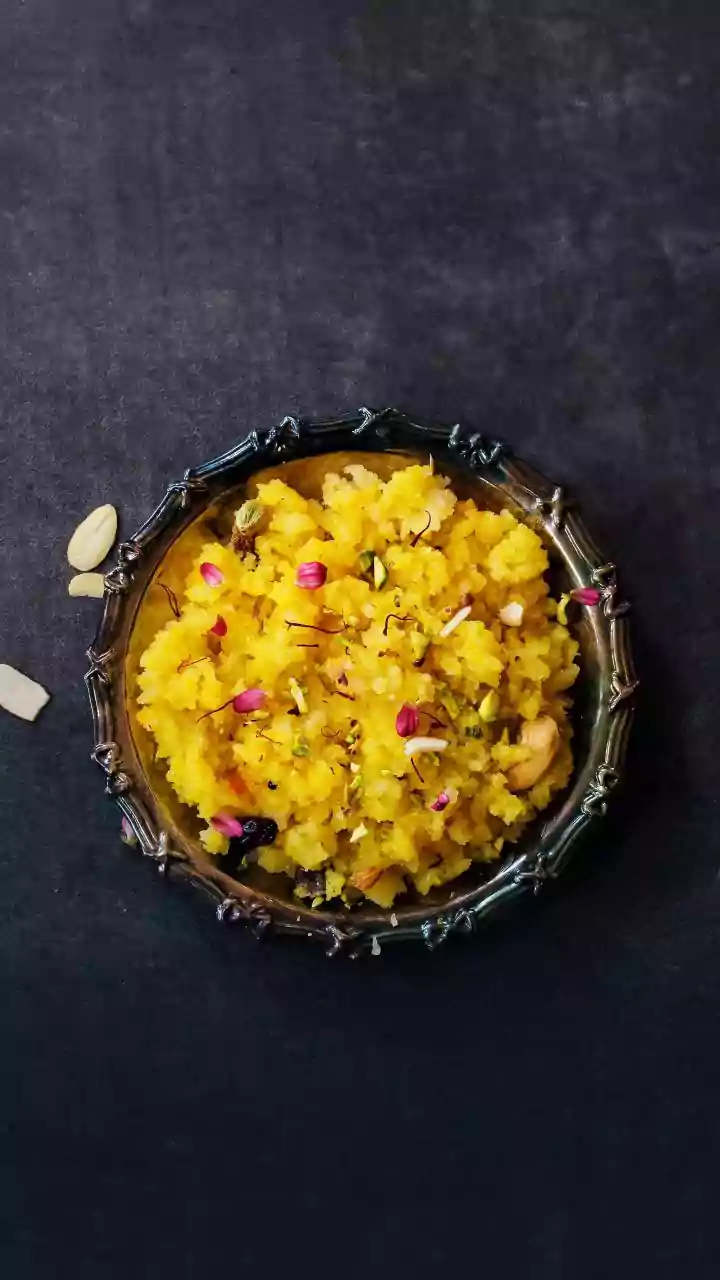
For those observing a fast, variety can sometimes be a challenge. Shakarkandi Halwa, or sweet potato halwa, is a wonderful alternative to the usual Sabudana Kheer or fruit chaat. This comforting dessert is made by grating boiled sweet potatoes and slow-cooking them in ghee until their natural sweetness intensifies. Milk or khoya, sugar, and a generous pinch of cardamom powder are then added, and the mixture is cooked until it forms a thick, luscious pudding. Garnished with almonds and pistachios, this halwa is not only permissible for most fasts but is also a wholesome and deeply satisfying sweet that feels both traditional and novel.