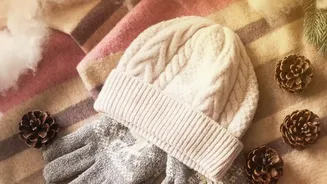






As seasons change, it's time to store your treasured woollens. Proper storage is the key to ensuring your favourite sweaters and shawls emerge next winter just as cosy and beautiful as you remember, free from damage, dust, and musty smells.
Why Dampness and Dust are Wool's Enemies
Before diving
into storage methods, it’s important to understand what you're fighting against. Wool is a natural protein fibre, which makes it uniquely vulnerable. Dampness is a major threat because wool fibres can absorb up to 30% of their weight in moisture without feeling wet to the touch. This absorbed moisture, if left in a poorly ventilated space, creates the perfect environment for mould and mildew, which can stain fabric and cause a persistent musty odour. Dust isn't just unsightly; it can contain organic matter that attracts pests like clothes moths. These insects lay their eggs on wool, and their larvae feast on the protein fibres, leaving behind small, irreparable holes.
The Golden Rule: Clean Before You Store
The most critical step in wool care happens before any item goes into a box. Always clean your woollens before long-term storage. Invisible stains from food, body oils, and perspiration are a primary attractant for pests. What might be an unnoticeable spot now can become a feast for moth larvae over the summer. Follow the garment's care label carefully. Many wool items can be hand-washed in lukewarm water with a pH-neutral, wool-specific detergent. Avoid regular detergents with enzymes, as they can break down the wool's protein fibres. After washing, gently squeeze out excess water—never wring or twist the fabric. Lay the garment flat on a towel, roll it up to absorb more moisture, and then lay it flat on a drying rack away from direct heat or sunlight to dry completely. Ensuring the garment is 100% dry is crucial to prevent mildew.
Choose Breathable Storage Containers
The right container can make all the difference. Wool needs to breathe to prevent moisture buildup, so avoid airtight plastic bins or vacuum-sealed bags for long-term storage. While vacuum bags save space, they can compress and damage the natural loft of wool fibres, and any trapped moisture can lead to problems. The best options are breathable containers that protect from dust while allowing for air circulation. Look for canvas or cotton storage boxes, or acid-free archival boxes for particularly valuable or heirloom pieces. These materials allow air to pass through, keeping the wool fresh. Never store wool in the plastic bags from the dry cleaner, as they can trap residual moisture and chemicals, inviting mildew.
Fold, Don't Hang
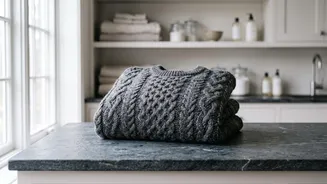
Gravity is not a friend to heavy knitwear. Hanging wool sweaters, especially heavy ones, will cause them to stretch out of shape, leaving you with distorted shoulders and a sagging neckline. The proper technique is to fold your woollens gently. To minimise creasing, you can place acid-free tissue paper between the folds. Stack the folded items loosely in your chosen container, ensuring you don’t overpack. Leaving some space allows air to circulate between garments and prevents the fibres from being crushed, which helps them retain their natural shape and resilience.
Find a Cool, Dark, and Dry Location
Where you store your wool is just as important as how you store it. The ideal environment is cool, dark, dry, and clean. Light can cause colours to fade, while heat can make wool fibres brittle over time. Avoid places with temperature and humidity fluctuations, like basements, attics, or garages. A closet in your main living area, away from direct sunlight and exterior walls, is often the best choice. Before placing your storage containers, give the shelves a good cleaning to remove any dust.
Use Natural Pest Repellents
Instead of using traditional mothballs, which contain harsh chemicals and leave a hardto remove odour, opt for natural repellents. Cedar and lavender are excellent choices because their scents are pleasant to humans but detested by moths. You can use cedar blocks, rings, or sachets filled with dried lavender flowers. Place these items near your clothes, but not in direct contact with them, as the oils could potentially stain lightcoloured fabrics. Remember to refresh the scent every few months by lightly sanding the cedar wood or adding a few drops of essential oil.