





A Tale of Two Journeys
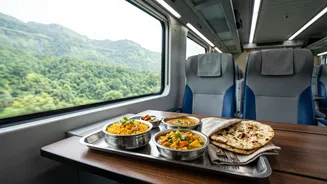
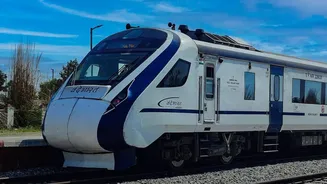
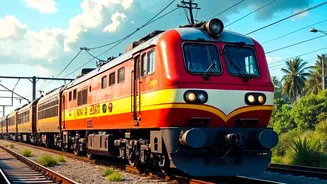
The Bengaluru-Goa Vande Bharat Express, celebrated for its scenic route through the Western Ghats, recently made headlines for its food service. During its inaugural run, passengers and food vloggers shared positive reviews online, praising the meals
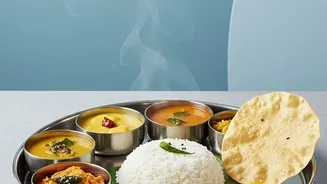
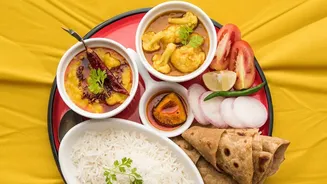
provided by the popular South Indian restaurant chain Adyar Ananda Bhavan, also known as A2B. One vlogger highlighted a multi-item meal that included paneer curry, rice, and even a traditional sweet, noting fellow passengers were pleased with the quality. This initial praise, however, has been contrasted by more recent passenger reports questioning the consistency and value of the meals served on what is positioned as a premium train service.
Who is Adyar Ananda Bhavan (A2B)?
For many in India, Adyar Ananda Bhavan is a household name. A2B is a major chain of vegetarian restaurants and sweet shops with a history stretching back decades. Known for its adherence to authentic South Indian recipes, the brand has built a reputation on quality and hygiene, expanding from its origins in Chennai to locations across India and internationally. The decision by IRCTC to partner with established brands like A2B for its new-generation trains was part of a broader strategy to improve onboard catering by roping in professional players from the food and beverage industry. This makes any report of lapses in quality a significant concern for both the caterer's brand and the Railways' service promise.
The Core of the Complaint
While initial journeys garnered praise, subsequent reports from passengers on various Vande Bharat routes have created a more complex picture. Complaints have ranged from food being served cold or stale to portion sizes not justifying the cost, which is often included in the ticket fare. Specific incidents on other lines, such as oily food on the Vizag-Hyderabad route or allegations of expired products, have previously gone viral, prompting quick responses from railway authorities. These recurring issues highlight a structural challenge: maintaining uniform quality across a vast network where meals are prepared in base kitchens and loaded onto trains with short turnaround times. The expectation for Vande Bharat is a premium experience, and for many passengers, the food is an integral part of that.
How Railways and IRCTC Handle Complaints
Indian Railways and the Indian Railway Catering and Tourism Corporation (IRCTC) have a multi-layered system for addressing passenger grievances. When a complaint is lodged, either through social media or official channels like the 'Rail Madad' portal, it typically triggers a response. In past instances involving food quality on Vande Bharat trains, IRCTC has often issued public statements, launched internal inquiries, and, in serious cases, imposed hefty fines on service providers. For example, after a significant complaint on the Patna-Tatanagar Vande Bharat, IRCTC was fined ₹10 lakh and the vendor faced a ₹50 lakh penalty and contract termination. This demonstrates a zero-tolerance policy for major lapses, though IRCTC also notes that its kitchens are under AI-enabled surveillance to ensure hygiene.
What This Means for Passengers
For travellers, this situation underscores the importance of being an informed consumer. Catering on Vande Bharat trains is an optional service, meaning passengers can opt out during booking if they prefer to make their own arrangements. However, for those who choose the convenience of onboard meals, there are clear avenues for recourse if the service is unsatisfactory. Documenting the issue with photos or videos and noting the coach and seat number is crucial. Complaints can be filed directly on the Rail Madad app or website, or by tagging official handles like IRCTC and the Ministry of Railways on social media platforms. As past events show, passenger feedback is a powerful tool that has led to tangible actions, including changes in vendors and stricter enforcement of quality standards.