






To truly understand Chhattisgarh, you must taste it. Beyond its ancient temples and stunning waterfalls, the state’s soul is found on its plate. This four-day journey is designed around its flavours, from city snacks to tribal feasts.
Day 1: Arrival and Raipur’s Urban Flavours
Your culinary adventure
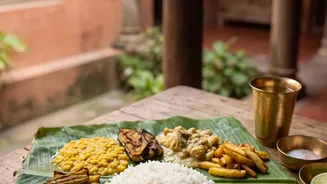
begins in Raipur, the state's bustling capital. After settling in, skip the hotel menu and dive straight into the local food scene. Start your morning like a true local with a plate of poha topped with sev, often paired with sweet, hot jalebis from a street-side vendor. For lunch, seek out a restaurant serving a traditional Chhattisgarhi thali. This platter offers a comprehensive introduction, featuring staples like steamed rice, tangy Dubki Kadhi (gram flour dumplings in a yoghurt-based curry), and various 'bhajis' or leafy green preparations. In the evening, explore the street food stalls around popular areas like Sadar Bazar or Telibandha Talab. Don't miss out on Bhajia (fritters, often with onion or chilli) and Chila, a savoury pancake made from rice batter that is a beloved local staple. This first day is about acquainting your palate with the foundational flavours of the region, which is heavily influenced by rice, lentils, and fresh produce.
Day 2: A Culinary Journey to Tribal Bastar
On day two, travel south to Jagdalpur, the gateway to the tribal heartland of Bastar. The cuisine here is distinct, deeply connected to the forest and its bounty. A trip to Bastar is incomplete without experiencing its unique dishes. One of the most talked-about delicacies is 'Chaprah', a pungent and tangy chutney made from red ants and their eggs. While it may sound intimidating, it is a local delicacy prized for its unique taste and nutritional value. For a less adventurous but equally authentic meal, try Aamat, a sour vegetable stew traditionally cooked in bamboo shoots, which imparts a subtle, earthy aroma. Another must-try is Faraa, steamed rice flour dumplings that are a staple snack in the region. Pair your meals with a visit to the majestic Chitrakote Waterfalls, often called the 'Niagara of India'. Dining in Bastar is an immersion into a culture that lives in harmony with nature, and its food is a direct reflection of this relationship.
Day 3: Rustic Meals and Village Traditions
Dedicate the third day to exploring the rustic simplicity of village life and its food. The core of Chhattisgarhi cuisine is found in its rural kitchens. Many dishes are steamed or cooked with minimal oil, focusing on natural flavours. Muthia are steamed dumplings made from seasoned rice batter, a healthy and popular breakfast dish. Another wholesome preparation is Bafauri, which are steamed dumplings made from chana dal paste. You'll also encounter various types of bread made from rice flour, such as the hearty Angakar Roti, traditionally cooked over coals for a smoky flavour, and Chousela, a type of deep-fried rice puri. A quintessential rural meal might consist of Bore Baasi, which is leftover cooked rice soaked overnight in water or buttermilk and eaten the next morning with pickles and raw onion—a simple, cooling, and surprisingly nourishing meal, especially popular with farmers. This experience offers a glimpse into the sustainable and resourceful food culture that has been passed down through generations.
Day 4: Sweet Farewells and Departure
On your final day, before heading back to Raipur for your departure, indulge in the sweeter side of Chhattisgarhi cuisine. The state has a variety of traditional sweets, many of which are made with rice flour and jaggery. Look for Khurmi, a crispy, sweet snack made from wheat flour and jaggery, perfect for carrying on your journey home. Another popular sweet is Tilgur, also known as Til Ke Ladoo, made from roasted sesame seeds and jaggery, especially common during festivals. Dehrori, a festive dessert of fried, fermented rice dumplings soaked in sugar syrup, is another delicacy worth trying if you can find it. A final Chhattisgarhi meal could be a comforting plate of Dubki Kadhi or a simple Bara, a savoury snack made from fermented lentils, which is a must-have at local celebrations. This last taste will serve as a sweet reminder of the rich and diverse culinary landscape you have explored.