





The Power Contained in Beets
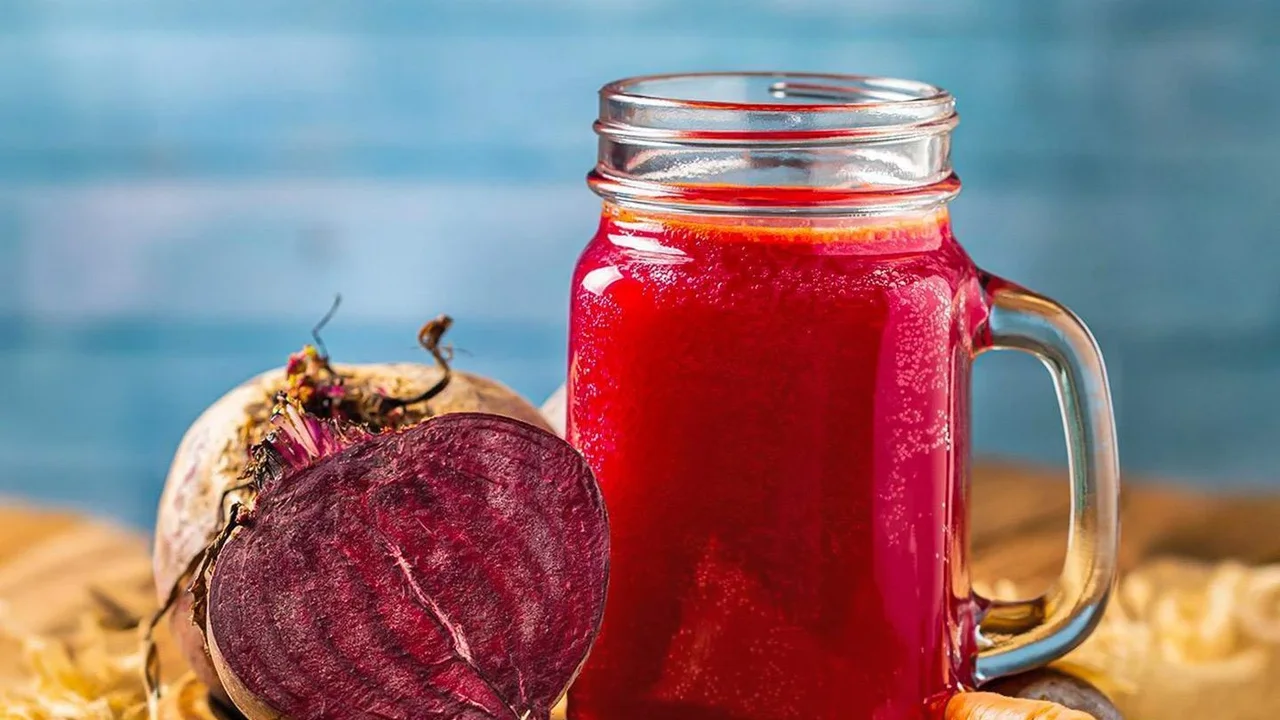
For years, athletes have been harnessing the power of beetroot, not just as a nutrient-rich vegetable, but as a potent performance enhancer. The secret lies in its high concentration of inorganic nitrates. When you consume beetroot, whether as a juice,
a powder, or an extract, your body converts these dietary nitrates into a fascinating molecule called nitric oxide. This process is the key to the performance benefits that have made beetroot supplements a staple for runners, cyclists, and other endurance athletes seeking a natural and legal advantage. While found in other leafy greens like spinach and rocket, beetroot has become the most popular and well-researched source for nitrate supplementation in sports.
How Nitrates Fuel Your Sprint
So, how exactly does this conversion from nitrate to nitric oxide help you run faster? Nitric oxide is a powerful vasodilator, meaning it helps to relax and widen your blood vessels. This widening increases blood flow throughout your body, allowing more oxygen and nutrients to be delivered to your hardworking muscles. During an intense activity like sprinting, your muscles are screaming for oxygen. Improved blood flow means better oxygen delivery, which can make your muscles more efficient. Studies have shown that this enhanced efficiency reduces the oxygen cost of exercise. Essentially, your muscles can do the same amount of work, or even more, while using less energy. Recent research suggests these benefits are particularly relevant for high-power, short-duration activities like single and repeated sprints, making it highly applicable to team sports and track athletes.
The Unpleasant Downside of Beetroot
For all its benefits, beetroot supplementation has a well-known, unpleasant drawback for a significant number of athletes: gastrointestinal (GI) distress. Symptoms like bloating, cramping, and an urgent need to find a bathroom can derail a workout or, worse, a competition. Interestingly, this discomfort isn't usually caused by the nitrates themselves. Instead, the primary culprit is often the high fiber content found in whole beets and less-refined beet powders. During intense exercise, blood flow is diverted away from the digestive system to the muscles, reducing the gut's ability to process fiber and sugars, which can lead to fermentation, gas, and cramping. Even concentrated juices and shots can contain enough fermentable sugars (FODMAPs) to trigger issues in sensitive individuals.
The 'Micro-Dosing' Solution
This brings us to the concept of micro-dosing. While the term is often associated with other substances, in the context of training and nutrition it refers to taking smaller, more frequent amounts of a supplement to achieve a desired physiological effect while minimizing side effects or fatigue. Applied to beetroot nitrates, micro-dosing isn't about taking a sub-perceptual dose, but rather about splitting a full effective daily dose into smaller portions. The goal is to keep plasma nitrate levels elevated consistently without overwhelming the digestive system with a single large bolus of juice or powder. By using a refined, low-fiber beetroot extract, an athlete can consume the target amount of nitrates—typically 300-600mg—spread over the day, maintaining the benefits for blood flow and muscle function without triggering GI distress.
Putting It Into Practice
A practical micro-dosing approach might involve taking a smaller dose of a high-quality, standardized beetroot extract powder or capsule in the morning and another in the afternoon, rather than one large dose 2-3 hours before a workout. Consistency is key, as studies suggest that daily nitrate intake over several days can be more effective than a single acute dose, potentially by building up nitrate stores within the muscles themselves. It is crucial to choose a product that clearly states its nitrate content, as this can vary dramatically between brands. Starting with a lower overall daily dose and gradually increasing it allows you to find your own minimal effective dose that provides a performance boost without any gut issues. This 'less is more, more often' approach could be the key for sensitive athletes to finally unlock beetroot's full potential.