




The Aroma of a Simple Morning
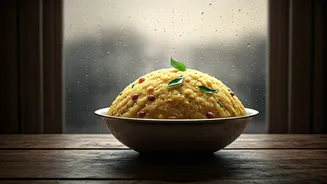
Close your eyes and think of a classic Indian breakfast. For millions, the scent that comes to mind is the splutter of mustard seeds and urad dal in hot oil, followed by the fragrance of curry leaves and sautéed onions. This is the precursor to upma,
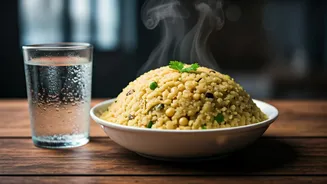
a dish that signifies comfort before it even touches your lips. It’s the anti-gourmet hero, a testament to the idea that the most satisfying meals are often the simplest. Unlike complex weekend brunches, upma doesn’t demand hours of preparation. It’s a soft, warm hug in a bowl, a gentle start to the day that feels both nourishing and deeply familiar. This immediate sense of nostalgia and ease is its first superpower; it’s the food equivalent of a well-worn sweater on a cool morning.
A Breakfast Built for Speed and Pantry Staples
The true heroism of upma lies in its practicality. It's the undisputed champion of the 15-minute breakfast. On a chaotic weekday morning, when time is a luxury you can’t afford, upma comes to the rescue. The core ingredients—semolina (rava/sooji), onions, and a few common spices—are pantry staples in most Indian households. There’s no need for a special trip to the grocery store or elaborate meal prep. This accessibility makes it a reliable go-to for busy parents packing tiffin boxes, students rushing to class, and professionals needing a quick, wholesome meal before heading out. It’s a dish born from convenience, proving that a satisfying breakfast doesn’t need to be complicated. In a world of fleeting food trends, the steadfast, dependable nature of upma is truly heroic.
A Canvas for Kitchen Creativity
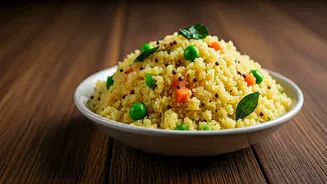
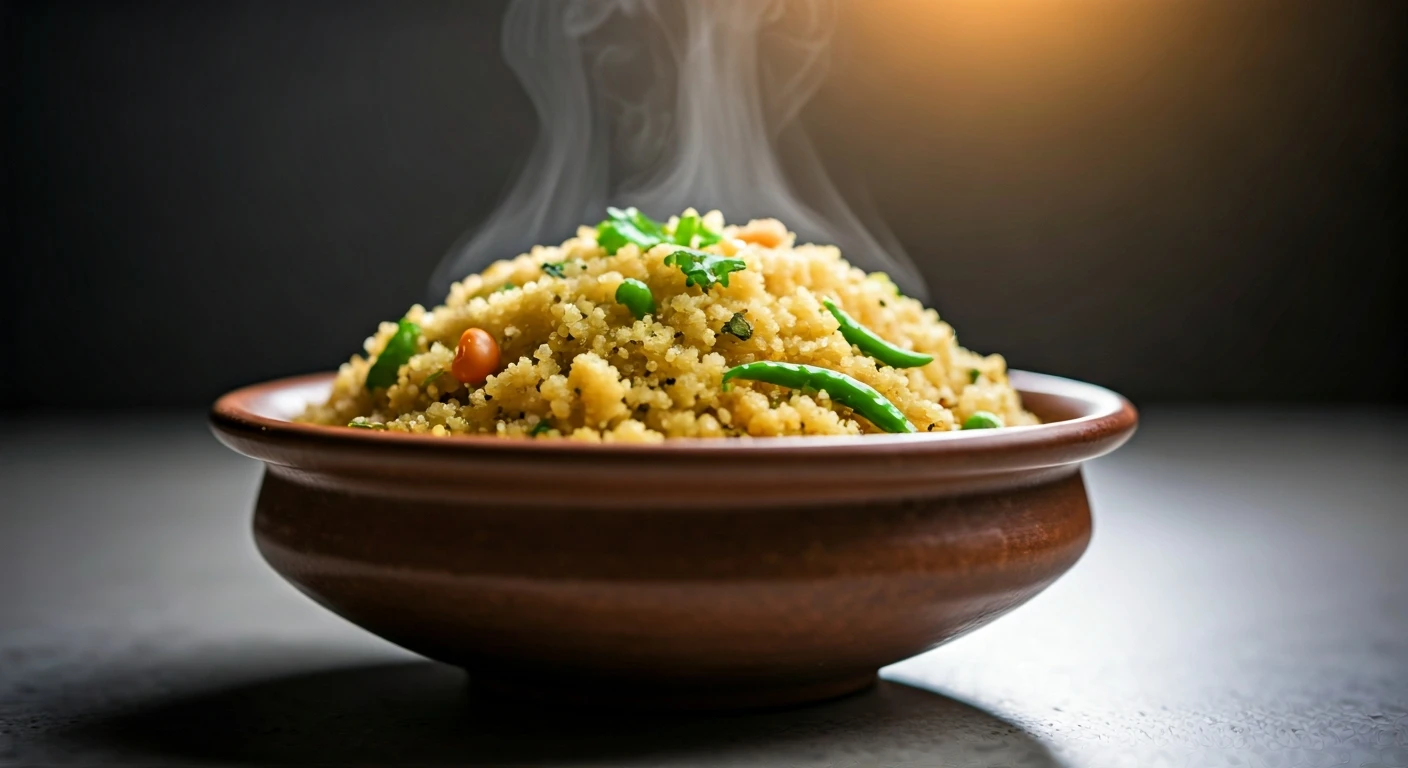
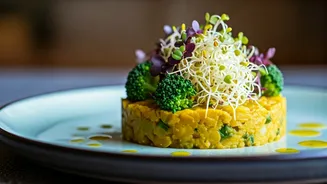
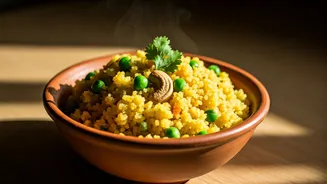
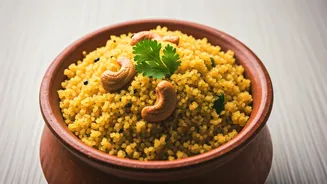
While its base is simple, upma is a wonderfully versatile canvas. Its beauty is that it can be whatever you need it to be. The most basic version, made with just onions and spices, is comforting in its minimalism. But with a few small additions, it transforms. Throw in a handful of chopped carrots, peas, and beans, and it becomes a nutrient-packed vegetable upma. A sprinkle of roasted cashews or peanuts adds a delightful crunch and richness. In some parts of India, a dash of sugar is added for a hint of sweetness, while in others, a squeeze of lemon at the end provides a fresh, tangy finish. From the coarse rava used in Karnataka for a fluffy texture to the fine sooji preferred for a smoother consistency elsewhere, every region and every family has its own signature twist. This adaptability ensures that upma never gets boring.
The Unsung Nutritional Powerhouse
Often dismissed as just 'carbs,' upma is actually a surprisingly balanced meal. Semolina is a good source of energy, protein, and iron. Since it’s digested slowly, it keeps you feeling full and energetic for longer, preventing the mid-morning slump that often follows sugary cereals. When prepared with a medley of vegetables, it becomes a wholesome dish packed with fibre and essential vitamins. Using ghee for tempering adds healthy fats, and the inclusion of lentils (dal) in the tadka provides an extra protein boost. It’s light on the stomach yet substantial enough to power you through your morning. For a dish that comes together so quickly, it offers a remarkable amount of balanced nutrition, making it a smart choice for a healthy lifestyle, not just a convenient one.
More Than a Meal, It's a Memory
Ultimately, the reason upma holds such a special place in our hearts is that it’s deeply woven into the fabric of our lives. It’s the taste of childhood, the comforting meal your mother made when you were sick, and the standard fare at family gatherings. It’s the dish that connects generations—a recipe passed down from a grandmother to her children, each adding their own small touch. It represents a culinary tradition that values substance over style and comfort over complexity. Each spoonful carries not just the flavour of spices and semolina, but also the warmth of home and the weight of countless shared memories. It doesn’t need to be flashy or celebrated on social media; its heroism is quiet, consistent, and found in millions of kitchens every single morning.