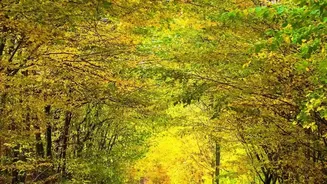




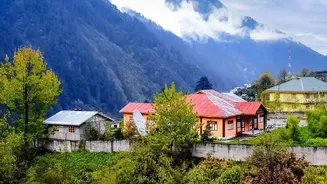
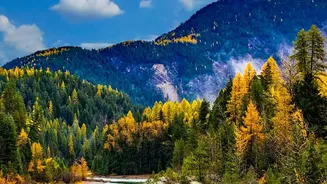
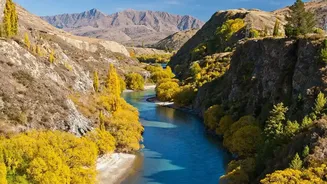
Why Shoja, and Why Autumn?
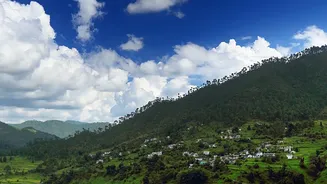
Shoja is the quieter, more introspective sibling to the increasingly popular Jibhi. It's a destination for slow travel, where the main attractions are the dense deodar forests, panoramic mountain views, and the prevailing sense of peace. While beautiful
year-round, autumn (September to November) is arguably the best time to visit. The monsoon rains have washed the landscape clean, leaving behind vibrant greenery and exceptionally clear skies perfect for photography and sightseeing. The weather is pleasantly cool, ideal for the walks and treks that define the Shoja experience, before the winter snow closes off higher reaches like Jalori Pass.
The Gateway to Adventure: Jalori Pass
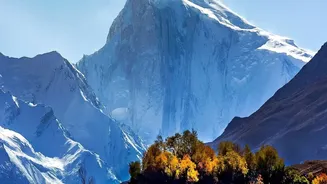
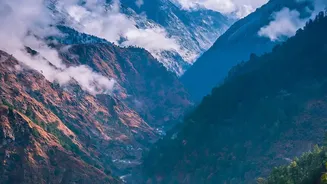
Just five kilometres from Shoja lies Jalori Pass, sitting at an elevation of over 10,000 feet. This high mountain pass is the starting point for the area's most famous treks. The drive up from Shoja is steep and winding, an adventure in itself, rewarding you with stunning vistas of the Dhauladhar and Kinnaur ranges. Even if you don't plan on a long trek, a visit to the pass is essential for its sweeping views and the small Mahakali temple that offers a moment of spiritual calm. During autumn, the pass is generally free of snow, making it easily accessible.
A Mystic Trek to Serolsar Lake
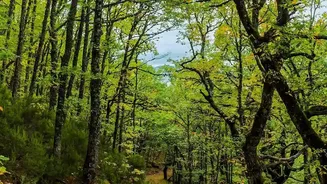
One of the two main trails leading from Jalori Pass takes you to the pristine Serolsar Lake. This is a relatively easy 5-kilometre walk through a dense forest of oak and deodar trees. The trail is mostly flat and shaded, making it suitable for beginners and families. The lake itself is a serene body of crystal-clear water, held sacred by locals. A small temple dedicated to Budhi Nagin, a local deity, sits on its banks. Local lore says that birds miraculously keep the lake's surface clear of any fallen leaves. The entire round trip from Jalori Pass takes about four to five hours, making it a perfect day excursion.
The Rewarding Climb to Raghupur Fort
In the opposite direction from the Serolsar Lake trail is the trek to Raghupur Fort. This 3-kilometre trail is shorter but steeper, involving a more strenuous climb. Your effort is rewarded at the top, around 11,000 feet, with a vast open meadow and the ruins of a fort believed to have been built by Mandi rulers. More than the ruins, the main draw here is the breathtaking 360-degree panoramic view of the surrounding Himalayan ranges. On a clear autumn day, the visibility is unparalleled. This trek is ideal for those who want a bit more of a challenge and some of the best views in the valley.
Embracing the Slow Village Life
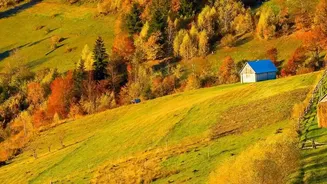
Beyond the main treks, Shoja’s greatest appeal lies in its unhurried pace. The village itself is a tranquil hideaway perfect for doing very little. You can spend your days going on leisurely walks through the surrounding forests, discovering hidden waterfalls, and engaging in birdwatching. Unlike more commercialised destinations, Shoja invites you to immerse yourself in the local culture. Stay in a traditional homestay, savour home-cooked Himachali meals, and simply sit back and enjoy the silence of the mountains. It's a place to disconnect from the digital world and reconnect with nature.
Practicalities: Getting There and Staying
Shoja is located in the Kullu district and is best reached by road. The most common route from Delhi or Chandigarh is via Mandi to Aut, where you leave the main Manali highway and turn into the Banjar Valley, passing Jibhi on the way to Shoja. The journey by road from Delhi can take 12-14 hours. Direct buses are available, but many travellers take a bus to Aut and then a local bus or taxi. The nearest airport is at Bhuntar (Kullu). Accommodation in Shoja consists mainly of charming homestays and guesthouses that offer a warm, local experience, though hostels are also available for budget travellers.