





A New Era for Non-Electrified Lines
Across the globe, many picturesque and historic railway lines are not electrified, meaning they rely on diesel-powered trains. While effective, these engines contribute to both noise and air pollution, detracting from the very scenery they traverse. The
solution emerging is the hydrogen train, a revolutionary technology that offers all the performance of diesel without the harmful emissions. These trains are specifically designed for non-electrified routes, making them a perfect fit for reviving historical corridors and connecting rural communities sustainably. In countries like Germany, Italy, and France, these trains are no longer just a concept; they are actively entering service, replacing older diesel fleets and heralding a new, quieter, and cleaner age of rail.
How Do Hydrogen Trains Actually Work?
The technology at the heart of a hydrogen train is the fuel cell. Onboard tanks store hydrogen, which is then fed into a fuel cell. Inside the cell, an electrochemical reaction occurs where the hydrogen combines with oxygen taken from the air. This process generates electricity to power the train's motors. Unlike a combustion engine, there are no moving parts and no burning of fuel. The only byproducts are electricity, heat, and water, which is emitted as steam or condensation. Many designs also include batteries to store excess energy generated by the fuel cell or captured during braking, which can then be used to provide a power boost when accelerating.
Riding Through History, Powered by the Future
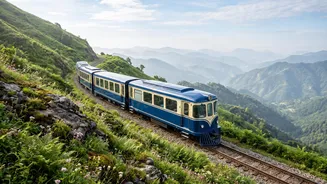
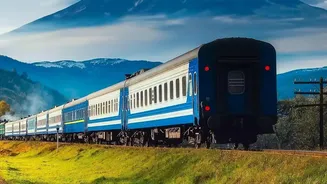
The most compelling application of this technology is on scenic and heritage routes where preserving the natural beauty is paramount. In Germany, Alstom's Coradia iLint trains began operating on a 100% hydrogen-powered route in Lower Saxony, gliding through the countryside with minimal noise and zero emissions. Italy is following suit, with plans to run hydrogen trains on routes in Lombardy and Sicily, including a scenic line that winds near the famous Mount Etna. These new trains allow passengers to enjoy pristine landscapes without the rumble and exhaust of a diesel engine. Even in India, there is a push to deploy hydrogen trains on heritage and mountainous routes to preserve the delicate ecological balance of these treasured corridors.
More Than Just a Zero-Emission Ride
The benefits of hydrogen trains extend beyond just clean air. Because they are powered by electric motors, their operation is remarkably quiet, reducing noise pollution for both passengers and residents near the railway lines. This creates a more peaceful and immersive travel experience, particularly on routes celebrated for their natural tranquility. Furthermore, adopting hydrogen trains on non-electrified lines avoids the need for costly and visually intrusive overhead power lines and substations. This helps maintain the historical character and aesthetic of old railway corridors, ensuring that the infrastructure of the future doesn't erase the charm of the past.
Hurdles on the Track to a Hydrogen Future
Despite the immense promise, the path to a fully hydrogen-powered rail network has its challenges. One major consideration is the source of the hydrogen itself. For the environmental benefits to be fully realised, the hydrogen must be 'green'—produced using renewable energy sources like wind or solar power. If it's produced using fossil fuels, the overall carbon footprint is reduced but not eliminated. Building the necessary infrastructure for producing, transporting, and storing hydrogen at scale also requires significant investment. Furthermore, early rollouts have faced some reliability issues and supply chain disruptions, highlighting that the technology is still maturing. These are not insurmountable obstacles, but they are crucial considerations as operators weigh the long-term benefits against the upfront costs and complexities.