

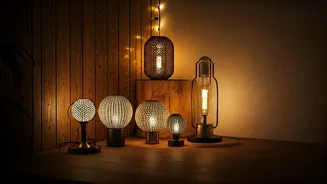


1. Layer Your Lighting
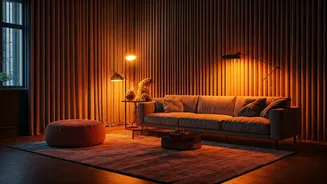
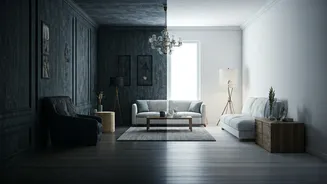
Harsh, single-source overhead lighting can make a room feel cold and sterile. The secret to a warm atmosphere is layered lighting. Instead of relying on one central fixture, combine multiple light sources at different heights. Use a mix of table lamps,
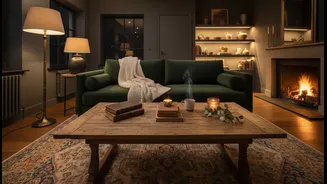
floor lamps, and even wall sconces to create soft pools of light throughout the room. Pay close attention to your light bulbs; opt for those with a warm colour temperature, typically between 2700K and 3000K, to mimic the gentle glow of candlelight or a sunset. Using dimmers is another excellent way to adjust the intensity for the perfect mood, whether you're hosting guests or settling in with a book.
2. Embrace Soft Textiles
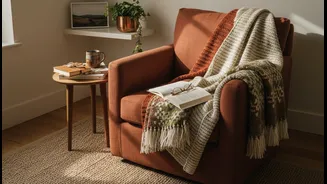
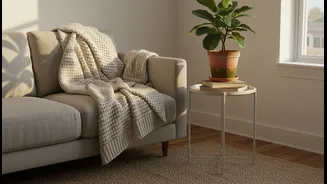
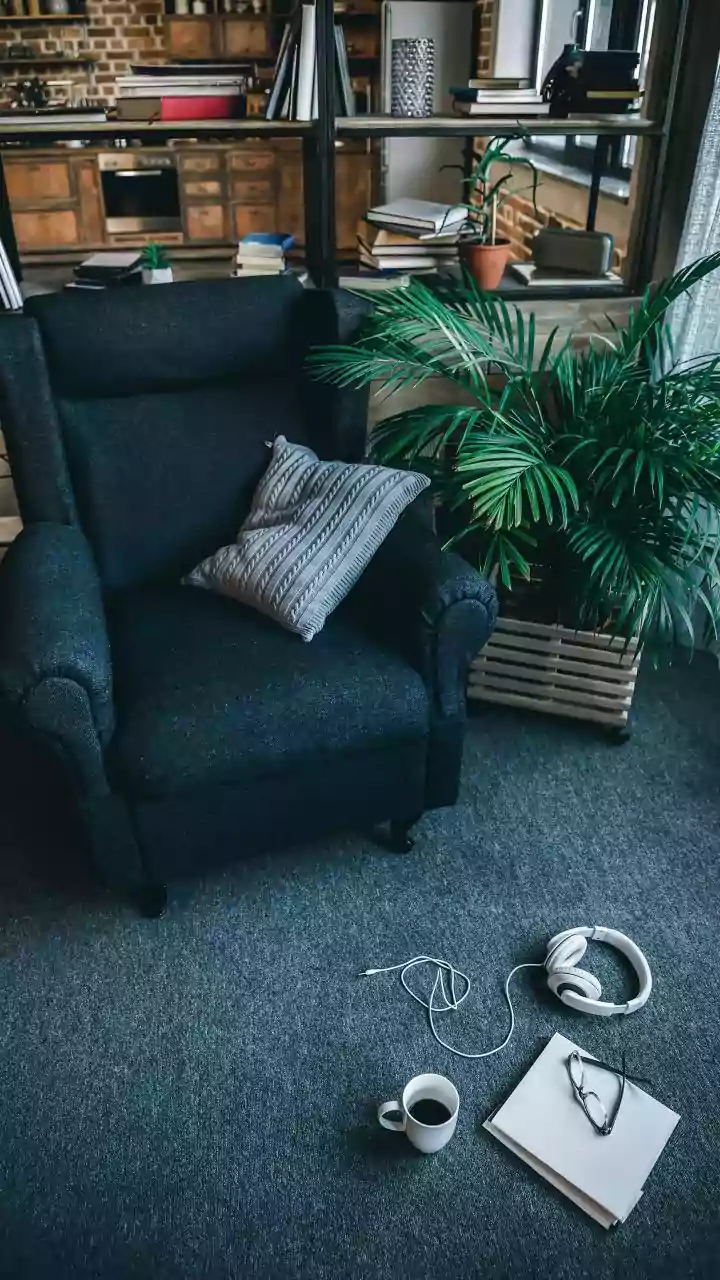
Texture is crucial for creating a feeling of comfort. Introduce a variety of soft, touchable fabrics to invite people to relax. Drape a chunky knit or faux-fur throw over the arm of a sofa or the back of a chair. Add an assortment of pillows in different materials like velvet, wool, or soft cotton to create a plush, layered look. These additions not only add physical warmth but also visual softness, breaking up the hard lines of furniture and making the space feel more lived-in and inviting.
3. Choose a Warm Colour Palette
Colour has a profound psychological effect on how we perceive a space. Warm colours—like reds, oranges, yellows, and earthy tones such as terracotta, mustard, and beige—are known to make a room feel more intimate and comfortable. You don't need to paint every wall a bold colour. You can apply the 60-30-10 rule: use a warm neutral for 60% of the room (walls), a secondary colour for 30% (furniture, curtains), and a bolder warm hue for 10% as an accent (pillows, art). Even incorporating warm-toned woods or leather can instantly raise the cosy factor.
4. Use Rugs to Ground the Space
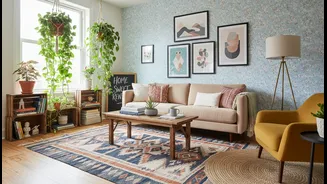
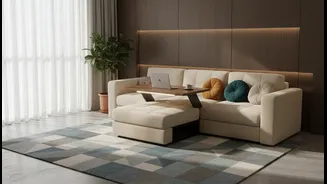
Bare floors can feel cold and uninviting, both literally and visually. A well-placed area rug is one of the quickest ways to add warmth and define a space. A rug adds a layer of texture, colour, and insulation. Don't be afraid to layer a rug even over existing carpet to add more depth and cosiness. For maximum effect, choose a rug large enough so at least the front legs of your main furniture pieces are sitting on it. This helps to unify the seating area and make it feel like a cohesive, intentional zone for conversation and relaxation.
5. Incorporate Natural Elements
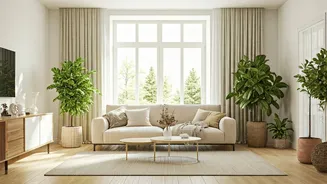
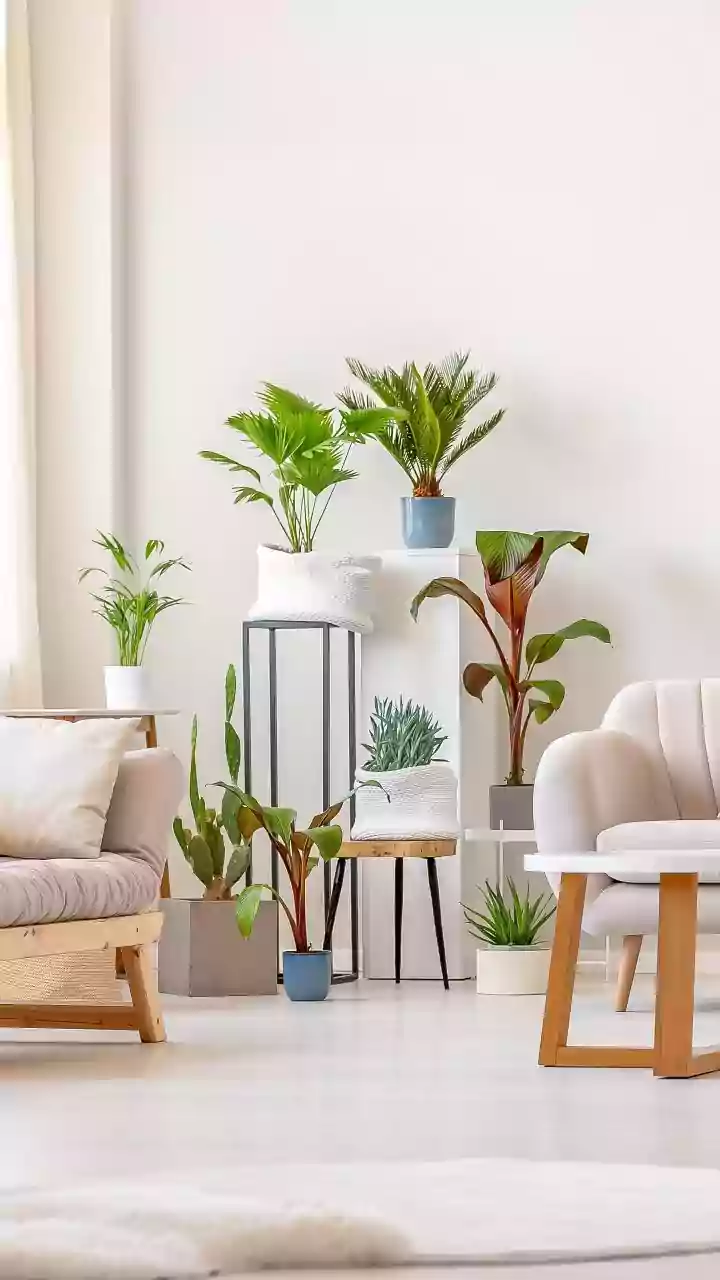
Bringing a bit of the outdoors inside can instantly make a room feel more alive and grounded. Natural materials like wood, rattan, and wicker add a layer of organic warmth that sterile materials lack. This can be as simple as a wooden coffee table, a wicker basket for storing blankets, or even small decorative items. Houseplants are another fantastic way to add life and colour. Their organic shapes soften architectural lines and contribute to a healthier, more calming environment.
6. Display Personal Touches
A warm home tells the story of the people who live there. Don't shy away from displaying items that are meaningful to you. This could be a gallery wall of family photos, a collection of books stacked on a side table, or keepsakes from your travels. These personal artifacts transform a generic space into one that is uniquely yours, creating conversation starters and a genuine sense of home. A tray on a coffee table can be a great way to corral a few favourite objects—like a candle, a small plant, and a treasured book—into a stylish, personal vignette.
7. Set the Mood with Scent
Warmth isn't just a visual concept; it's an experience that involves all the senses. A subtle, pleasant scent can make a room feel instantly more welcoming. Scented candles not only provide a gentle, flickering light but can also fill the space with cosy fragrances like vanilla, cinnamon, or amber. If open flames are a concern, reed diffusers or wax warmers are excellent alternatives for achieving a similar effect. The goal is to create a subtle background scent that completes the warm and inviting atmosphere.