





The August Humidity Trap
August in India often brings a thick, sticky humidity that feels more draining than dry heat. There's a scientific reason for this. Your body's primary cooling mechanism is sweat, which cools the skin as it evaporates. But when the air is already saturated
with moisture — as it is during peak monsoon humidity — your sweat can't evaporate effectively. Your body responds by sweating even more in an attempt to cool down, leading to significant fluid loss without the cooling benefit. This makes you work harder just to maintain a normal temperature, accelerating dehydration and fatigue even during routine activities like a daily commute or sitting in a non-air-conditioned room.
Dehydration’s Impact on Your Performance
For a young professional, peak performance is everything. Yet, even mild dehydration, a loss of just 1-2% of your body's water, can significantly impair cognitive function. This isn't about feeling thirsty; it's about a measurable decline in attention, short-term memory, and decision-making skills. That afternoon slump, nagging headache, or inability to focus on a complex task could be your brain telling you it's running low on fluids. Studies have shown that dehydration can decrease worker productivity by 12% or more, as tasks feel more difficult and reaction times slow down. In a competitive environment, proper hydration becomes a non-negotiable tool for maintaining your professional edge.
The Office Environment Deception
Escaping the outdoor mugginess for a cool, air-conditioned office might seem like the solution, but it presents its own hydration challenges. Air conditioning systems work by pulling moisture out of the air, which can lead to a very dry environment that subtly pulls moisture from your skin and breath. This cool, dry air can also blunt your body's natural thirst signals. Compounding this is the office culture of relying on caffeinated beverages like tea and coffee. While they contribute some fluid, they often replace water intake rather than supplementing it, and excessive caffeine can be a mild diuretic. This combination of a dry environment and inadequate water consumption can lead to chronic, low-grade dehydration among desk workers.
Building Your Hydration Routine
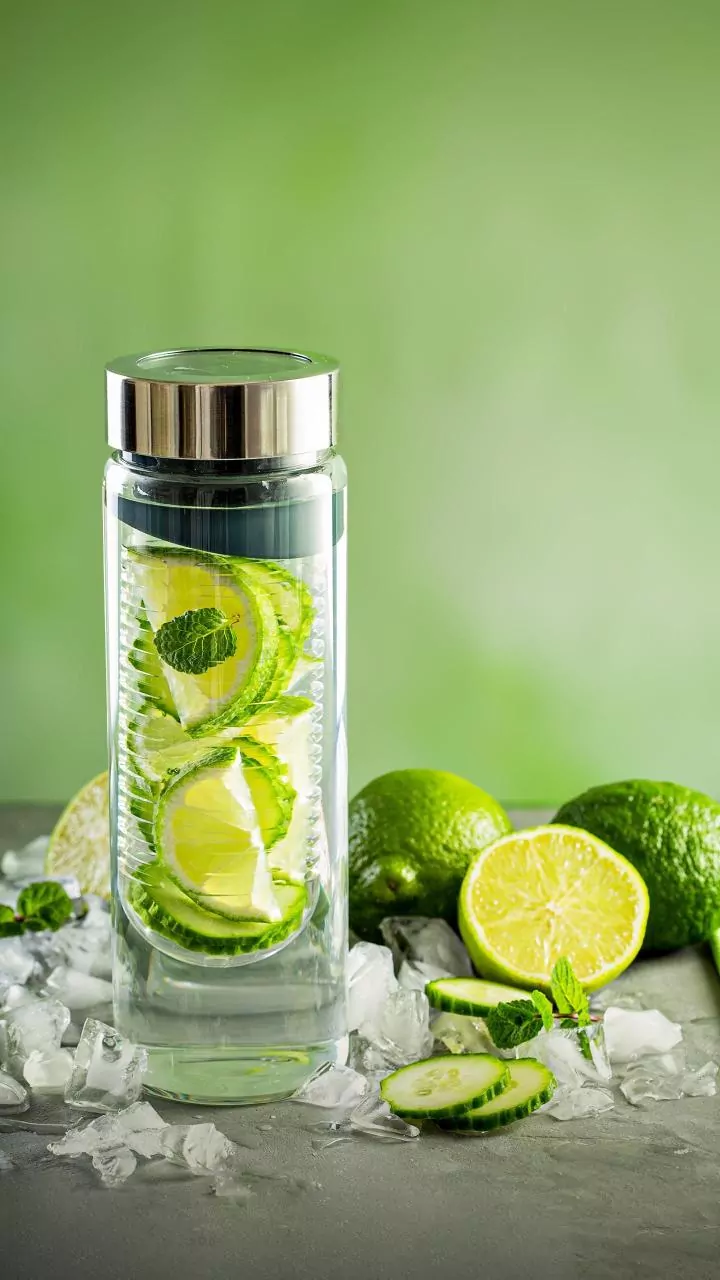
The key to combating dehydration is not just to drink more, but to drink smarter with a structured plan. Waiting until you're thirsty is a sign you're already behind. Start your day with a glass of water before your morning chai or coffee to rehydrate after sleep. Keep a reusable water bottle on your desk at all times; the visual cue is a powerful reminder. Set time-based goals, such as finishing a certain amount by lunchtime and another by the end of the workday. You can also link your sips to existing habits: drink water after every meeting, every time you check your email, or during scheduled breaks. Using a hydration tracking app can also provide helpful reminders throughout your busy day.
Don't Forget Your Electrolytes
When you're sweating excessively in high humidity, you're not just losing water; you're also losing essential minerals called electrolytes, such as sodium and potassium. These minerals are vital for muscle function, nerve signaling, and maintaining proper fluid balance in your body. Replenishing them is crucial for avoiding muscle cramps, fatigue, and dizziness. You don't necessarily need sugary sports drinks. Excellent natural sources of electrolytes include coconut water, bananas, yoghurt, citrus fruits, and leafy greens. On days with heavy sweating, consider adding a pinch of salt to your water or opting for an oral rehydration solution to effectively restore balance.