






From Container to Statement Piece
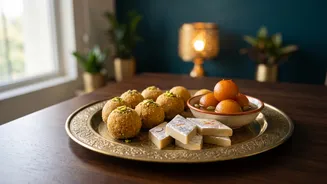
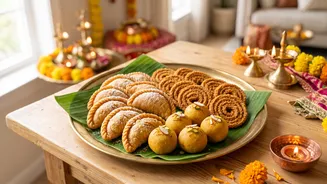
Not long ago, the box for Diwali sweets had one job: to safely transport laddoos and barfis from the halwai to a relative's home. Today, that box is doing much more. It has transformed from a functional container into a statement of intent, taste, and social
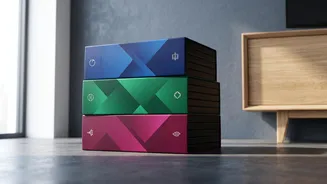
standing. The Indian packaged sweets market, valued at over INR 8,400 Crore in 2025, is rapidly growing, with packaging as a key driver. Boxes now come in rigid, high-quality board with magnetic closures, satin linings, and intricate foil designs. This evolution reflects a broader trend in Indian consumerism where presentation is not just an afterthought but an integral part of the product's value. The gift's 'wow' moment now begins before the box is even opened.
The Psychology of a Premium Box
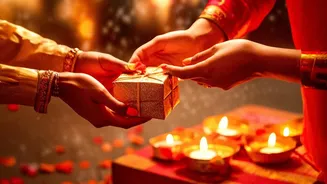
Why are we so drawn to a beautiful box? Research shows that packaging directly influences our perception of what’s inside. An elaborate, well-designed package signals quality, care, and importance, making the sweets inside seem more special and even taste better before the first bite. This phenomenon, known as 'predictive processing', means our brains use visual and tactile clues from the packaging to anticipate the experience. Intricate opening mechanisms, like ribbon pulls or layered folds, create a sense of ceremony and anticipation, elevating the act of receiving sweets into a memorable 'unboxing' experience. In a market flooded with options, a distinctive box makes the gift feel more personal and luxurious.
A Sweet Strategy for Brands
For sweet makers, both legacy brands and new-age gourmet mithai shops, packaging is a powerful business tool. In a competitive market, it’s the primary way to stand out. Brands are investing heavily in design, using packaging to tell a story about their heritage or ingredients. Current trends for 2026 include minimalist designs with pastel shades and elegant fonts for a modern feel, alongside timeless traditional motifs like peacocks, lotuses, and miniature-style art. Customisation is also booming, with options for personalised messages, names, and even QR codes that link to digital greetings. Boxes are now designed to be keepsakes, beautiful enough to be reused long after the last sweet is eaten, extending the brand's presence in the home.
The Rise of Sustainable Sophistication
The move towards elaborate packaging has an environmental cost, with cities seeing a massive spike in waste during the festive season. This has sparked a strong and growing counter-movement towards sustainable gifting. Eco-friendly no longer means compromising on style. In fact, for many consumers, sustainability is the new luxury. Brands are innovating with materials like recycled Kraft paper, jute, bagasse (sugarcane pulp) trays, and even seed-embedded paper that can be planted. Fabric wraps inspired by the Japanese art of Furoshiki, using materials like cotton or khadi, are also gaining popularity as a reusable and elegant alternative to paper. This shift shows a growing consciousness among Indian consumers who want their festive choices to be both beautiful and responsible.