





The Nostalgia in a Jar
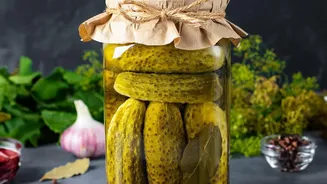
In India, pickles, or 'achar', are more than just a condiment; they are a vessel of memory and tradition. For generations, the art of pickling was a seasonal ritual, with mothers and grandmothers transforming fruits and vegetables into spicy, tangy treasures
designed to last the year. These recipes were fiercely guarded family heirlooms, each bottle a taste of home, love, and legacy. The sharp tang of a mango pickle or the fiery kick of a chili pickle can transport one back to childhood lunches and the reassuring comfort of a family meal. This deep emotional connection is precisely what makes the absence of these flavours so acute for those living away from home.
A Modern Urban Dilemma
The life of a busy single professional in a bustling Indian city presents a unique challenge. Long work hours, compact living spaces, and a fast-paced lifestyle mean that traditional, time-consuming cooking practices, like pickle-making, are often impossible. While the desire for home-cooked food is strong, the reality is that convenience often wins. Mass-produced pickles from large-scale factories have long been available, but they often lack the distinct, complex flavours and preservative-free quality of homemade versions. This created a gap in the market: a demand for the authentic taste of home without the associated time and effort.
Enter the Artisanal Pickle-Makers
Stepping into this gap is a growing number of artisanal and small-batch pickle brands. These entrepreneurs, many of whom are reviving family recipes, are dedicated to preserving traditional methods. What makes them 'artisanal' is a commitment to quality ingredients, the absence of synthetic preservatives, and the use of traditional techniques like sun-drying and slow fermentation. Brands like Pickle Shickle, Babaji Achar, and Vemica are offering products that taste like they came straight from a family kitchen. By producing in smaller quantities, they ensure a level of freshness and flavour integrity that mass-market brands struggle to replicate. This focus on purity and authenticity resonates deeply with health-conscious consumers looking for clean-label products.
A Culinary Tour of India
One of the most exciting aspects of this trend is the incredible diversity of regional specialities now available online and in stores. Professionals in Mumbai can now easily sample a spicy Banarasi red chilli pickle from Uttar Pradesh or a tangy Gongura pickle from Andhra Pradesh. The offerings go far beyond the standard mango and lime. You can find pungent garlic pickles, unique jackfruit and lotus stem pickles, and even non-vegetarian options like prawn and pork pickles that hail from Coorgi or Burmese family traditions. This allows consumers to not only reconnect with the flavours of their own heritage but also to explore the rich culinary tapestry of India, one spoonful at a time.
More Than Just a Side Dish
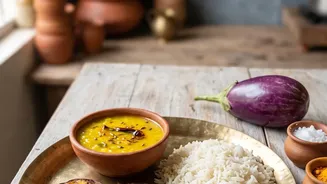
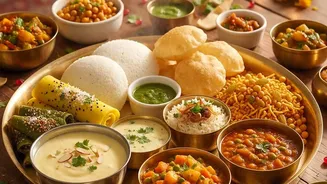
For the busy professional, these artisanal pickles serve a purpose beyond being a simple accompaniment to dal and rice. They are a potent flavour hack, a quick and easy way to elevate a simple meal. A spoonful of a spicy-sweet mango thokku can transform a bowl of curd rice, while a robust garlic pickle can add a punch to a simple paratha or sandwich. Some are using them as spreads, marinades, or even as a base for quick-cooking gravies. In a world where time is the ultimate luxury, these pickles provide a shortcut to a complex, satisfying, and deeply comforting flavour profile that tastes genuinely home-cooked. They offer a simple solution to the perennial question: 'How can I make tonight's quick dinner taste like home?'