




A City's Shrinking Green Identity
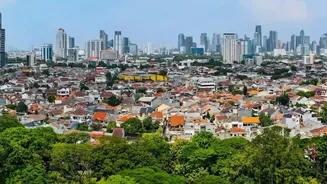
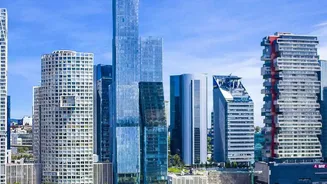
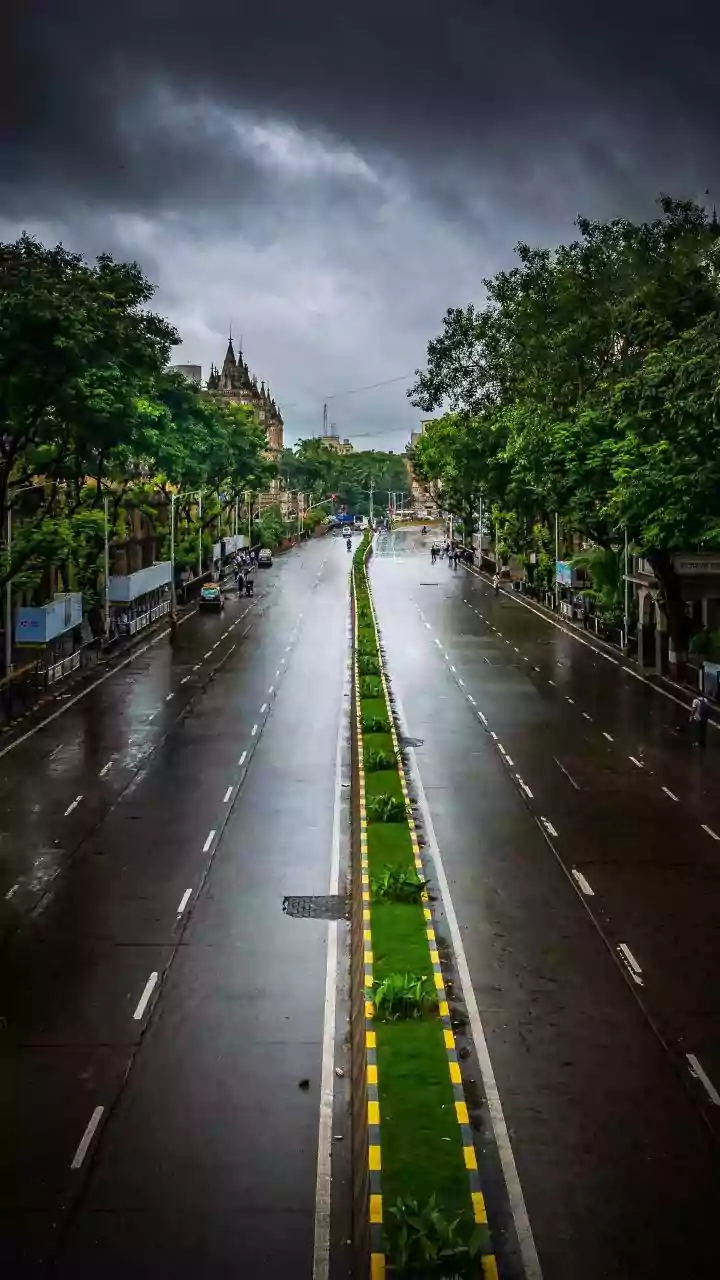
For decades, Bengaluru's identity was intertwined with its lush canopy and sprawling parks. However, the city's transformation into a bustling metropolis has led to a dramatic decline in its green cover. Studies have chronicled a startling loss of vegetation,
with some research indicating that green cover plummeted from over 68% in the 1970s to less than 4% in recent years. This isn't just a loss of scenery; it's an erosion of the city's ecological resilience. The explosion of paved surfaces—a more than 1,000% increase over five decades—has intensified the urban heat island effect, making the city significantly warmer. This rapid, often unplanned, urbanisation has left the city with a fraction of the green space recommended by urban planning norms, putting immense pressure on remaining parks and tree-lined avenues.
Infrastructure vs. Environment: The Flashpoint
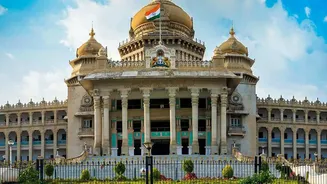
The primary driver of this conflict is the constant demand for land for large-scale infrastructure projects. The construction of the Namma Metro has been a significant contributor, with thousands of trees felled for its expansion. More recently, proposed projects like elevated corridors and road-widening schemes threaten to remove thousands more. The latest and most contentious flashpoint is a legal amendment passed by the Karnataka legislature in August 2026. This change to the Karnataka Government Parks (Preservation) Act of 1975 allows up to 5% of any government park's land to be acquired for public infrastructure projects. While the government states this is a necessary measure for development like road widening, it has triggered widespread alarm among citizens and environmentalists.
Citizens on the Front Lines
The government's moves have not gone unchallenged. A groundswell of citizen activism has emerged as one of the most powerful forces in this debate. In late August 2026, hundreds of citizens, resident associations, and environmental groups formed a human chain at the iconic Lalbagh Botanical Garden to protest the park land amendment, holding banners that read "NOT 5%. NOT 1 INCH. LEAVE OUR PARKS ALONE." This was followed by another protest that reportedly drew over 5,000 people. These demonstrations are the public face of a much broader movement that includes online petitions, legal challenges, and community-level organising. Activists argue that treating green spaces as disposable land for infrastructure is short-sighted, ignoring their crucial role in regulating temperature, absorbing rainwater, and providing essential recreational areas for a dense urban population.
The Legal and Ecological Stakes
Critics of the new amendment fear it sets a dangerous precedent, creating a legal pathway to chip away at protected areas like Lalbagh and Cubbon Park. Concerns are particularly focused on a proposed tunnel road project, which might require acquiring land from Lalbagh, a move the amendment could facilitate. Ecologically, the stakes are enormous. Parks are not just collections of trees; they are complex ecosystems that support biodiversity and provide tangible cooling benefits. Studies show that green spaces in Bengaluru can be over 2°C cooler than their concrete surroundings, an effect that extends hundreds of metres beyond their boundaries. Losing even a small percentage of a park can disrupt this cooling effect, weaken the root systems of remaining trees through nearby construction, and contribute to issues like air pollution and groundwater depletion.
The Search for a Sustainable Path
The debate is not simply about choosing between development and the environment. Many are calling for a more integrated approach to urban planning. Citizen groups are demanding that authorities prioritise alternatives that don't involve using parkland and mandate transparent public consultation for any project affecting green spaces. There is also a push to formally recognise green spaces as essential infrastructure, just as important as roads and utilities. At a community level, initiatives are taking root, with residents forming 'Citizen Tree Committees' to adopt and care for trees in their neighbourhoods. Simultaneously, a growing number of real estate developers are beginning to incorporate sustainable practices like rainwater harvesting, green buildings, and preserving open spaces, responding to a rising demand for healthier living environments. These efforts suggest a desire for a new model of growth—one that allows Bengaluru to thrive without sacrificing the very greenness that once defined it.