



The Gut-Health Connection
Before we look back, let's look within. The modern wellness conversation is dominated by one topic: gut health. Our digestive systems are home to trillions of microbes, a complex ecosystem known as the gut microbiome. Scientists now link a healthy microbiome to everything
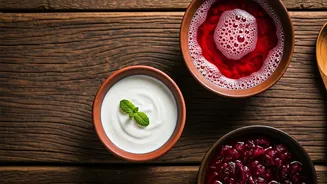
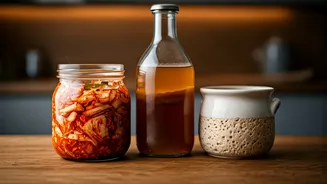
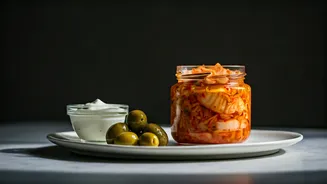
from better digestion and stronger immunity to improved mental health. The key to a happy gut? Probiotics—live, beneficial bacteria. And the most natural, food-based source of probiotics is fermentation. This process, where microorganisms like yeast and bacteria break down carbs, not only preserves food but also creates a cocktail of vitamins, enzymes, and gut-friendly bacteria. It's the science that finally explains why your grandmother insisted that a little bit of homemade achar was good for you.
A Tradition We Never Truly Lost
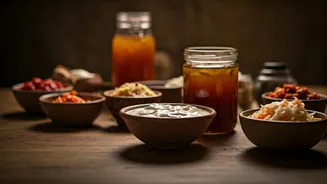
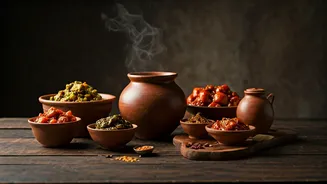
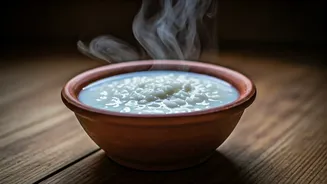
While the wellness world talks about kombucha and kimchi, India has a vast, ancient library of fermented foods that we've been enjoying for centuries. Think about it: the soft, spongy idli and the crisp dosa are products of a fermented rice and lentil batter. The dhokla from Gujarat relies on a fermented gram flour batter for its characteristic fluffiness. These staples were so integrated into our daily diet that we often forgot they were 'health foods'. Beyond these, every region has its own fermented treasures. There's Gundruk and Sinki from the Northeast, fermented greens and radish taproots that provide sustenance through long winters. Or the Ambali, a cooling fermented ragi porridge from the South. These weren't trends; they were life.
The Revival on Our Plates
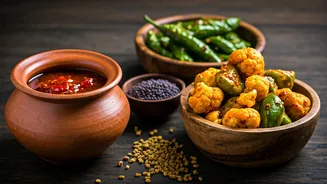
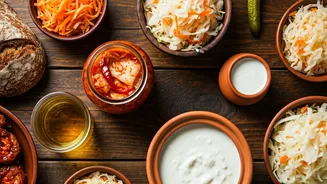
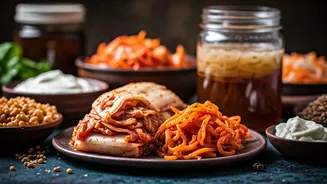
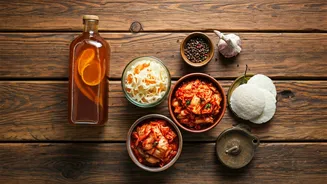
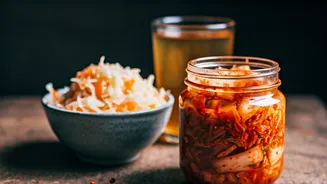
So, what’s new? The 'return' is less about rediscovering idli and more about reviving the hyper-local, seasonal ferments that were fading from memory. The star of this revival is Gajar ki Kanji, a vibrant, probiotic-rich drink made from black carrots, mustard seeds, and water, left to ferment in the sun. Once a winter staple in North Indian homes, it's now appearing on cafe menus and in urban kitchens. Similarly, traditional, salt-brined pickles (not the commercial vinegar-doused versions) are being celebrated for their complex flavours and probiotic punch. Even global ferments are getting an Indian makeover. Urban enthusiasts are brewing kombucha with kokum and hibiscus, and making water kefir with seasonal fruits, blending global techniques with local ingredients.
From Kitchens to Instagram Feeds
This comeback is being driven by a confluence of factors. The COVID-19 lockdowns played a significant role, pushing many to experiment in the kitchen and reconnect with slower, more traditional food practices. Sourdough baking became a global phenomenon, and in India, it sparked curiosity about our own fermented breads. Simultaneously, a new generation of chefs and food entrepreneurs began championing India's culinary heritage, digging into old family recipes and celebrating forgotten ingredients. Wellness influencers on social media platforms like Instagram have also amplified the message, demystifying the fermentation process with step-by-step guides and highlighting the 'gut-friendly' benefits, making these age-old practices feel modern, accessible, and aspirational.
More Than Just a Health Trend
To view this revival as just another health fad would be missing the point. It’s a cultural reclamation. Fermentation is inherently sustainable; it’s a way to preserve the bounty of a season, reducing food waste and ensuring flavour and nutrition year-round. Making kanji or a batch of lime pickle is an act of connecting with the past, a tangible link to the wisdom of our ancestors who understood microbiology long before it had a name. It’s about flavour, too—the complex sour, funky, and tangy notes that fermentation develops are impossible to replicate artificially. This trend is a quiet rebellion against the instant, the processed, and the homogenous, celebrating instead the slow, the living, and the deeply personal.