


Jaipur's scorching summer is legendary, but its winter is a well-kept secret of soft sunlight and pleasant days. This is the season when the Pink City truly shines, making it the perfect time to explore its iconic architectural wonders.
The Perfect Season to Visit
The best time to
experience Jaipur is undoubtedly during its cooler months, from October to March. During this period, the intense heat of the Rajasthani summer gives way to pleasant, sunny days and cool, crisp evenings. Temperatures typically range from a comfortable 22°C during the day to a brisk 8°C at night, especially in December and January. This enjoyable weather allows for full days of sightseeing without the exhaustion that comes with the 40°C-plus heat of April and May. It's the ideal climate for walking through sprawling forts, exploring vibrant bazaars, and enjoying rooftop dinners.
Amber Fort: A Majestic Hilltop Marvel
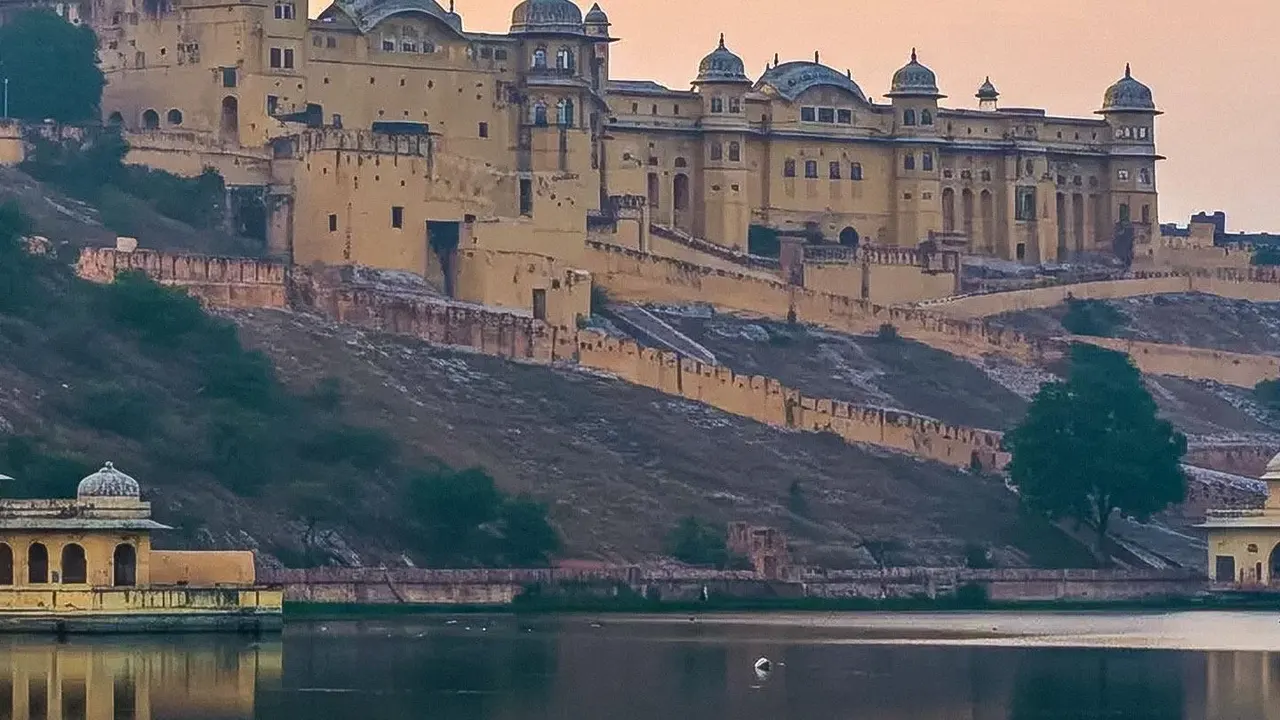
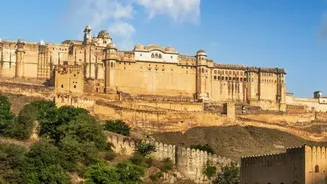
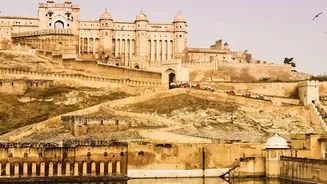
Perched on a ridge overlooking Maota Lake, the magnificent Amber Fort (also known as Amer Fort) is an unmissable part of any Jaipur itinerary. The cooler winter air makes exploring its vast courtyards, intricate palaces, and steep ramps far more comfortable. Arrive early, ideally right at its 8:00 AM opening time, to witness the fort's sandstone walls glow in the soft morning light and to explore the famous Sheesh Mahal (Mirror Palace) before the crowds arrive. The fort is a stunning example of Rajput and Mughal architecture, and you should budget at least two to three hours for a proper visit. Ethical alternatives like jeep rides are available to ascend the hill to the main gate.
Visitor's Guide to Amber Fort
The fort is generally open for day visits from 8:00 AM to 5:30 PM. As of the 2026 fee revisions, the ticket price for Indian adults is ₹200, while for foreign adults it is ₹1,000, with concessions available for students. For convenience, consider purchasing a composite ticket, which is valid for two days and covers entry to several other major Jaipur monuments, often proving more economical. It is always a good practice to confirm the latest rates on the official Rajasthan tourism portal before your visit. An evening light and sound show also takes place near Maota Lake, narrating the fort's history against its illuminated silhouette.
Hawa Mahal: The Palace of Winds
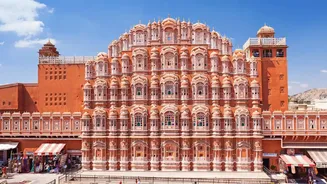
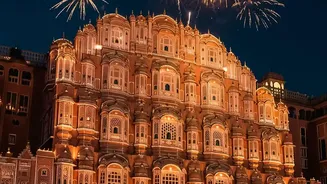
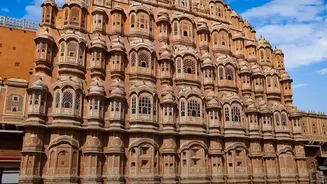
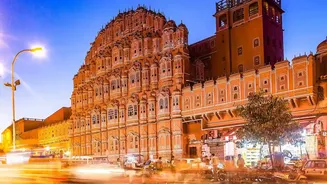
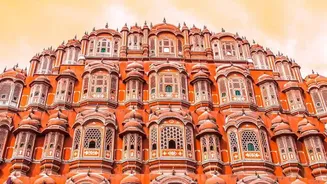
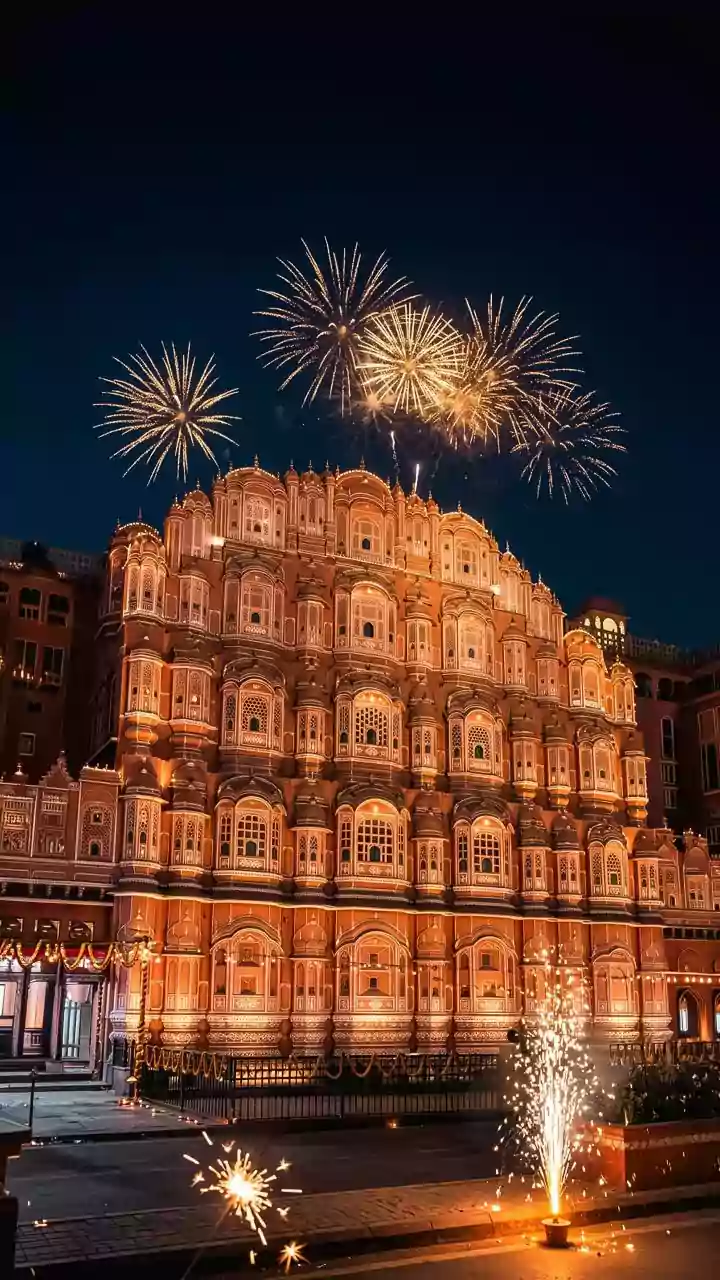
No image of Jaipur is more iconic than the five-storeyed, honeycomb-like façade of Hawa Mahal. Built in 1799, this 'Palace of Winds' was designed to allow royal women to observe street festivities unnoticed through its 953 small windows, or 'jharokhas'. The palace's east-facing front is best photographed in the morning, when the sun illuminates its pink sandstone structure. Rooftop cafés across the road offer the perfect vantage point for that classic shot. While the exterior is its most famous feature, the interior is a series of ramps and chambers worth exploring for an hour.
Practical Details for Hawa Mahal
Hawa Mahal is conveniently located in the heart of the old city and is open daily from 9:00 AM to 5:00 PM. Following the 2026 revisions, the entry fee is ₹100 for Indian citizens and ₹600 for foreign tourists. This monument is also included in the composite ticket option, which is a great value for travellers planning to see multiple sites. Due to its central location, it can easily be combined with a visit to the nearby City Palace and Jantar Mantar observatory.
Tips for Your Winter Trip
To make the most of your cooler season visit, it's wise to book accommodation and transport in advance, as this is peak tourist season. Pack layers; light jackets or sweaters are essential for the chilly mornings and evenings, though you may not need them during the warm afternoons. Comfortable walking shoes are a must, as exploring Jaipur's attractions involves a lot of walking on uneven stone surfaces. Finally, start your days early. Being at major sites like Amber Fort right at opening not only helps you beat the crowds but also lets you experience these historic places in the best possible light.