







The Disconnect Between Goals and Spending
Most of us live with a fundamental disconnect. We have abstract, long-term ambitions, but our day-to-day spending is driven by immediate wants and habits. That $6 coffee, the unplanned takeout, the subscription you forgot about—they don’t feel like a big
deal in the moment. But this is the financial equivalent of death by a thousand cuts. Without a clear picture of where your money is actually going, you’re essentially trying to navigate a cross-country road trip without a map. You know your destination, but you’re taking scenic detours that lead you miles off course every single day. Expense tracking isn’t about judging those small purchases; it’s about making them visible, so you can decide if they’re truly worth more than your ultimate destination.
Why 'Budgeting' Is the Wrong Word
Let’s be honest: the word “budget” makes most people cringe. It brings to mind restrictive, joyless spreadsheets and a constant feeling of deprivation. This is why most budgets fail. They’re built on a foundation of “no.” Effective expense tracking, on the other hand, is built on a foundation of “know.” It’s not about telling yourself you can’t have something. It’s about having the information to ask a better question: “Does this purchase align with what I want most?” Tracking provides data, not dogma. It transforms money management from a guessing game into a strategy. It’s the difference between a restrictive diet and a fitness tracker that gives you the information you need to make healthier choices without banning dessert forever.
What Gets Measured Gets Managed
There’s a powerful psychological principle at play here: the simple act of observation changes our behavior. When you know you’re going to log a purchase, you subconsciously evaluate it more carefully. This isn’t about willpower; it’s about awareness. Suddenly, impulse buys have to pass through a mental checkpoint. You start to see patterns you never noticed. For instance, you might discover you spend $200 a month on lunches out, not because you love the food, but because you’re unprepared. That single piece of information is a powerful catalyst for change. You’re not depriving yourself by packing a lunch; you’re consciously reallocating that $200 toward your goal of, say, a vacation or an investment account. Tracking illuminates these choices, giving you the power to make them intentionally.
Find Your Tracking Method
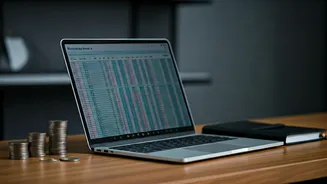
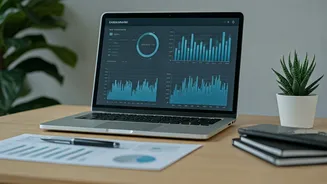
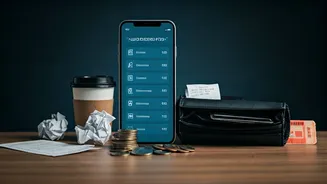
There’s no one-size-fits-all solution. The best method is the one you’ll actually stick with. Generally, they fall into three categories: 1. **The Digital Automator:** Use an app like Mint, Copilot, or YNAB (You Need A Budget). These tools securely link to your bank accounts and credit cards, automatically categorizing your transactions. This is the “set it and forget it” approach to data collection, leaving you to focus on analyzing the results. It’s perfect for those who want maximum data with minimum daily effort. 2. **The Manual Analyst:** For those who prefer a more hands-on approach, a simple spreadsheet (like Google Sheets or Excel) or even a dedicated notebook works wonders. Manually entering each transaction forces you to confront every dollar you spend. This friction is a feature, not a bug, as it makes you acutely aware of your financial habits. 3. **The Tactile Traditionalist:** This is the modern version of the envelope system. You can use physical cash envelopes for variable spending categories (groceries, dining out) or a digital equivalent with banking sub-accounts. When the money in the envelope is gone, you’re done spending in that category for the month. It's a simple, visceral way to enforce limits.