







The Monsoon Mandate
The primary reason India's tiger parks go quiet is the arrival of the annual monsoon, typically from June or July through September. The National Tiger Conservation Authority (NTCA) has recommended that reserves close their core areas for a minimum of three
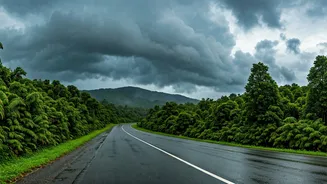
months during this period. Heavy and relentless rains transform the dry, dusty safari trails into impassable rivers of mud. For safari vehicles, these conditions are not just difficult but dangerous, with risks of getting stuck, and in hilly areas, the increased potential for landslides makes venturing out unsafe for tourists and staff alike. This shutdown is a pragmatic decision to ensure visitor safety and prevent damage to park infrastructure.
A Time for Nature's Renewal
The monsoon is the forest's lifeline. The deluge of rain is a period of intense natural rejuvenation. Water bodies are replenished, and the parched land gives way to lush, dense greenery. This break from the constant movement of safari vehicles allows the vegetation to recover and the entire ecosystem to reset. Without this quiet period, the fragile habitat would suffer from soil erosion and degradation caused by foot and vehicle traffic on saturated ground. The closure is, in essence, a large-scale conservation effort, allowing the forests to heal and flourish, which is crucial for supporting the diverse wildlife within them.
Privacy for a Royal Family
Beyond the logistical and ecological reasons, the monsoon shutdown serves a critical biological purpose. This period often coincides with the breeding and cub-rearing season for tigers and many other species. Pregnant tigresses seek out secluded dens to give birth, and the first few months are a vulnerable time for the young cubs. Minimizing human disturbance is crucial for their survival. An undisturbed environment reduces stress on the animals, allowing them to engage in essential mating and parenting behaviours, which is fundamental to maintaining a healthy and stable tiger population for the future. The quiet allows the next generation of tigers to get the best possible start in life.
Not All Parks Go Completely Silent
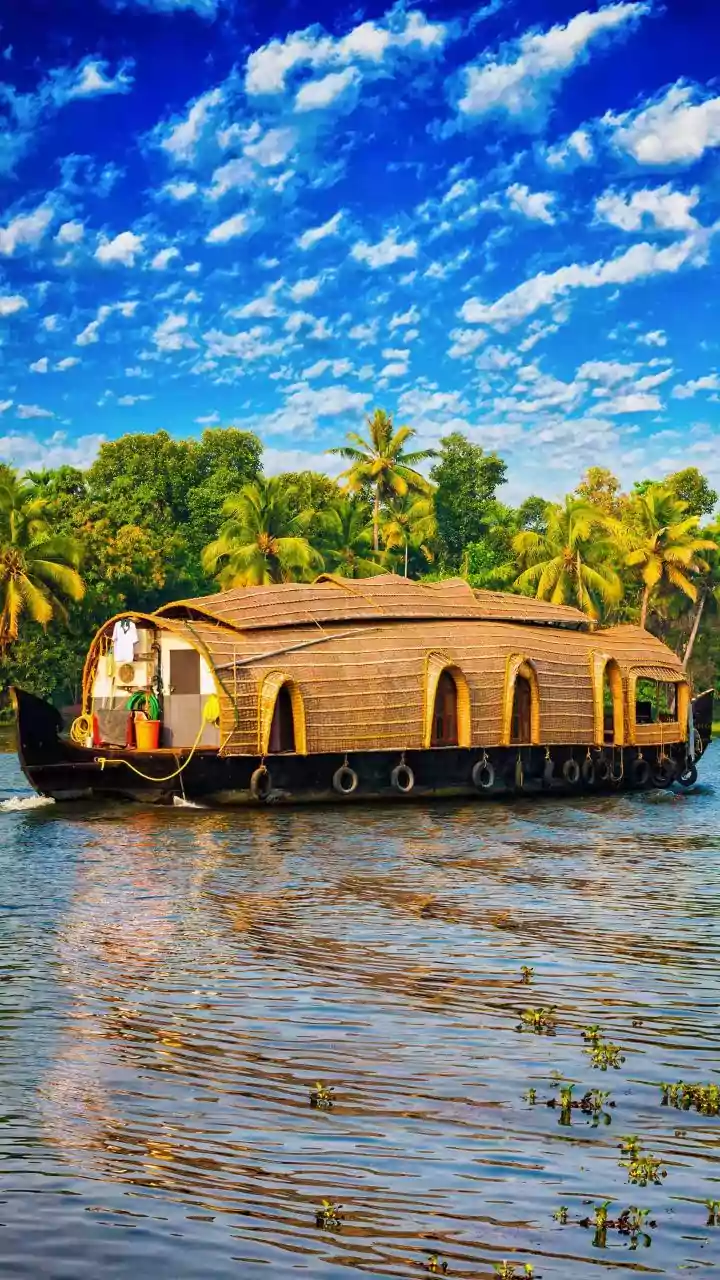
While the core zones of most major tiger reserves like Bandhavgarh, Kanha, and Ranthambore close, the story isn't the same everywhere. A number of parks keep their buffer zones or specific, more accessible tourism circuits open. For instance, certain zones in Ranthambore and the buffer areas of Tadoba-Andhari Tiger Reserve in Maharashtra often remain operational. Furthermore, some parks, particularly in southern India like Periyar in Kerala and Nagarhole in Karnataka, have different terrain and may remain largely accessible for tourism, offering unique boat safaris or drives through less affected areas. These monsoon safaris offer a different experience—fewer crowds, incredibly lush landscapes, and opportunities to see wildlife adapt to the rains.