





Why Your Stomach Protests in a Moving Car
Motion sickness is a common problem that occurs when your brain gets conflicting signals from your eyes, inner ear, and body. When you're in a car, your inner ear senses movement, but your eyes, perhaps focused on a phone or a book, tell your brain you're still.
This sensory mismatch can lead to dizziness, cold sweats, and nausea. Food plays a crucial role in this. A heavy, spicy, or greasy meal before traveling can upset your stomach even when you're stationary. When you add the jostling motion of a car, it can amplify discomfort, leading to heartburn (acid reflux) or full-blown queasiness. An overfull stomach is more likely to allow acid to splash back up into the esophagus, while certain foods can irritate the stomach lining or take a long time to digest, making you feel bloated and unwell.
The Key Foods and Drinks to Avoid
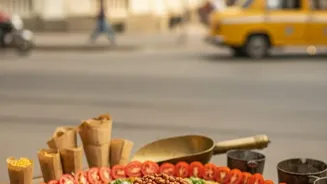
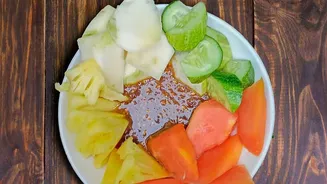
Planning your pre-journey meal is one of the easiest ways to prevent discomfort. The main culprits are foods that are acidic, greasy, spicy, or gassy. Highly acidic foods like tomatoes, citrus fruits (oranges, lemons), and their juices can irritate the stomach, especially when combined with motion. Greasy and fried foods, such as pakoras, burgers, and chips, are difficult to digest and can sit heavily in your stomach, increasing the chances of nausea. Similarly, spicy curries and dishes with a lot of chilli can stimulate excess stomach acid, a direct trigger for heartburn. It's also wise to steer clear of carbonated drinks, which can cause bloating and gas, and caffeine, which can contribute to dehydration and make you feel more restless and sensitive to motion. Finally, traveling on a completely empty stomach can also backfire, as it can leave you feeling light-headed and more susceptible to queasiness.
Your Go-To Menu for a Smooth Ride
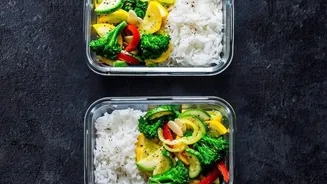
So, what should you eat? The goal is to choose light, bland, and easily digestible foods. The BRAT diet—bananas, rice, applesauce, and toast—is a classic recommendation for an upset stomach for a reason; these foods are gentle on the digestive system. Bananas are an excellent choice as they are low in acid and can help stabilize blood sugar. Plain, starchy carbohydrates like crackers, pretzels, dry cereal, or a simple sandwich are also great options because they can help absorb stomach acid. If you want something more substantial, a small portion of lean protein, like a boiled egg or a piece of grilled chicken, paired with a complex carbohydrate like whole-grain toast, will keep you satisfied without overloading your system. These small, balanced meals give your stomach something to work on without triggering reflux or nausea.
Smarter Sipping and Snacking on the Go
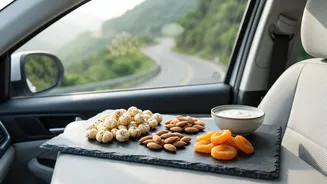
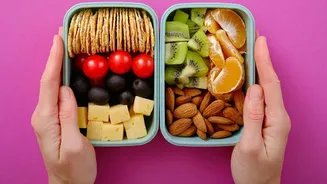
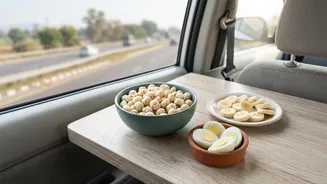
Hydration is key, but what you drink matters. Stick to plain water and sip it steadily throughout your journey to stay hydrated. If you need a little flavor, herbal teas like peppermint or ginger can be very soothing for the stomach; ginger, in particular, is a well known natural remedy for nausea. For long drives, it's better to graze on small snacks rather than eating a large meal midway through. Keep a stash of travel friendly snacks handy. Good choices include plain crackers, rice cakes than low fat granola bars than low acid fruits like apples or pears. Having these options available means you won't be tempted by the greasy offerings at a roadside stop. By simply planning ahead than you can avoid the common triggers of travel related stomach trouble.