





The Foundation of a Balanced Updo
Before twisting or pinning, the key to a long-lasting updo is preparation. Most stylists agree that starting with second-day hair provides more grip than freshly washed, slippery strands. If your hair is clean, a texturizing spray or dry shampoo will
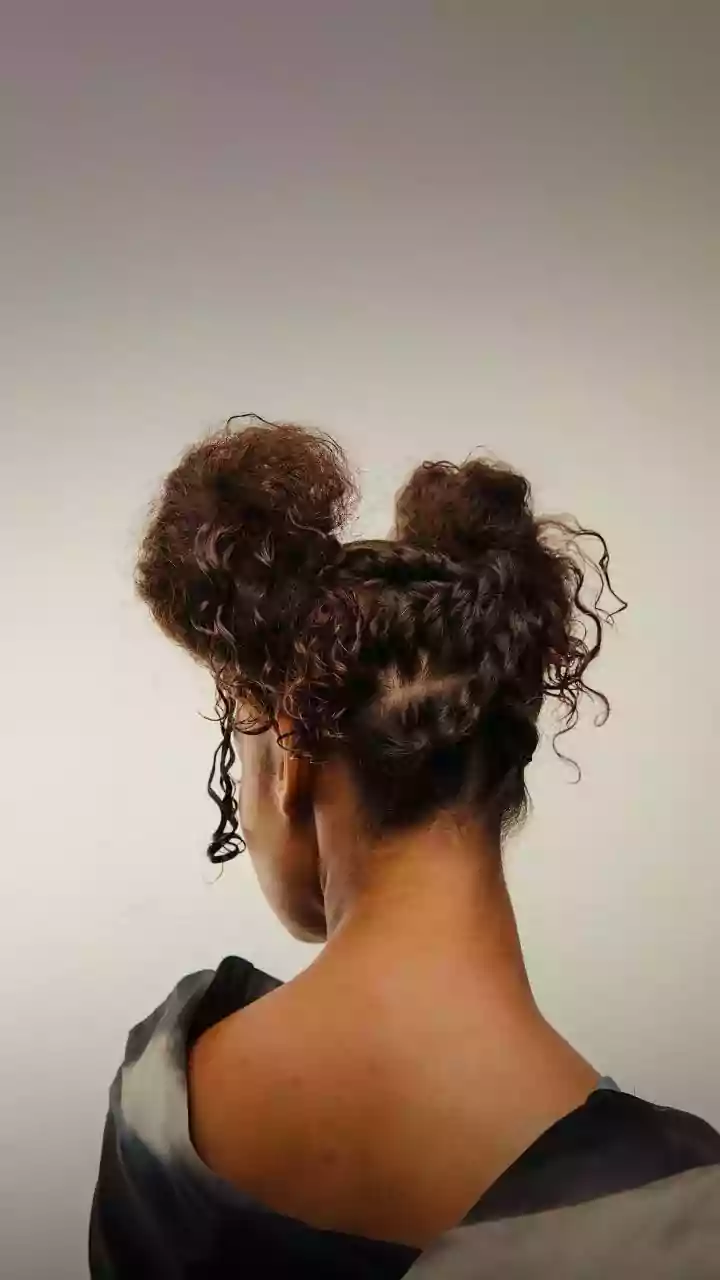
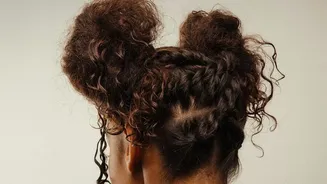
create the necessary grit for pins to hold. For those with very thick or heavy hair, a common challenge is the updo collapsing under its own weight or causing a headache. A clever trick is to divide the hair into multiple sections. Creating two ponytails or twists and combining them distributes the weight and creates a more secure, comfortable base.
The Sleek Chignon: Low and Balanced
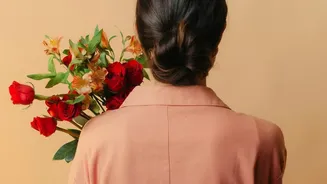
A chignon, a classic bun knotted at the nape of the neck, is the epitome of structured elegance. Its low center of gravity makes it inherently balanced and less likely to pull. For fine hair, the challenge is volume. After creating a loose low ponytail, gently tug at the hair at the crown before twisting it into a bun to create an illusion of fullness. Using a foam donut can also add significant size. For thick hair, the goal is control. Smooth the hair with a styling cream and secure the ponytail tightly. To manage the bulk, you can braid the ponytail before wrapping it into a bun, which helps contain the hair neatly. U-shaped pins often grip thick hair better than standard bobby pins.
The Modern French Twist: Vertical Hold
The French twist is a vertical roll of hair pinned against the back of the head. Its main balance challenge is preventing it from unfurling. The trick is to create an anchor. For all hair types, start by backcombing the roots to build texture. For thick hair, a game-changing technique is to divide the hair into a top and bottom section. Twist and pin the bottom section first, then twist the top section over it. This splits the weight and provides a much stronger hold. For fine hair, which can slip out easily, creating a row of pinned-in-place, crisscrossed bobby pins vertically up the back of the head first provides a 'track' for the twist to grip onto.
The Braided Crown: A Distributed Halo
A braided crown or milkmaid braid offers excellent balance because the weight is distributed across the top of the head like a headband. The style starts with two braids, one on each side. For those with fine or shorter hair, the braids might not have enough length or volume. The solution is to 'pancake' the braids by gently pulling the edges of each plait outwards. This makes them look significantly wider and fuller before you pin them over the crown. For curly hair, the natural texture provides great volume and grip. You can simply cross the braids over the top and pin them, leaving a few tendrils out to frame the face for a softer look.
The Sculptural High Ponytail: Defying Gravity
A high ponytail can be structured and sleek, but heavy hair can cause it to droop. The professional secret to a perky, balanced high pony is the doublepony technique. Create one ponytail with the top half of your hair at the crown. Then, create a second ponytail directly beneath it with any remaining hair... [Note structure preserved as per instructions]