






The Weekend Exodus and Gridlock
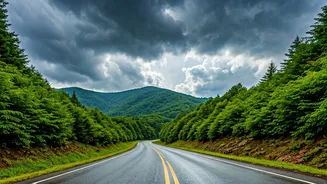
Every long weekend, a familiar story unfolds on the roads leading out of Bengaluru. Highways towards Mysuru, Tumakuru, and Mangaluru become parking lots as thousands flee the city for popular monsoon destinations like Coorg, Chikkamagaluru, and Nandi
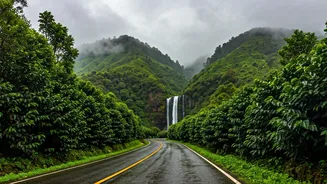
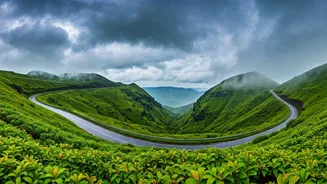
Hills. This mass exodus creates kilometre-long traffic snarls, especially near toll plazas, turning a three-hour journey into a five-hour ordeal. The destination itself often offers little respite. Popular spots like Nandi Hills are frequently overwhelmed by a heavy influx of vehicles, leading to gridlock on the narrow ghat roads and forcing authorities to periodically restrict entry. The dream of a serene natural escape is quickly shattered by the reality of jostling crowds and blaring horns, leaving many to wonder if the trip was worth the trouble.
A Rising Tide of Safety Concerns
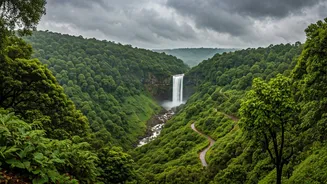
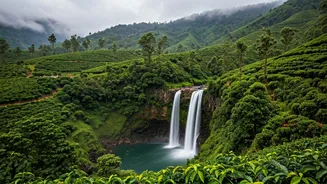
Beyond the frustration of overcrowding lies a more serious issue: public safety. Waterfalls, swollen with monsoon rains, become treacherous attractions. Recent incidents serve as grim reminders of the dangers. Just last month, three tourists from Bengaluru were swept away by strong currents at Pathankayam waterfalls, although they were fortunately rescued. Sadly, their local guide was lost to the river. Other sites have seen repeated drownings over the years, with visitors often ignoring warning signs and venturing into prohibited, high-risk areas. These tragedies highlight a critical failure to implement and enforce adequate safety measures at these popular but perilous spots. The lack of guardrails, emergency personnel, and clear danger-zone marking turns a fun outing into a life-threatening gamble.
The Unseen Environmental Toll
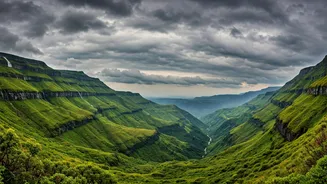
The explosion in unregulated tourism is leaving deep scars on the fragile ecosystems of the Western Ghats. The influx of visitors leads to rampant littering, with plastic bottles and food waste turning pristine landscapes into garbage dumps. Unchecked trekking and off-roading activities cause soil erosion, damage grasslands, and disturb wildlife habitats. The mushrooming of illegal homestays and resorts, often built by encroaching on forest land, puts immense pressure on local resources and accelerates land degradation. Environmentalists warn that this unchecked development, coupled with road widening projects in sensitive zones, increases the susceptibility of these hillslopes to devastating landslides, posing a threat to both tourists and local communities.
What 'Smarter Rules' Could Look Like
The solution is not to ban tourism, but to manage it intelligently. Authorities must move beyond reactive measures and implement a proactive strategy for sustainable tourism. A crucial first step is to conduct 'carrying capacity' studies for popular destinations to determine the maximum number of visitors an area can handle without causing irreversible damage. Based on this, a system of online booking and timed-entry slots, already proposed for some trekking routes, could be implemented across all high-traffic spots. This would regulate visitor flow and prevent the chaotic scenes currently witnessed. Furthermore, creating designated parking zones away from the core tourist area, with mandatory shuttle services, can ease traffic congestion. Stricter enforcement of fines for littering and a ban on single-use plastics in eco-sensitive zones are also essential. Empowering local communities by making local guides mandatory for trekking groups could enhance safety and provide employment.