








1. Master Your Kitchen Waste
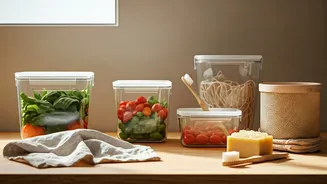
The kitchen is often the biggest source of household waste in India, but it’s also the easiest place to start. Begin by planning your meals for the week. This simple act prevents over-buying produce that wilts in the fridge. Shop from your local sabziwala,
who allows you to buy exactly the quantity you need, unlike pre-packaged supermarket goods. Embrace 'root-to-leaf' cooking—use cauliflower leaves for a stir-fry, or turn vegetable peels into a flavourful stock. For unavoidable scraps, composting is a game-changer. A simple terracotta pot (khamha) on a balcony can transform your wet waste into nutrient-rich compost for houseplants, closing the loop and reducing what goes into municipal bins.
2. Ditch Disposables On the Go
Our modern, fast-paced lives rely heavily on single-use items. The solution is to create a simple 'zero-waste kit'. It doesn’t have to be fancy. A cloth bag for impromptu shopping, a reusable water bottle to refill throughout the day, and a steel tiffin or container for takeaways are the essentials. Keep this kit in your work bag or vehicle. The next time you order street food or grab a coffee, you can politely refuse the disposable packaging. This small habit has a massive impact, not only on landfill but also on your mindset, making you more conscious of consumption every time you step out.
3. Curate a Conscious Closet
Fast fashion offers instant gratification but creates enormous textile waste. Living better means shifting your focus from quantity to quality. Invest in timeless, well-made garments that you will wear for years. Before buying something new, ask yourself: 'Will I wear this at least 30 times?' Learn the simple art of repair—sewing on a button or mending a small tear can give an old favourite a new lease on life. When you do need to let go of clothing, don't just discard it. Donate it to local charities, or find services that upcycle old fabrics into new products. A smaller, more thoughtful wardrobe means less decision fatigue in the morning and a style that is truly your own.
4. Embrace the Power of 'No'
One of the most effective ways to reduce waste is to prevent it from entering your home in the first place. This means learning to politely but firmly say 'no.' No to the plastic bag at the checkout counter. No to the complimentary toiletries in a hotel that you won’t use. No to the flyer being handed to you on the street. Each item you refuse is one less thing to manage, store, and eventually throw away. This isn't about being rude; it's about being intentional. This practice declutters your life and sends a powerful message to businesses that consumers are demanding less wasteful options.
5. Go Digital, But Mindfully
Switching to digital can significantly reduce paper waste. Opt for e-bills instead of paper statements for your utilities, phone, and banking. Read news and magazines online. Before printing any document, ask if it's truly necessary. However, be mindful of e-waste. Our old gadgets—phones, chargers, laptops—contain toxic materials and are a growing environmental problem. Instead of letting them pile up in a drawer, find certified e-waste recyclers in your city. Many brands also have take-back programmes for their old products. Responsible disposal is as important as reducing consumption.