






The Direct Hit: Flights and Hotels
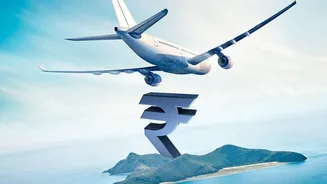
The most significant and immediate impact of a weaker rupee is on your biggest pre-trip expenses: airfare and accommodation. Airlines pay for fuel in US dollars, so as the rupee falls, their operational costs rise, often leading to higher ticket prices
for international routes. Similarly, when you book a hotel abroad, the price is set in a foreign currency. A trip that might have cost ₹2,50,000 could now be closer to ₹2,90,000, simply due to the exchange rate. This means you are paying thousands more for the exact same flight and room, directly shrinking your overall budget before you even pack your bags. Overall trip costs can rise by 12-20% due to currency depreciation alone.
Your Daily Spending Power Shrinks
Once you land, the effect of a weaker rupee follows you everywhere. Every dollar, euro, or pound you spend on food, local transport, shopping, and sightseeing costs more in rupees. That museum ticket priced at $20 or a meal costing €30 will take a bigger bite out of your wallet. For instance, at an exchange rate of ₹85 per dollar, a $50 expense costs ₹4,250. But if the rupee slips to ₹95, that same $50 expense costs ₹4,750. While it may seem small on a single transaction, these differences add up significantly over a week-long trip, forcing you to either spend more or cut back on experiences. For family trips, a budget of ₹6 lakh could easily inflate to nearly ₹7 lakh for the same itinerary.
A Major Hurdle for Students Abroad
While holidaymakers feel a temporary pinch, Indian students enrolled in foreign universities face a sustained financial challenge. Tuition fees, which are typically priced in thousands of dollars, become substantially more expensive to pay from India. A $40,000 annual fee could see an increase of lakhs of rupees. Beyond tuition, living expenses like rent, groceries, and transport also become costlier. This recurring financial pressure forces many students and their families to rework their budgets, seek additional educational loans, or cut down on discretionary spending for the entire duration of their course.
Smart Ways to Protect Your Budget
While you can't control exchange rates, you can adopt smart strategies to mitigate the impact. Booking flights and hotels well in advance can help you lock in prices before the rupee depreciates further. Using a multi-currency forex card is another effective tool; it allows you to load foreign currency at a fixed rate, protecting you from future fluctuations. It’s also wise to buy foreign currency in instalments rather than all at once to average out the cost. When paying with a card abroad, always choose to be charged in the local currency, not Indian rupees, to avoid unfavourable conversion rates applied by merchants.
Consider Rupee-Friendly Destinations
A falling rupee doesn’t have to mean cancelling your travel plans. It can be an opportunity to explore destinations where your money still goes far. Countries in Southeast Asia like Vietnam, Indonesia, and Thailand have currencies against which the rupee has remained relatively stable, offering great value for money. Similarly, destinations like Sri Lanka and Nepal can provide rich travel experiences without the high costs associated with trips to the US or Europe. Many travellers are now opting for shorter, more frequent trips to closer, value-driven destinations instead of one long, expensive holiday.