



A Hidden Source of Carbon
For decades, the primary concern around coastal erosion has been the loss of land, property, and habitats. However, recent NASA-supported research is shifting the focus to an invisible but potent consequence: the release of enormous quantities of carbon
into the ocean and atmosphere. Coastal environments like marshes, wetlands, and permafrost cliffs are what scientists call 'carbon sinks'. They store vast amounts of organic carbon—the remnants of plants and animals—locked away in their soils for centuries or even millennia. When these coastlines erode due to rising sea levels, intensifying storms, and human development, this ancient carbon is exposed. New studies, using advanced satellite imagery and field data, are providing the first comprehensive estimates of this process, revealing it to be a significant, previously undercounted factor in the global carbon cycle.
The Science of Carbon Release
The mechanism behind this carbon release is straightforward but powerful. In stable coastal soils, particularly the waterlogged, low-oxygen environments of wetlands or the frozen ground of the Arctic, organic matter decomposes very slowly. This allows carbon to accumulate over long periods. When erosion occurs, this soil is churned up and washed into the ocean. Once in the water, the organic material is exposed to different microbes and more oxygen. These microorganisms break down the carbon, converting it into greenhouse gases like carbon dioxide and methane, which can then be released into the atmosphere. While some of this carbon may be re-buried in marine sediments, a significant portion contributes to the greenhouse effect, creating a feedback loop where warming temperatures cause more erosion, which in turn releases more carbon and accelerates warming.
NASA's View From Above
Pinpointing the scale of this problem required a high-tech perspective. NASA has played a crucial role by providing funding and, most importantly, the satellite technology needed to monitor these remote and dynamic environments over decades. Researchers utilized data from the Landsat program, a joint mission with the U.S. Geological Survey, to track changes in coastal marshes along the U.S. coastlines from 1985 to 2022. This long-term data allowed scientists to quantify how much marshland has been lost and to calculate the associated carbon release. For example, one study focusing on the U.S. Gulf and Atlantic coasts estimated a net loss of around 380,000 metric tons of carbon every year, even after accounting for new marsh growth. NASA’s research programs, such as the Arctic-Boreal Vulnerability Experiment (ABoVE), also focus on vulnerable regions like the Arctic, where thawing permafrost coastlines are eroding rapidly.
Implications for India's Coastline
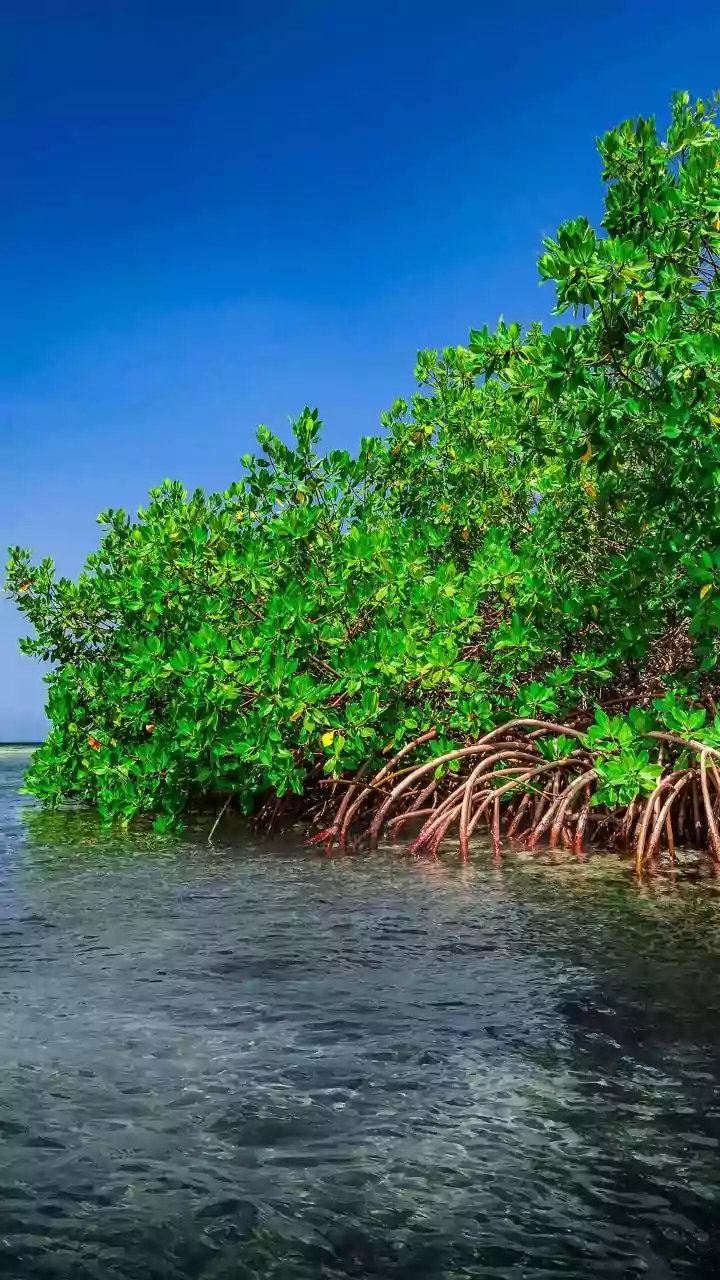
While much of the latest NASA-backed research has focused on North American and Arctic coastlines, the findings have profound implications for India. With a coastline stretching over 7,500 kilometers, India is home to diverse and vital coastal ecosystems, including extensive mangrove forests and wetlands that are also significant carbon stores. These areas are highly vulnerable to erosion driven by sea-level rise, increased storm frequency, and coastal development. The new understanding that eroding coastlines are not just a land-loss issue but also a carbon source adds a new layer of urgency to conservation and management efforts. Protecting India's coastal habitats, such as the Sundarbans mangrove forest—one of the world's largest carbon sinks—is now clearly not only a matter of protecting biodiversity and coastal communities but also a critical climate mitigation strategy.
Updating the Global Climate Picture
The revelation that coastal erosion is a notable carbon source means that current global climate models may be incomplete. For years, these models have struggled to accurately account for the complex exchange of carbon between land and sea. The new data helps fill a critical gap, suggesting that the planet's ability to absorb carbon may be overestimated if we do not account for these erosional losses. Scientists at NASA's Goddard Institute for Space Studies are now working to incorporate these findings into new, more accurate models of Earth's carbon cycle. Understanding every part of the carbon budget is essential for making accurate climate projections and developing effective strategies to combat climate change. These findings underscore that protecting our coastlines is a direct investment in the stability of our global climate.