

Which Regions Are on High Alert?
The India Meteorological Department (IMD) has issued alerts for several states due to active weather systems. As of late August, heavy to very heavy rainfall is forecast for parts of Madhya Pradesh, Chhattisgarh, Uttar Pradesh, Bihar, and Jharkhand. A red
alert was even issued for Delhi following persistent downpours that led to waterlogging and flight cancellations. The Himalayan states of Uttarakhand and Himachal Pradesh, along with northeastern states like Arunachal Pradesh, Assam, and Meghalaya, are also experiencing wet conditions with warnings for potential landslides and flash floods. In the south, Kerala and parts of Karnataka and Maharashtra continue to see widespread rain. Travellers should be aware that these conditions are dynamic and require daily monitoring.
Key Risks for Travellers
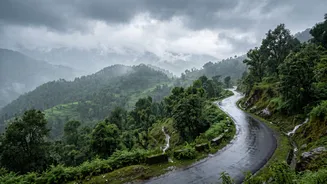
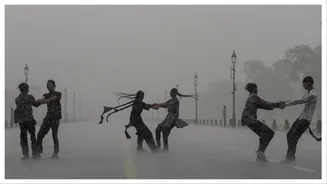
The primary dangers during this period stem from the intensity of the rain. In mountainous regions like Himachal Pradesh and Uttarakhand, the foremost risk is landslides, which can block major highways and isolate communities. Flash floods are a significant threat in several areas, with the IMD flagging risks in parts of Madhya Pradesh and eastern Uttar Pradesh, where saturated ground and overflowing rivers can lead to sudden inundation. Urban centres are not immune; cities like Delhi have experienced severe waterlogging, causing massive traffic gridlock and disrupting air travel. Airlines have issued advisories for potential delays and cancellations, urging passengers to check their flight status before heading to the airport. Similarly, rail networks can be affected by water on tracks and landslides, leading to cancellations and diversions.
Guidance for Popular Monsoon Destinations
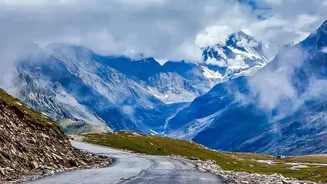
While some areas pose high risks, monsoon travel isn't universally off-limits. Destinations in rain-shadow regions, such as Ladakh and Spiti Valley, remain largely dry and are in their peak tourist season. However, accessing them by road requires caution. For those drawn to the green landscapes of the Western Ghats and Kerala, the experience can be magical, but it comes with caveats. In places like Goa, the monsoon means fewer crowds and lower hotel prices, but also closed beach shacks and rough seas. The key is to shift the focus of the trip from sunbathing to enjoying lush spice plantations and waterfalls like Dudhsagar, which are at their most spectacular. In Kerala, it's considered the ideal time for Ayurvedic treatments, and the backwaters are exceptionally beautiful, though flexibility is crucial.
Your Essential Monsoon Travel Checklist
Preparation is the most critical aspect of safe monsoon travel. Before and during your trip, make it a habit to check the latest forecasts from the IMD and advisories from local authorities. Always have a buffer of one or two days in your itinerary, especially if travelling to hilly areas, to account for unexpected road closures or delays. Pack waterproof clothing, bags, and footwear, and carry a power bank for your electronics. Inform family or friends of your detailed itinerary and stay in touch. If driving, avoid waterlogged streets and never attempt to cross flooded causeways. For those travelling by air or rail, reconfirm your bookings on the day of travel and allow for extra time to get to the airport or station.