







The Rupee, Budgets, and Bubbles
One of the most compelling reasons for this domestic pivot is simple economics. International travel has become noticeably more expensive. A weakening rupee means that trips to popular destinations in Southeast Asia, let alone Europe or the Americas,
strain the wallet more than ever. When you factor in flights, accommodation, visa fees, and the cost of diving itself, an international trip can be significantly pricier. For example, while a scuba certification course in Thailand might seem competitive, adding flights and other expenses can make a trip to India's own Andaman Islands a more financially sound choice. The cost of an entire domestic dive trip can often be equivalent to just the airfare for an international one, making the decision a practical one for many budget-conscious adventurers.
India's World-Class Underwater Treasures
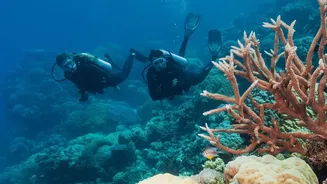
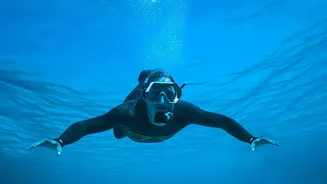
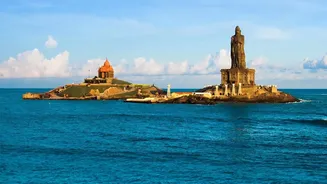
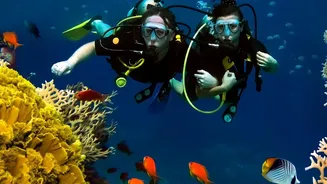
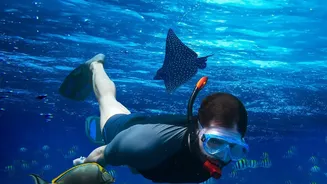
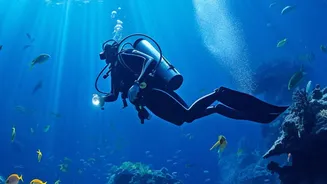
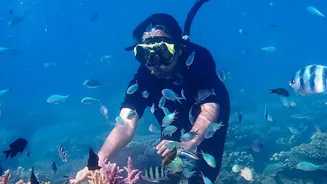
This trend isn't just about saving money; it's also about discovery. India's extensive coastline and island territories host a remarkable variety of marine ecosystems that are increasingly gaining recognition. The Andaman and Nicobar Islands, in particular, are considered a global hotspot, offering crystal-clear waters, vibrant coral reefs, and the chance to see everything from majestic manta rays to Napoleon wrasses. But the options don't end there. The Lakshadweep archipelago offers serene lagoons and untouched beauty, perfect for those seeking a quieter experience. Spots like Netrani Island in Karnataka, with its heart-shaped geography, and coastal areas near Pondicherry and Goa, are also developing strong reputations within the diving community for their unique marine life and accessibility. Many travellers are realizing they don't need a passport to have a world-class underwater experience.
Convenience and a Growing Local Dive Scene
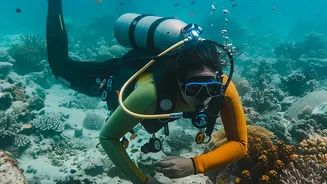
The logistics of domestic travel are undeniably simpler. It means no visa applications, no navigating complex foreign exchange, and the comfort of familiar languages and cultures. This ease of travel is a major draw, especially for weekend getaways or shorter trips. Furthermore, India's own scuba diving industry, though relatively young, has matured significantly. A decade ago, the scene was dominated by foreign tourists, but now, the majority of divers exploring these waters are Indians. The number of PADI and SSI certified dive shops has grown, making it easier than ever to get certified or simply go for a dive with reputable operators. This growing infrastructure provides the safety and professionalism that modern travellers expect, removing a key barrier that previously might have pushed them to look abroad.
A Shift in Travel Mindset
Post-pandemic travel trends have shown a massive surge in domestic tourism overall. Indians are exploring their own country with renewed enthusiasm, seeking out experiences that offer more than just a typical vacation. This broader trend extends to adventure tourism. There's a growing desire for immersive and memorable journeys that challenge and excite, and many are finding these adventures in their own backyard. Choosing to dive in India also aligns with a growing sense of environmental awareness. By opting for local destinations, travellers reduce their carbon footprint associated with long-haul flights. Many local dive operators are also involved in marine conservation efforts, giving tourists a chance to support responsible tourism that helps protect the very ecosystems they've come to admire.