




The Annual Pothole Pandemic
For anyone who drives, rides, or even walks in an Indian city, the post-monsoon pothole is a dreaded and unavoidable obstacle. These craters, which blossom overnight, are more than just an inconvenience. They cause traffic snarls, damage vehicles, lead
to accidents, and cost municipal corporations crores in repetitive, often temporary, repairs. Conventional repair methods, which usually fill holes with a hot asphalt mix, are frequently washed away by the next downpour, creating a frustrating and expensive cycle. The problem is so persistent because concrete and asphalt, for all their strength, are vulnerable to water. When water seeps into small, unavoidable cracks, it weakens the structure from within, leading to the larger collapses we know as potholes.
Enter the Concrete that Heals Itself
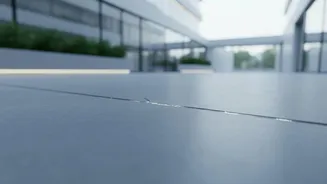
Imagine a road that, when it cracks, simply mends the gap on its own. This isn't science fiction; it's the science of self-healing concrete. At its core, this innovative material contains dormant 'healing agents' mixed right into the concrete. When a crack forms and water enters—the very process that destroys normal roads—it triggers these agents to activate and repair the damage autonomously. It's a fundamental shift from building static structures to creating dynamic ones that can respond to and fix wear and tear. While there are different methods, the most fascinating involves using nature's own microscopic engineers: bacteria.
How Do Bacteria Repair a Road?
The secret lies in mixing specific, non-harmful bacteria, such as Bacillus pasteurii, into the concrete along with a food source. These bacteria are spore-forming, meaning they can go into a dormant, hibernation-like state and survive for years, even decades, within the harsh, alkaline environment of concrete. They are often protected inside tiny capsules or porous materials to ensure their survival. When a crack forms in the road, rainwater seeps in. This is the wake-up call for the bacteria. The water dissolves their food source (typically calcium lactate) and the now-active bacteria begin to feed. As they metabolize the food, they produce limestone, or calcium carbonate, as a byproduct. This limestone precipitate steadily fills the crack, hardening into a stone-like seal that patches the damage from the inside out.
A Game-Changer for Indian Infrastructure?
The potential benefits for India are immense. Self-healing concrete could lead to roads and bridges with significantly longer lifespans, drastically reducing the endless cycle of repairs. This means safer travel, less traffic disruption, and huge long-term cost savings. With infrastructure that can withstand the rigours of the monsoon, cities could allocate funds to new projects instead of constantly patching old ones. Researchers in India are already exploring the use of indigenous bacterial strains that are better suited to our country's specific climatic conditions. The National Highways Authority of India (NHAI) is also reportedly exploring self-healing materials to tackle the pothole crisis, signaling high-level interest in such innovations.
The Roadblocks Ahead
Despite its incredible promise, you won't see self-healing roads everywhere just yet. The primary hurdle is cost. Currently, self-healing concrete is more expensive to produce than its conventional counterpart. Researchers are working to bring the price down, but for a country with vast infrastructure needs like India, the initial investment is a significant consideration. There are also questions about scalability—producing this material on a massive scale for widespread use—and the need for standardized testing to ensure its reliability in real-world conditions. While effective for micro-cracks, its ability to heal larger, more significant damage is still an area of active research.