


The Familiar Story of Monsoon Mayhem
For residents of Mumbai and Pune, the first rains trigger an almost instinctual desire to escape to the hills. Destinations like Lonavala and Mahabaleshwar have long been the default choice. However, this popularity comes at a steep price. The experience
is often defined by bumper-to-bumper traffic on the expressways, overflowing tourist points, and a constant jostle for space. Popular spots like Bhushi Dam and Tiger Point become less about natural beauty and more about crowd management. This commercialised and congested environment is precisely what the modern 'monsoon explorer' seeks to avoid. They are not just looking for a waterfall; they are seeking tranquility, a genuine connection with nature, and a break from the very urban chaos they are leaving behind.
Bhandardara: The Sahyadri’s Serene Secret
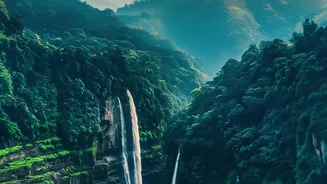
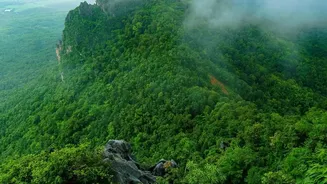
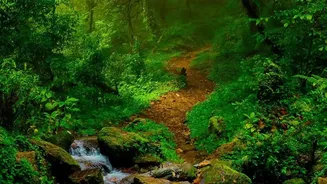
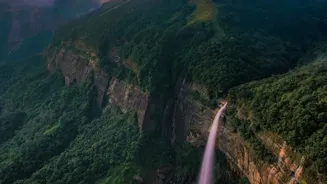
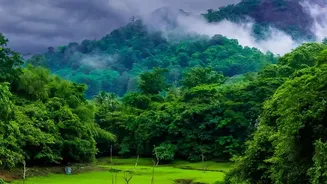
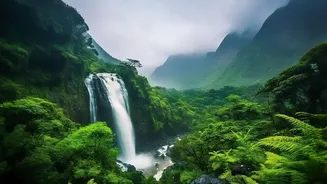
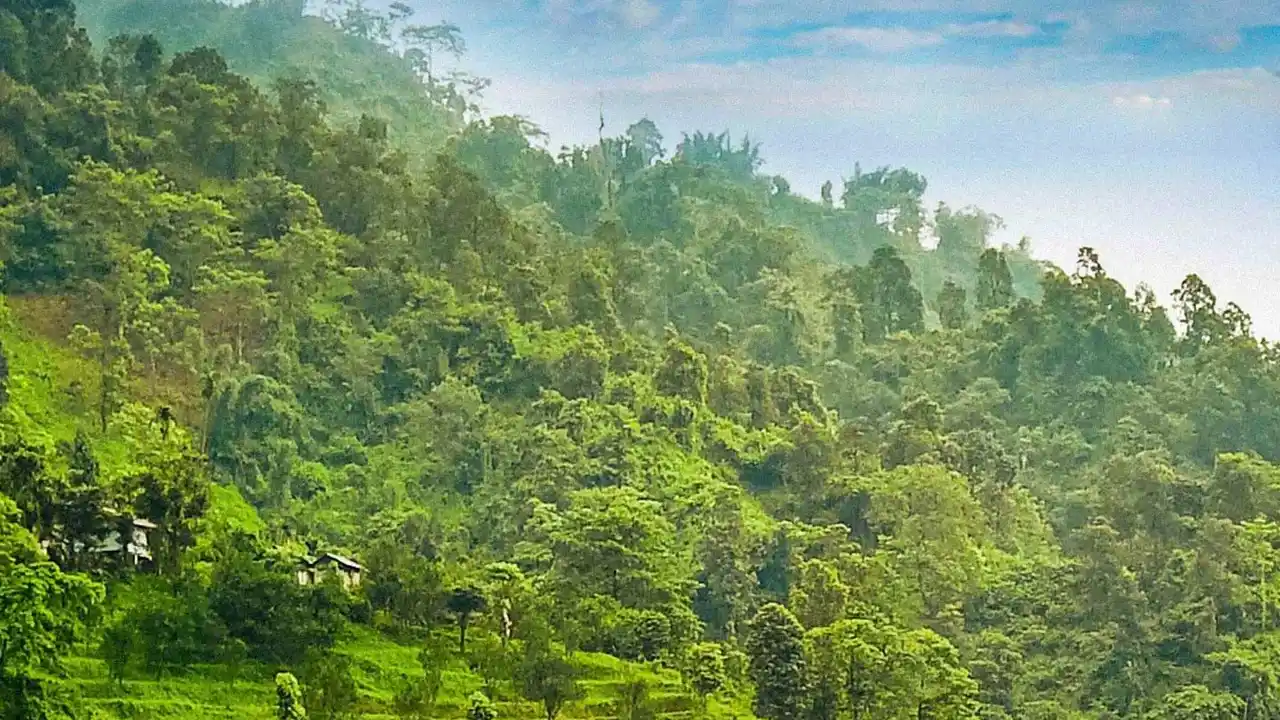
Nestled in the Sahyadri ranges of Ahmednagar district, Bhandardara offers a compelling alternative. While it is home to well-known attractions, the region retains a quieter, less commercialised character. The journey itself, though longer than a trip to Lonavala, filters out the casual crowds, leaving the landscape for those who truly appreciate it. During the monsoon, this region transforms into a vibrant green paradise. Low-hanging clouds drift across misty hills, and innumerable small, unnamed waterfalls spring to life, turning ordinary roads into scenic drives. It’s a place that doesn't just look beautiful in the rain; it feels like it comes alive because of it.
Beyond the Obvious: A Symphony of Waterfalls
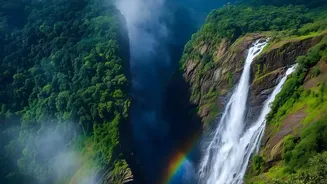
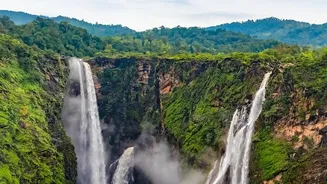
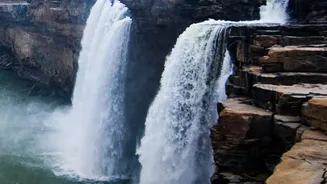
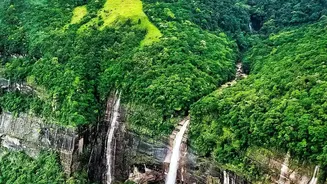
Bhandardara’s appeal lies in its diversity of waterfalls. While Randha Falls, a powerful cascade of the Pravara River plunging 170 feet, is a major draw, and the seasonal Umbrella Falls, which appears when Wilson Dam overflows, is a unique spectacle, the real magic lies off the beaten path. Explorers are rewarded with countless smaller, seasonal cascades that appear all over the region, often with no one else in sight. Tour circuits have even emerged to help visitors discover these hidden gems, with names like Necklace, Bahubali, and Vasundhara waterfalls being part of the local lexicon. This element of discovery—of stumbling upon a pristine cascade down a winding road—is a core part of the Bhandardara experience.
An Immersion in Nature and History
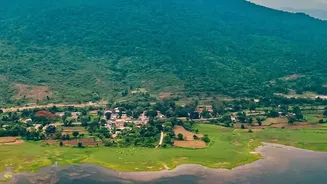
The experience in Bhandardara is more holistic than a simple viewpoint visit. The heart of the region is the serene Arthur Lake, formed by the backwaters of the historic Wilson Dam, one of India's oldest. The tranquil lake, surrounded by lush hills, offers a peaceful atmosphere that stands in stark contrast to the noisy tourist hubs elsewhere. For the more adventurous, the area is a trekker's paradise. It serves as the base for treks to Ratangad Fort and Mount Kalsubai, the highest peak in Maharashtra. These trails offer panoramic views and a deep dive into the raw beauty of the Western Ghats. A visit to the ancient Amruteshwar Temple, a beautifully carved stone temple dating back over a thousand years, adds a touch of historical and spiritual depth to the journey.
The Explorer’s Checklist
Choosing Bhandardara is about choosing a different kind of travel. It’s for those who prefer the sounds of nature over loud music, who find joy in a quiet walk by a lake, and who are willing to travel a bit further for authenticity. The best time to visit is during the peak monsoon months of July through September, when the waterfalls are at their fullest and the landscape is at its most vibrant. Being approximately 165 km from Mumbai and 175 km from Pune, it's an ideal destination for a two or three-day trip. Good trekking shoes, rain gear, and a spirit of adventure are essential. While the roads can be challenging in patches, the breathtaking views of mist-covered valleys and gushing streams are more than worth the effort.