


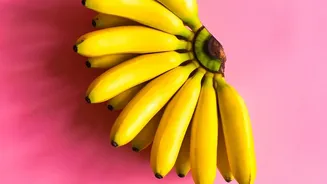
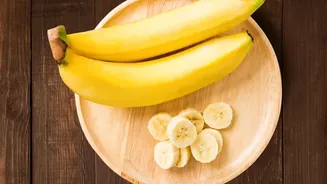

Is a green banana better than a yellow one? This common kitchen counter question has a surprisingly complex answer. The nutritional profile of a banana, especially its carbohydrate content, transforms dramatically as it ripens.
The Great Carbohydrate Transformation
The primary difference between
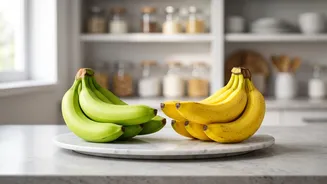
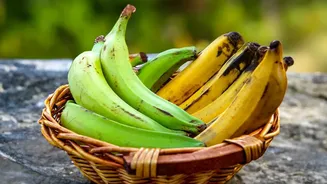
a raw, green banana and a soft, ripe one lies in how it stores carbohydrates. An unripe banana is packed with resistant starch, a complex carb that, as its name suggests, resists digestion in your small intestine. In fact, a green banana's carbohydrates can be up to 80% starch. As the banana ripens, a natural enzymatic process converts this starch into simple sugars like sucrose, fructose, and glucose. This is why a yellow, spotty banana tastes significantly sweeter than its firm, green counterpart, which can have a slightly bitter or astringent flavour. By the time a banana is fully ripe, its starch content can drop to as low as 1%.
Green Bananas: The Gut-Friendly Choice
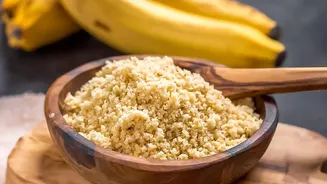
The high concentration of resistant starch in green bananas offers unique benefits. Because it passes through the small intestine undigested, it functions similarly to dietary fibre. It travels to the colon, where it becomes food for beneficial gut bacteria. This prebiotic effect supports a healthy digestive system. Furthermore, this slow-digesting starch promotes a feeling of fullness, which can help with appetite management. The firm, waxy texture of green bananas makes them a great addition to smoothies or even cooked in savoury dishes, where they behave more like a starchy vegetable.
Yellow Bananas: The Quick Energy Source
When you need a fast and easily digestible source of energy, a ripe yellow banana is the superior choice. The conversion of starch to simple sugars means your body can absorb and utilise the energy quickly, making it an ideal snack before or after a workout. The breakdown of starches and another fibre called pectin also makes the fruit softer and easier for the body to process. While they still contain valuable nutrients like potassium and vitamin B6, their primary advantage is providing a swift, natural energy boost thanks to their higher sugar content.
Blood Sugar and Glycemic Index
For individuals monitoring their blood sugar, the ripeness of a banana is a critical factor. Green bananas have a low glycemic index (GI), a measure of how quickly a food raises blood glucose levels. The GI of a green banana is estimated to be around 30 to 42. As the banana ripens and the starches turn to sugar, the GI rises. A fully ripe banana with brown spots can have a GI of 62 or higher, placing it in the medium range. This means green bananas lead to a slower, more gradual increase in blood sugar, making them a more suitable option for people with insulin sensitivity or diabetes.
Nutrients and Antioxidants
While the carbohydrate story is the most dramatic, other nutritional changes also occur. Core micronutrients like potassium, vitamin B6, and vitamin C are present in both green and yellow bananas. However, some research suggests that levels of water_soluble vitamins may decrease slightly as the fruit ages. Conversely, the antioxidant levels in bananas appear to increase as they ripen. Those brown spots on a very ripe banana peel are visual indicators of this process, where chlorophyll breaks down and antioxidant compounds become more prominent.
Which Banana Is Best for You?
There is no single 'healthiest' banana; the best choice depends entirely on your personal health goals and needs. If you are focused on gut health, managing blood sugar levels, and promoting a feeling of fullness, a greener banana with its high resistant starch content is your best bet. If you need a quick source of energy for physical activity, a sweeter, ripe yellow banana is more effective because its sugars are readily available and it's easier to digest. Ultimately, both forms of this versatile fruit offer significant nutritional value.