





Why Humid Air Changes the Game
Exercising during the monsoon feels harder for a reason, and it’s not just in your head. The core issue is your body's cooling system. Normally, you sweat, and as that sweat evaporates, it cools your skin. However, when the air is already saturated with
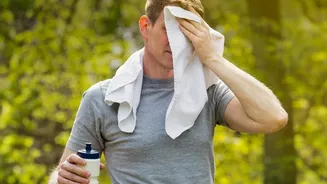
moisture, evaporation slows down dramatically. Your body continues to produce sweat in an effort to cool down, but it just drips off without providing the same cooling effect. This inefficiency forces your body to work harder, increasing your core temperature, heart rate, and how tired you feel, even at a slower pace. This physiological stress is why a run that feels easy in dry weather can feel incredibly demanding during a humid monsoon day.
Flex Your Effort, Not Just Your Muscles
The golden rule of monsoon training is to listen to your body, not just your GPS watch. Chasing the same pace or intensity as you would in cooler, drier weather can lead to overheating and exhaustion. Instead, focus on your rate of perceived exertion (RPE) — how hard the workout feels. If an easy run feels moderately hard, slow down. It's also wise to adjust the timing of your workouts. While early mornings are often cooler, humidity can be at its highest then. Check the hourly forecast and consider an evening session when both temperature and humidity might be lower. During prolonged periods of high humidity, it's also smart to reduce the frequency of your most intense training sessions to allow your body more time to adapt and recover.
Dress for Success: Fabric is Key
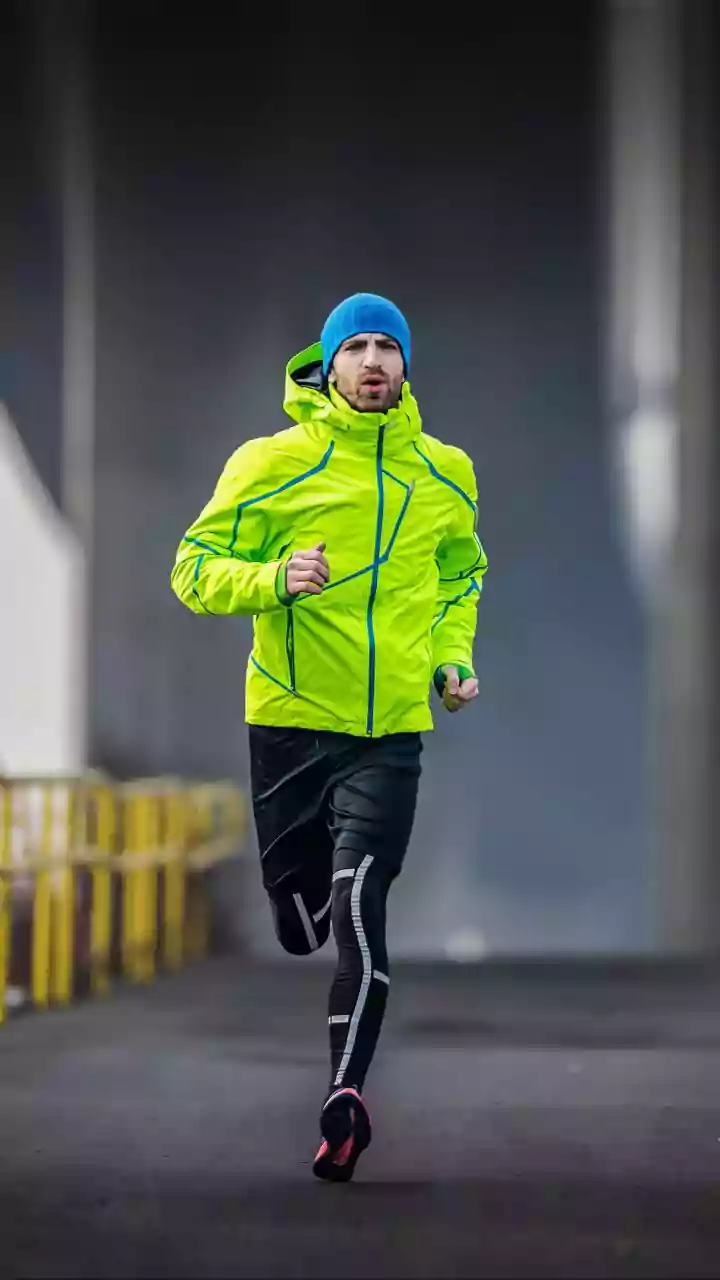
Your choice of clothing is your first line of defence against the oppressive humidity. The number one rule is to avoid cotton. Cotton absorbs moisture and becomes heavy, clinging to your skin and trapping heat. Instead, opt for lightweight, synthetic fabrics like polyester or nylon blends specifically designed to be moisture-wicking. These materials pull sweat away from your skin to the fabric's outer surface, where it can evaporate more easily, helping your body's cooling process. Look for gear that is light-coloured to reflect the sun, and loose-fitting to allow for better airflow. Ventilated panels, mesh construction, and even chafe-free designs can make a significant difference in comfort and performance.
Recovery: Hydration and Cooling
Effective recovery is non-negotiable when training in high humidity. Since you're sweating more, you're losing not just water but also essential minerals called electrolytes, such as sodium and potassium, which are vital for muscle function and fluid balance. For workouts lasting longer than an hour, water alone may not be enough. Consider an electrolyte drink or coconut water to replenish what you've lost. You can also get electrolytes from foods like bananas, yoghurt, citrus fruits, and leafy greens. Don’t wait until you feel thirsty to drink, as thirst is an early sign of dehydration. Start hydrating a couple of hours before your workout and continue sipping regularly throughout. After your session, focus on cooling down in a shaded or air-conditioned space and continue to rehydrate.