


Why Going Native Matters
Many gardeners choose plants for their beauty alone, often opting for exotic species. However, local wildlife has co-evolved with native plants over thousands of years. These indigenous species provide the specific nectar, pollen, and foliage that local bees,
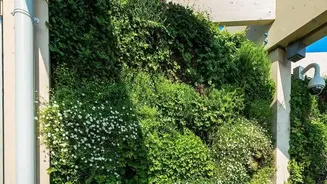
butterflies, and birds need to thrive. Native plants are also better adapted to the local climate and soil, meaning they typically require less water, fertilizer, and pesticides to flourish. This creates a healthier, more resilient garden that serves as a vital food source and shelter for displaced wildlife, turning your small space into a crucial link in the local food web.
Planting for Pollinators: Bees and Butterflies
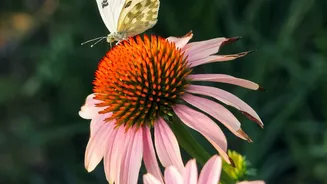
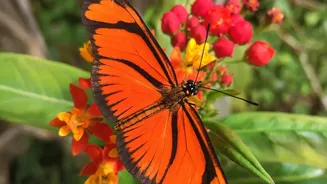
To attract bees and butterflies, focus on flowers that are rich in nectar and pollen. Many traditional Indian plants are perfect for this. Marigolds (Genda) are easy to grow and attract various pollinators. Holy Basil (Tulsi) is another powerhouse; its small flowers are a favourite for bees. Other excellent choices include the vibrant Hibiscus, which offers plenty of nectar, and Cosmos, whose simple, open flowers are easily accessible to bees. For butterflies, consider planting host plants where they can lay their eggs. For example, the Curry Leaf plant is a host for the Common Mormon butterfly. Including a mix of plants that bloom at different times ensures a consistent food supply throughout the seasons.
Creating a Haven for Birds
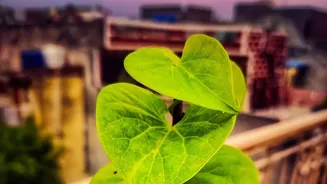
Attracting birds involves providing more than just flowers; they need food, water, and shelter. Planting native fruit and berry-producing plants like Jamun, Fig, or Mulberry offers a natural food source. Trees like the Peepal and Neem are also excellent for attracting a wide variety of birds. Flowers with red, nectar-rich blossoms, such as the Indian Coral Tree (Erythrina variegata), are particularly appealing to nectar-loving birds. To make them feel secure, plant dense shrubs or bamboo clusters that provide cover from predators and the elements. A quiet, sheltered spot is more likely to encourage birds to nest and stay.
Beyond the Blooms: Building a Complete Habitat
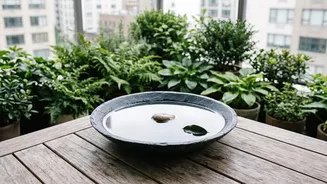
A truly useful urban garden provides a complete habitat. One of the most critical elements is a consistent source of water. A shallow dish, bowl, or a birdbath provides a place for birds and insects to drink and bathe. Ensure the water is kept clean to prevent mosquitoes. Equally important is to avoid chemical pesticides and fertilizers. These chemicals can be toxic to birds and eliminate the insects that they, and their chicks, rely on for protein. Opt for organic methods like using compost or neem oil. Lastly, creating safe, undisturbed corners with a small pile of leaves or twigs can provide shelter and natural foraging opportunities for ground-feeding birds and beneficial insects.