




The New Space Race: AI in Orbit
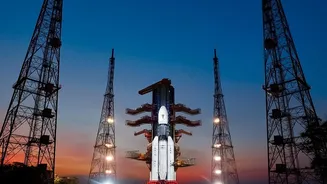
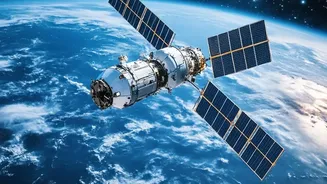
The role of Artificial Intelligence in space is no longer science fiction; it is a reality that is transforming the industry. AI algorithms are crucial for managing satellite constellations, navigating rovers on distant planets like Mars, and analyzing
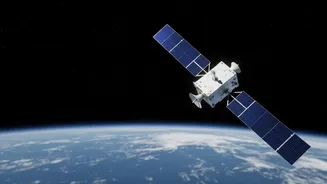
vast amounts of data beamed back to Earth. In India, the change is palpable. A new generation of startups is building satellites that don't just collect data, but process it in orbit using AI. Companies like Pixxel and Sarvam AI are collaborating to launch orbital data centres, aiming to provide real-time insights for everything from climate monitoring to disaster management. This shift means the industry needs more than just rocket scientists; it needs people who can build and manage intelligent systems in the final frontier.
Building Your Academic Foundation
A strong educational base is the launchpad for a career in this field. While a traditional B.Tech in Aerospace Engineering is a solid start, the modern space industry is interdisciplinary. Degrees in Computer Science, Electronics & Communication, and especially dedicated programs in AI and Machine Learning are highly valuable. Premier institutes like the IITs in Hyderabad and Delhi now offer specialized B.Tech programs in AI. For those looking for a direct path, the Indian Institute of Space Science and Technology (IIST) offers courses tailored for ISRO's needs, while other universities are introducing degrees that combine space technology with AI. A strong foundation in Physics, Chemistry, and Mathematics (PCM) at the 12th-grade level is essential.
Essential Skills for the AI-Powered Space Sector
Beyond a degree, specific skills will make you a prime candidate. Proficiency in programming languages, particularly Python, is non-negotiable. Deep knowledge of AI, machine learning algorithms, and data science is what sets a candidate apart. These skills are applied to analyse satellite imagery, manage autonomous systems, and even for predictive maintenance of spacecraft. Familiarity with tools like MATLAB and data visualization software is also critical. However, technical skills are only part of the equation. The industry values strong analytical and problem-solving abilities, critical thinking, and a genuine passion for aerospace.
Beyond the Classroom: Gaining Practical Experience
Theoretical knowledge must be paired with hands-on experience. Actively seek internships at organizations like ISRO and the growing number of private space companies. ISRO periodically offers free courses and internships for students, providing invaluable exposure to real-world space applications of AI. Participate in hackathons and innovation challenges, such as those sponsored by NASA or other space-tech firms, to build a portfolio. Creating personal projects, like building a small satellite (CubeSat) model or developing an algorithm to analyze public satellite data, demonstrates initiative and practical ability. This hands-on work is what turns a student into a hireable engineer.
Navigating the Indian Space Ecosystem
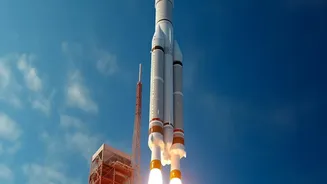
While ISRO remains the cornerstone of India's space program, the landscape is rapidly expanding thanks to a boom in private enterprise. The Indian government, through initiatives like IN-SPACe, is actively funding and authorizing private companies, creating a vibrant job market. Firms like Skyroot Aerospace, Agnikul Cosmos, Dhruva Space, and SatSure are not just launching rockets but are also heavily involved in satellite services and AI-driven analytics. These startups are aggressively hiring engineers and data scientists. Understanding this ecosystem and networking with professionals in these companies can open doors that go beyond government recruitment channels.