





Why Marigolds Are a Beginner’s Best Friend
Marigolds are one of the most popular flowers in India, and for good reason. They are famously easy to grow, thriving in a wide range of soil types and requiring minimal maintenance. Their love for full sun and tolerance for hot summers makes them perfectly
suited to the Indian climate. For anyone new to gardening, these resilient flowers offer a rewarding experience with a high chance of success. They germinate quickly, grow into compact and tidy bushes, and bloom profusely from summer well into autumn, providing months of vibrant colour with very little fuss. This forgiving nature makes them an ideal first step into the world of gardening.
A Welcome Mat for Pollinators
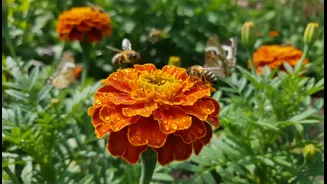
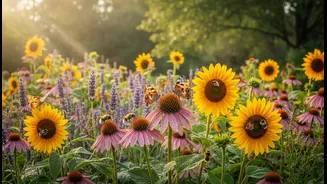
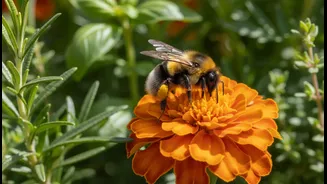
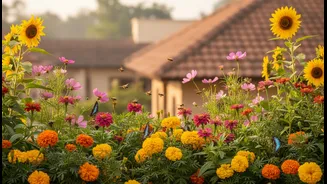
Beyond their beauty and ease of care, marigolds are a valuable food source for pollinators like bees, butterflies, hoverflies, and moths. In a world where pollinator populations are threatened by habitat loss and climate change, planting flowers like marigolds is a simple yet powerful act of support. These insects are crucial for our food system, responsible for pollinating everything from mangoes and cucumbers to mustard. The bright yellow and orange blooms of marigolds act as a visual beacon, drawing in these beneficial insects and providing them with the nectar and pollen they need to thrive.
Not All Marigolds Are Created Equal
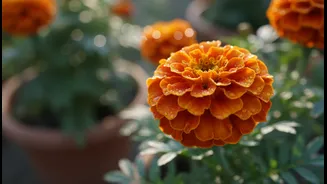
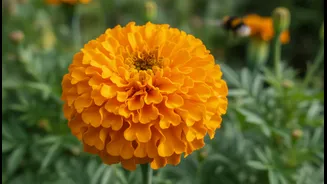
While many marigolds are great for pollinators, it’s important to choose the right kind. Many modern, highly-bred varieties with dense, double-petal blooms can be difficult for bees to access. These 'triploid' hybrids, a cross between African and French types, might look spectacular, but their tightly packed petals often hide the nectar and pollen. For maximum pollinator benefit, opt for single-bloom or open-faced varieties. French marigolds (Tagetes patula) and Signet marigolds (Tagetes tenuifolia) are excellent choices because their open centres allow pollinators easy access. Heirloom and open-pollinated varieties are generally a safe bet for creating a pollinator-friendly garden.
How to Plant and Care for Your Marigolds
Getting started with marigolds is simple. You can grow them from seeds or buy young plants. They thrive in full sun, needing at least six hours of direct sunlight per day. While they tolerate most soils, they do best in well-draining, fertile soil. If planting seeds, sow them about a quarter-inch deep. Whether using seeds or transplants, space smaller French varieties about 8-10 inches apart and larger African varieties 10-12 inches apart to ensure good air circulation. Water them regularly until they are established, and then let the soil dry out a bit between waterings. One of the best parts about marigold care is that they don't require much pruning, though removing spent blooms (a process called deadheading) will encourage even more flowers.
The Garden’s Multitasking Hero
Marigolds do more than just attract pollinators; they are also fantastic companion plants for vegetable gardens. Their strong scent is known to deter a range of common pests, including aphids and whiteflies. French marigolds, in particular, release a substance from their roots that can repel harmful root-knot nematodes in the soil, which are known to damage crops like tomatoes and cucumbers. By planting marigolds near your vegetables, you can help protect them from pests naturally, reducing the need for chemical pesticides. They also attract other beneficial insects like ladybugs and parasitic wasps, which prey on garden pests, creating a balanced and healthy mini-ecosystem.