


The Science of the Wilt
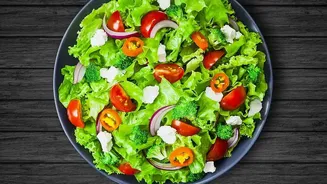
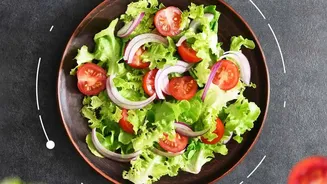
The main reason to let cooked ingredients cool is to prevent your fresh greens from wilting. Delicate leaves, like romaine, iceberg, or butter lettuce, have cell walls that provide their structure and crispness. These cells are full of water. When hot
food—anything above 60°C—touches these leaves, the heat damages the cell membranes. This causes the cells to burst, release their water, and lose their firmness, resulting in a sad, limp, and soggy texture. It's the same reason a plant droops in intense heat; the cells lose their internal water pressure. By allowing cooked items to reach room temperature or cooler, you protect the structural integrity of your greens, ensuring every bite is as crisp as the first.
Beyond the Wilt: Texture and Flavour
The damage from premature heat isn't just about wilting. Adding warm components can negatively affect the entire salad bowl. The steam and moisture from hot ingredients can make other crisp raw vegetables, like cucumbers and bell peppers, lose their snap. It can also cause problems with your dressing. A cold, crisp salad keeps a vinaigrette emulsified and bright. Heat can cause some dressings, especially creamy ones, to separate or become oily, resulting in a greasy coating rather than a fresh one. Cheese can also be a victim; firm, crumbly cheeses like feta might melt into a messy paste. By cooling everything, you ensure each ingredient maintains its intended texture and flavour, creating a more dynamic and enjoyable dish.
The Right Way to Cool Down Quickly and Safely
Patience is a virtue, but you don't have to wait for hours. The key is to cool food efficiently and safely. According to food safety guidelines, cooked food should be cooled from 60°C to 21°C within two hours, and then to 4°C or colder within another four hours to prevent bacterial growth. Simply putting a large, hot container in the fridge isn't effective and can raise the temperature inside, endangering other foods. Instead, use these methods: spread ingredients like roasted vegetables or grains in a single layer on a baking sheet to increase surface area. For items like shredded chicken or beans, you can place them in a metal bowl set inside a larger bowl of ice water (an ice bath), stirring occasionally to speed up the process. Cutting larger items into smaller pieces also helps them cool faster.
Plan for Salad Success
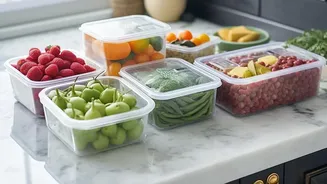
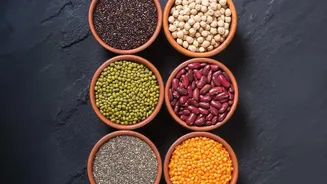
The best way to ensure your salad components are perfectly cooled is to plan ahead. Meal prepping is your best friend. Cook your proteins—like chicken, paneer, or chickpeas—and grains like quinoa or millets a day or two in advance. Store them in the refrigerator in separate containers. When you're ready to assemble your salad, all the elements are chilled and ready to go. This not only saves you time on busy weekdays but also guarantees a perfectly crisp and refreshing meal. If you're cooking an ingredient right before eating, simply follow the quick-cooling methods mentioned above. Just 15-20 minutes on a baking sheet or in an ice bath can make a world of difference.
Are There Exceptions? When Warmth Works
While the rule of cooling is essential for delicate greens, there are exceptions. 'Warm salads' are a delicious category of their own, but they rely on specific principles. These dishes typically use sturdy, robust greens like kale, spinach, or radicchio that can withstand a bit of heat and may even benefit from a slight softening. In these cases, the warm ingredient—often paired with a warm vinaigrette—is meant to gently wilt the greens. The key is intention. For a traditional crisp salad, cold is the rule. For a warm wilted salad, you choose heartier greens that will hold up and serve it immediately after tossing.