

In a world where we spend hours sitting, our bodies often pay the price with tight hamstrings and shallow breathing. The Seated Forward Bend, or Paschimottanasana, offers a simple yet profound way to counter this daily toll.
The Essence of the Seated Forward Bend
Paschimottanasana, which translates
from Sanskrit, refers to an intense stretch of the 'west' side of the body—or the entire back, from your heels to your head. It’s a foundational yoga pose revered for its ability to create a deep stretch along the hamstrings, calves, and spine. But beyond its physical benefits, this posture is known for its profoundly calming effect on the nervous system, encouraging a state of introspection and relaxation. It’s a quiet pose that asks you to turn your attention inward, making it a powerful tool for stress relief in a busy world.
Your Breath Is the Guide
The true magic of Paschimottanasana lies in its partnership with the breath. The technique is simple: with every inhalation, you focus on lengthening your spine, creating space between the vertebrae. With every exhalation, you surrender a little more into the forward fold, deepening the stretch not through force, but through release. This conscious breathing does more than just facilitate a physical stretch; it activates the parasympathetic nervous system, often called the 'rest and digest' system. This signals your body to slow your heart rate, reduce anxiety, and shift from a state of stress to one of calm. The gentle compression on the abdomen also massages the digestive organs, which can help stimulate digestion and relieve bloating.
A Step-by-Step Guide to the Pose
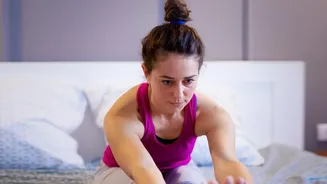
To practise safely and effectively, start by sitting on the floor with your legs extended straight in front of you in Staff Pose (Dandasana). Keep your spine erect and your toes flexed toward the ceiling. Inhale and raise your arms above your head, lengthening your entire torso. As you exhale, begin to hinge forward from your hips, not your waist. The goal is to bring your abdomen toward your thighs, rather than just rounding your back to bring your head to your knees. Let your hands rest wherever they comfortably reach—your shins, ankles, or feet. On each inhale, try to lengthen your spine a little more; on each exhale, see if you can fold deeper. Hold for 30 to 60 seconds, breathing steadily. To come out, inhale as you lift your torso and return to a seated position.
Common Mistakes to Avoid
One of the most frequent mistakes is rounding the lower back to force your head to touch your knees. This puts unnecessary strain on the spine and negates many of the pose's benefits. Always prioritise a long spine over the depth of your fold. Another common error is pulling forcefully with your arms to yank yourself deeper into the stretch, which can cause injury. Instead, use your breath to ease into the posture. Lastly, avoid holding your breath. Tense, shallow breathing signals to your muscles that they are in danger, causing them to tighten up and resist the stretch.
Modifications for Every Body
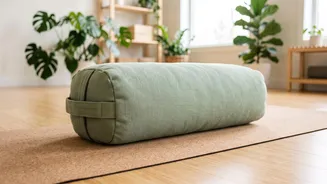
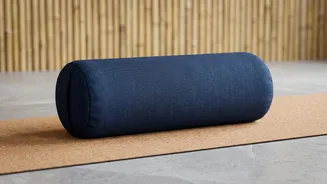
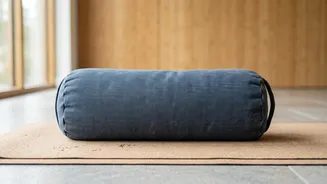
This pose should be accessible, not intimidating. If you have tight hamstrings, the most effective modification is to bend your knees generously. This allows your pelvis to tilt forward correctly and protects your lower back. You can also sit on the edge of a folded blanket to elevate your hips, which makes hinging forward much easier. If your hands don't reach your feet, don't worry. Use a yoga strap, a belt, or a towel looped around the balls of your feet. This allows you to maintain a long spine while still getting the benefits of the forward fold.
Beyond the Mat: Breathing into Daily Life
The principles of Paschimottanasana don't have to stay on your yoga mat. The practice teaches you a fundamental skill: how to bend forward with a supported spine and conscious breath. Think about how many times a day you bend over—to tie your shoes, pick something up, or load the dishwasher. By applying the same 'hinge from the hips' and 'exhale as you fold' mentality, you can protect your back from strain. Furthermore, the practice of linking deep, calm breathing to movement can be a powerful anchor throughout your day. Taking a moment to breathe deeply before a stressful meeting or while stuck in traffic can activate that same calming response you cultivate in your forward fold, making daily movement more mindful and comfortable.