




Why Variety Isn't a Guarantee
Eating different types of food is a great start, but it doesn't automatically equal a complete nutritional profile. The issue often comes down to nutrient density and bioavailability. Nutrient density refers to the amount of nutrients per calorie, and some
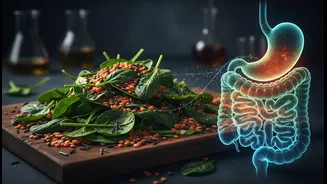
popular 'healthy' foods are less packed than you’d think. Furthermore, bioavailability is the measure of how much of a nutrient your body can actually absorb and use from a food source. Factors like other foods eaten at the same time, your personal health, and how food is cooked can all impact how much goodness you get. For instance, compounds called phytates and oxalates, found in many plant foods like grains and spinach, can bind to minerals and make them harder for your body to absorb.
The Iron Gap
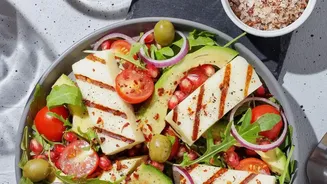
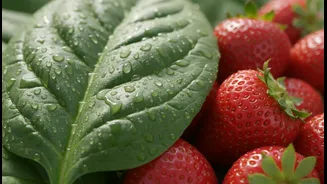
Iron is crucial for making haemoglobin, the protein in red blood cells that carries oxygen throughout your body. When levels are low, you can feel overwhelmingly tired, weak, dizzy, and experience shortness of breath. While many people associate iron with red meat, there are two types: heme iron from animal sources and non-heme iron from plants. Your body absorbs heme iron much more easily. Plant-based eaters need to be especially mindful. Excellent plant sources include lentils, chickpeas, beans, tofu, and dark leafy greens like spinach. A great tip is to pair these foods with a source of Vitamin C—like oranges, bell peppers, or tomatoes—which can significantly boost the absorption of non-heme iron.
Calcium and Bone Health
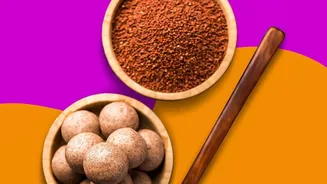
We know calcium is the cornerstone of strong bones and teeth, but it's also vital for muscle function and nerve signalling. Unlike an iron deficiency, the signs of low calcium are often silent until a fracture occurs. While dairy products are famously rich in calcium, they aren't the only option. For those who are lactose intolerant or follow a plant-based diet, many other foods can fill the void. Ragi, a staple in many Indian households, is an excellent source. Other powerful non-dairy sources include tofu made with calcium sulphate, fortified plant milks, almonds, sesame seeds, and leafy greens like kale and bok choy. Canned sardines and salmon, if you eat the soft, edible bones, are also calcium powerhouses.
The Sunshine Vitamin: D
Vitamin D is unique because our bodies can produce it from sun exposure. However, deficiency is incredibly common, especially for those with darker skin, people who spend most of their time indoors, or live in northern latitudes. This vitamin is essential for helping the body absorb calcium, making it a critical partner for bone health. It also plays a major role in immune function. Symptoms of deficiency can be vague, including fatigue, bone pain, muscle weakness, and mood changes. Few foods are naturally rich in Vitamin D, but sources include fatty fish like salmon and mackerel, egg yolks, and mushrooms. Many foods, such as milk, plant-based milks, and cereals, are fortified with it to help people meet their needs.
The Elusive Vitamin B12
Vitamin B12 is essential for nerve function and the creation of DNA and red blood cells. It is found almost exclusively in animal products, including meat, fish, eggs, and dairy. This makes deficiency a significant risk for vegetarians and especially vegans. Studies show high rates of B12 deficiency in these groups. Symptoms can be serious and may include fatigue, weakness, constipation, numbness or tingling in the hands and feet, and memory problems. For those avoiding animal products, the only reliable sources are fortified foods—such as breakfast cereals, some plant milks, and nutritional yeast—or a B12 supplement.