
The Search for Soul in Our Spaces
For years, modern Indian interior design leaned into a clean, global minimalism, often resulting in spaces that were polished but lacked personality. Homeowners are now moving away from this sameness, driven by a desire to curate experiences and tell
their own stories. This shift marks a departure from mere decoration towards creating a home that is a true extension of the self. Instead of replicating a look, the focus is on a design that feels authentic to the people living there. This search for soul has led to a renewed appreciation for items that carry history, character, and a human touch.
Handmade as the New Luxury
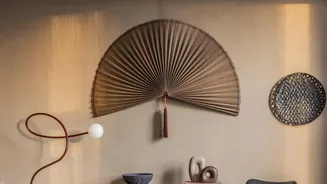
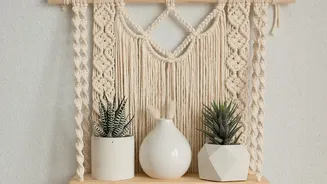
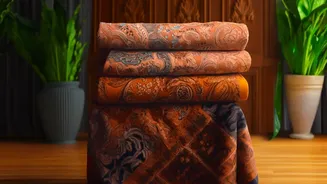
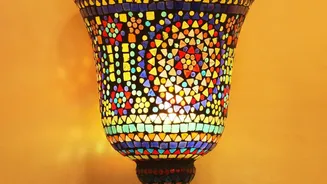
In this new landscape, luxury is being redefined. It's no longer just about a high price tag or a famous brand, but about bespoke craftsmanship and purpose-driven design. A handcrafted object, with its subtle imperfections and unique character, is now seen as a mark of true sophistication. Homeowners are realising that a hand-carved wooden panel, a Dhokra sculpture, or a hand-woven rug brings a warmth and narrative that mass-produced items cannot replicate. These pieces aren't just decorative; they are conversation starters, each with a story of skill, patience, and heritage embedded within it.
Championing Artisans and Heritage
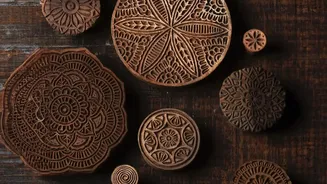
This growing demand for handmade decor is placing a welcome spotlight on India's vast community of artisans. With a craft heritage that dates back millennia, every region of India has its own unique artistic language, from the block prints of Rajasthan to the metalwork of Moradabad and the terracotta of West Bengal. By choosing handmade items, consumers are not just decorating their homes; they are helping to preserve centuries-old art forms and support the livelihoods of skilled craftspeople. The rise of online platforms and design-led brands has been crucial in bridging the gap between rural artisans and urban consumers, making these unique products more accessible than ever.
Sustainability and Conscious Choices
The trend towards handmade decor is also deeply connected to a growing consciousness around sustainability. Artisanal products are often made using locally sourced, natural, and biodegradable materials like jute, cane, terracotta, and organic cotton, which have a lower environmental impact. This conscious consumerism is a response to the wastefulness of fast furniture and mass production. By opting for durable, handcrafted pieces, homeowners are making a choice that is kinder to the planet, supporting small-scale production, and investing in items that are built to last for generations.
Weaving a Personal Narrative
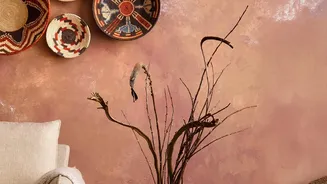
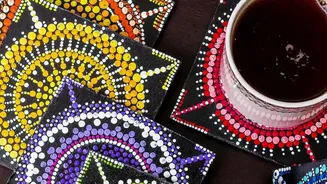
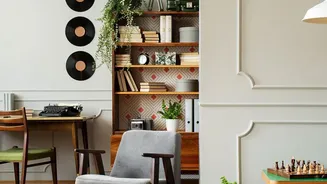
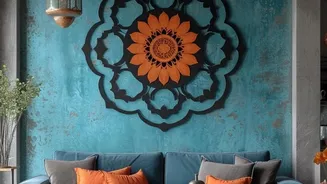
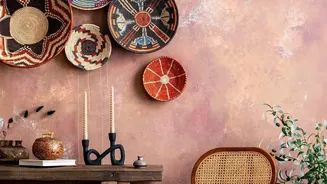
Ultimately, the turn towards handmade decor is about creating a home that is a personal sanctuary. It's about mixing old with new, blending a modern sofa with cushions in traditional Phulkari prints, or placing a vintage brass urli at a contemporary entrance. These eclectic interiors seamlessly blend traditional and contemporary elements, creating a space that is harmonious and deeply personal. Whether it's a tribal sculpture on a console table or a collection of hand-painted plates on a wall, each handmade piece adds a layer to the home's story, transforming it from a simple living space into a vibrant canvas of personal history, taste, and cultural connection.