









The Engine Room: What Is a 'Dark Store'?
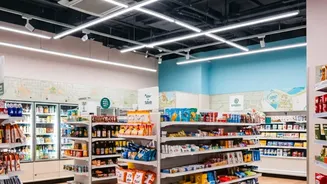
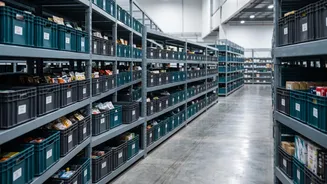
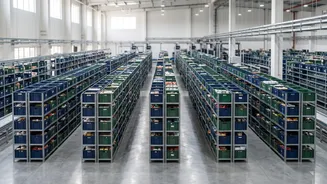
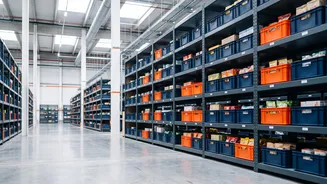
First, let's clarify what a 'dark store' actually is. Despite the mysterious name, it's a simple concept. Imagine a small warehouse or a mini-supermarket, but with no customers allowed inside. These facilities, typically ranging from 2,000 to 4,000 square
feet, are purely for fulfillment. They are strategically placed in dense residential areas across the city, stocked with thousands of items, and staffed with pickers, packers, and a fleet of delivery riders. This model is the secret sauce that enables quick-commerce giants like Zepto, Swiggy Instamart, and Blinkit to meet their ambitious 10- to 20-minute delivery promises. Without this hyper-local presence, such speeds would be impossible.
Phase One: The Race for Real Estate
For the last couple of years, the primary strategy in Bengaluru's q-commerce scene seemed to be a straightforward land grab. The logic was simple: the more dark stores a company operates, the more of the city it covers. Each new store represented a new neighbourhood captured, unlocking a fresh pool of potential customers who could be served within the critical delivery window. This led to an aggressive expansion where headlines often focused on the sheer number of new stores being opened. Investors and analysts tracked store counts as a primary indicator of growth and market penetration. It was a race to plant flags across the map of Bengaluru, establishing a physical footprint faster than the competition.
The Flip Side: When More Is Just More Expensive
However, a large network of dark stores comes with enormous costs. Each location carries expenses for rent, electricity, staff salaries, and inventory management. A store that only receives a handful of orders an hour is not a strategic asset; it's a financial drain. This is where the narrative shifts from simple expansion to a more crucial metric: efficiency. A company can have 100 dark stores across the city, but if most of them are sitting idle or are underutilised, the business is burning cash at an unsustainable rate. This reality has forced a strategic pivot across the industry, moving the focus away from just opening new stores to making existing ones work harder.
The Real Metric: Order Volume and Density
This brings us to the core of the issue: the difference between store count and order volume. While store count measures reach, order volume measures viability. Industry experts suggest that a dark store only starts to become profitable when it handles a significant number of orders per day, often estimated to be in the range of 800 to 1,000. Below this threshold, the revenue from sales is unlikely to cover the store's fixed and operational costs. The game is won not by having the most stores, but by having the busiest stores. This is achieved through 'order density'—generating a high volume of orders from a small geographic radius around the store. High density means delivery riders can complete more trips in less time, drastically improving the unit economics of each order.
What This Means for Bengaluru's Shoppers
For consumers, this behind-the-scenes battle for efficiency is significant. As companies shift their focus from pure growth to profitability, it could lead to several outcomes. We might see further consolidation in the market, with only the most operationally efficient players surviving in the long run. Companies will likely double down on marketing and promotions in areas where their dark stores are already achieving high density, offering better deals to keep order volumes high. Conversely, services might become less consistent in neighbourhoods where achieving high order density proves difficult. The 10-minute delivery promise will increasingly be tied not just to your location, but to how profitable that location is for the provider.