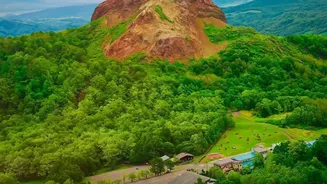



Embracing the Lush Greenery
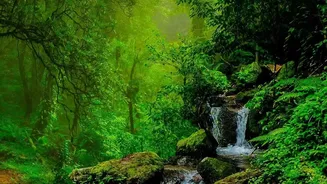
Between June and September, Assam undergoes a breathtaking transformation. The monsoon breathes new life into the state, washing away the summer heat and blanketing everything in an otherworldly green. Tea gardens, drenched and glistening, exude a fresh,
earthy aroma, making it a perfect time for a sensory journey. While tea production slows, the visual appeal skyrockets, with estates around Jorhat and Dibrugarh becoming vast canvases of green. Many colonial-era bungalows within these estates offer stays, allowing you to experience the laid-back luxury of a bygone era amidst the rain. Imagine sipping a cup of fine Assam tea while watching the rain fall over endless plantations—a truly serene experience.
The Majestic Brahmaputra
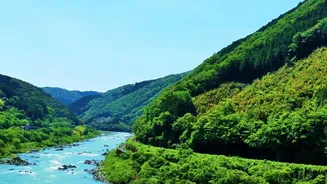
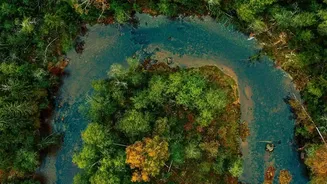
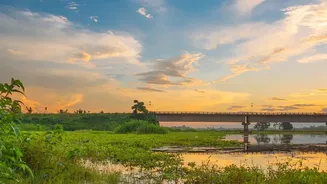
While long-haul luxury cruises on the Brahmaputra are paused during the monsoon due to the powerful currents and flooding, the river's raw majesty is a sight to behold. The river swells dramatically, reshaping the landscape and showcasing nature's force. For travellers, this doesn't mean the river is off-limits. Shorter, local boat rides near cities like Guwahati offer stunning views of the monsoon-fed river against dramatic, cloudy skies. It’s an opportunity to witness the river not just as a waterway, but as the lifeblood of Assam, powerful and untamed.
Chasing Waterfalls and Misty Hills
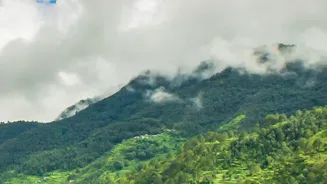
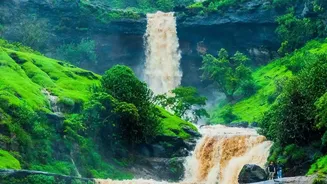
The monsoon is when Assam's hills and waterfalls are at their most spectacular. Haflong, the state's only recognized hill station, becomes a misty paradise, with clouds blanketing its serene lake and rolling hills. The rains give birth to countless seasonal waterfalls that cascade down rocky slopes, particularly in the North Cachar Hills. Destinations like Cherrapunji in neighbouring Meghalaya, easily accessible from Assam, become even more dramatic, with famous sights like the Nohkalikai and Seven Sisters Falls roaring with full force. It's an ideal time for road trips aimed at capturing these powerful displays of nature.
Monsoon Life on Majuli Island
A visit to Majuli, the world's largest river island, is a unique cultural experience during the monsoon. While rising river levels can pose challenges, the island remains accessible and transforms into a lush, green paradise. Life on the island adapts to the water, with communities in stilted Mishing villages navigating the changed landscape by boat. This season offers a chance to experience the island's unique culture and spirituality at a slower pace. Visitors can explore the Vaishnavite monasteries (Satras), interact with artisans known for mask-making, and witness a way of life deeply intertwined with the rhythm of the river and the rain.
Wildlife Beyond the Main Parks
It's true that major national parks like Kaziranga and Manas are largely closed during the monsoon due to flooding. Safaris into the core zones are not possible. However, the experience of wildlife doesn't completely stop. Some buffer zones may remain accessible, and certain other sanctuaries offer unique monsoon viewing opportunities. Pobitora Wildlife Sanctuary, known for its dense population of the one-horned rhinoceros, becomes incredibly vibrant and green, offering a different kind of safari experience. Deepor Beel, a freshwater lake near Guwahati, becomes a haven for birdwatchers as the rains recharge the wetland, attracting numerous bird species.