

Ditch the Schedule, Trust the Soil
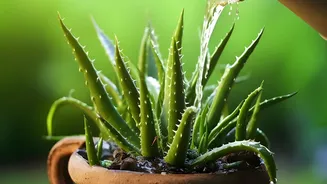
The single biggest mistake gardeners make during rainy months is sticking to a rigid summer watering schedule. During the monsoon, high humidity and cloudy skies dramatically slow down evaporation, meaning soil stays moist for much longer. Instead of
watering daily, adopt a more flexible approach. The best tool is your own finger. Before reaching for the watering can, insert your finger about one or two inches into the soil. If it feels damp, wait another day. If it’s dry, it's time to water. This simple test is the most reliable way to prevent the leading cause of plant death during this season: overwatering.
The Real Enemy: Root Rot
So, what's the big deal with a little extra water? The primary issue is root rot. Plant roots need oxygen to function, which they absorb from air pockets in the soil. When soil becomes waterlogged, these pockets fill with water, effectively suffocating the roots. This creates an anaerobic environment where harmful fungi and bacteria thrive, causing the roots to decay. Healthy roots are typically firm and white, but rotten roots become brown, black, and mushy, often emitting a foul odour. Since this damage happens below the surface, prevention is far more effective than cure.
Signs Your Plant is Overwatered
Learning to spot the early warning signs of overwatering can save your plants. Paradoxically, an overwatered plant can look a lot like an underwatered one. The most common sign is yellowing leaves, especially the lower ones. The leaves may also wilt or droop, but unlike a thirsty plant's crisp foliage, they will feel soft and limp. Other red flags include mushy stems near the base, brown spots on leaves, premature leaf drop, and even mould or green algae growing on the soil's surface. Noticing these symptoms early gives you a chance to intervene.
Special Care for Outdoor and Balcony Plants
Plants exposed to the elements need special attention. Ensure all outdoor pots have ample drainage holes so excess rainwater can escape easily. It’s also wise to elevate pots on feet or bricks to prevent them from sitting in puddles and to ensure the drainage hole isn't blocked. After a heavy downpour, check the saucers under your pots and empty any collected water. A waterlogged saucer can lead to root rot just as quickly as overwatering. For plants in the ground, good soil structure is key. Amending heavy clay soil with compost can improve drainage significantly.
Don't Forget Your Indoor Plants
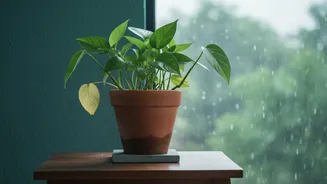
Even though they are sheltered from the rain, your indoor plants are also affected by the monsoon. The rise in ambient humidity means their potting mix will also dry out more slowly. The same 'finger test' applies here: check the soil moisture before watering. It's also a good idea to improve air circulation around your indoor plants by spacing them out or using a small fan. Reduced sunlight due to cloudy skies can also slow their growth, so moving them closer to a bright window can help them process the moisture in their soil more effectively.
Beyond Watering: Other Monsoon Tips
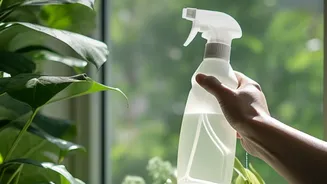
Proper watering is crucial, but a few other adjustments can help your plants thrive. First, reduce fertilising. Most plants slow their growth in the lower light and high humidity of the rainy season, so they need fewer nutrients. Second, always water the soil, not the leaves. Wet foliage in a humid environment is an open invitation for fungal diseases like powdery mildew. If you do water, do it in the morning so any excess moisture on leaves has a chance to evaporate during the day. Finally, keep an eye out for pests, which also love the damp conditions.