



Dodging the Financial Burden
The most significant factor driving young professionals towards renting is the avoidance of massive upfront costs. Setting up a home from scratch, even with basic pieces, can cost anywhere from ₹50,000 to over ₹1,00,000. For someone just starting their
career or managing the high cost of living in a metro city, this is a substantial financial hit. Renting replaces this large, one-time expenditure with manageable monthly payments, freeing up capital for other investments, experiences, or savings. This model aligns perfectly with the financial prudence of a generation navigating high property rents and a desire for liquidity. The math is simple: why sink a huge sum into assets that depreciate when you can achieve the same level of comfort for a fraction of the monthly cost?
A Lifestyle Built on Mobility
The modern career path is rarely linear or tied to one location. Young Indians are more mobile than ever, frequently relocating for better job opportunities, further studies, or personal reasons. In this context, owning bulky furniture becomes a logistical and financial nightmare. The costs of packing, potential damage during transit, and the hassle of selling unwanted items at a low resale value make ownership a burden rather than a benefit. Furniture rental platforms offer a seamless solution: use what you need, for as long as you need it, and simply return it when you move. This asset-lite approach provides the freedom and flexibility that a transient generation values above the traditional sense of permanence.
The Ultimate Convenience
Beyond cost and mobility, convenience is a kingmaker for this trend. Rental services handle everything from delivery and assembly to maintenance and eventual pickup. If an appliance malfunctions or a sofa needs repair, the rental company typically takes care of it at no extra charge. This eliminates the hidden costs and hassles of ownership. Moreover, the process is streamlined through user-friendly apps and websites, allowing a new apartment to be fully furnished with just a few clicks. This hassle-free experience is a major draw for a generation accustomed to on-demand services in every other aspect of their lives, from food delivery to transport.
Freedom from Commitment
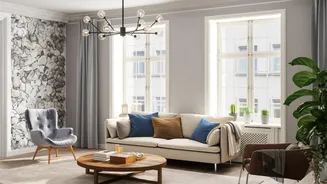
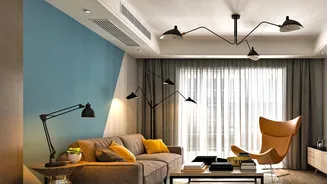
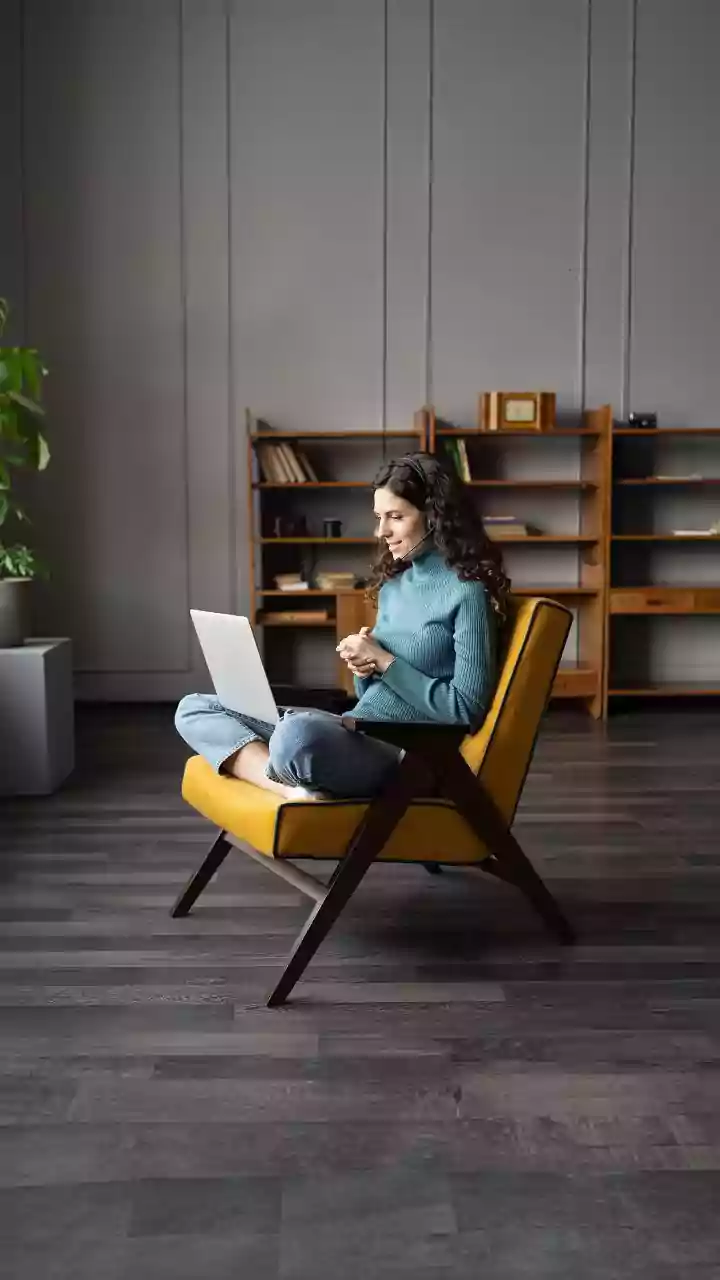
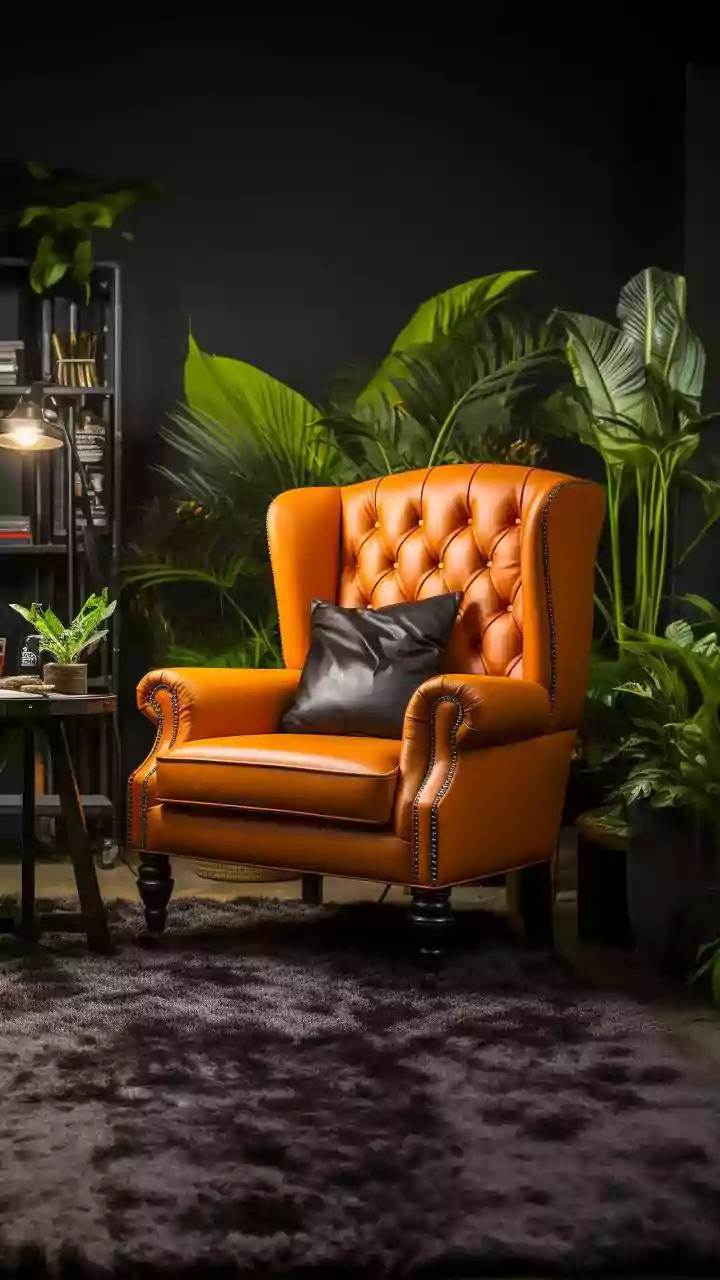
Renting furniture isn't just about avoiding financial commitment; it's also about aesthetic freedom. Tastes and trends in home decor evolve, and what seems stylish today might feel dated in a few years. Renting allows young earners to experiment with different styles, upgrade their decor as their tastes change, or adapt their living space to new needs—like setting up a home office—without being locked into a purchase. This flexibility to refresh one's living environment appeals to a generation that values personalization and staying current. Many platforms offer easy upgrades or swaps, ensuring one's home can evolve along with their lifestyle.
A Nod to Sustainability
There's also a growing environmental consciousness influencing this shift. The traditional model of buying furniture, especially for temporary living situations, often leads to waste when items are discarded during a move. The rental model is inherently more sustainable, promoting a circular economy where products are reused, refurbished, and kept in circulation for much longer. For many eco-aware millennials and Gen Z consumers, choosing to rent is a conscious decision to reduce their carbon footprint and minimize waste, making it not just a practical choice, but a meaningful one.