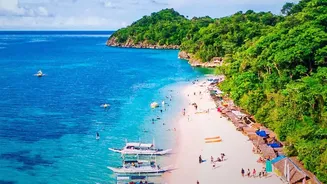


Boracay's White Beach is legendary for its powdery sand and turquoise water, a paradise that tops global travel lists. But beyond the postcard image lies a more complicated truth: a world-class destination grappling with its own immense popularity.
The Paradise Postcard
For
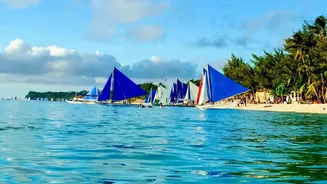
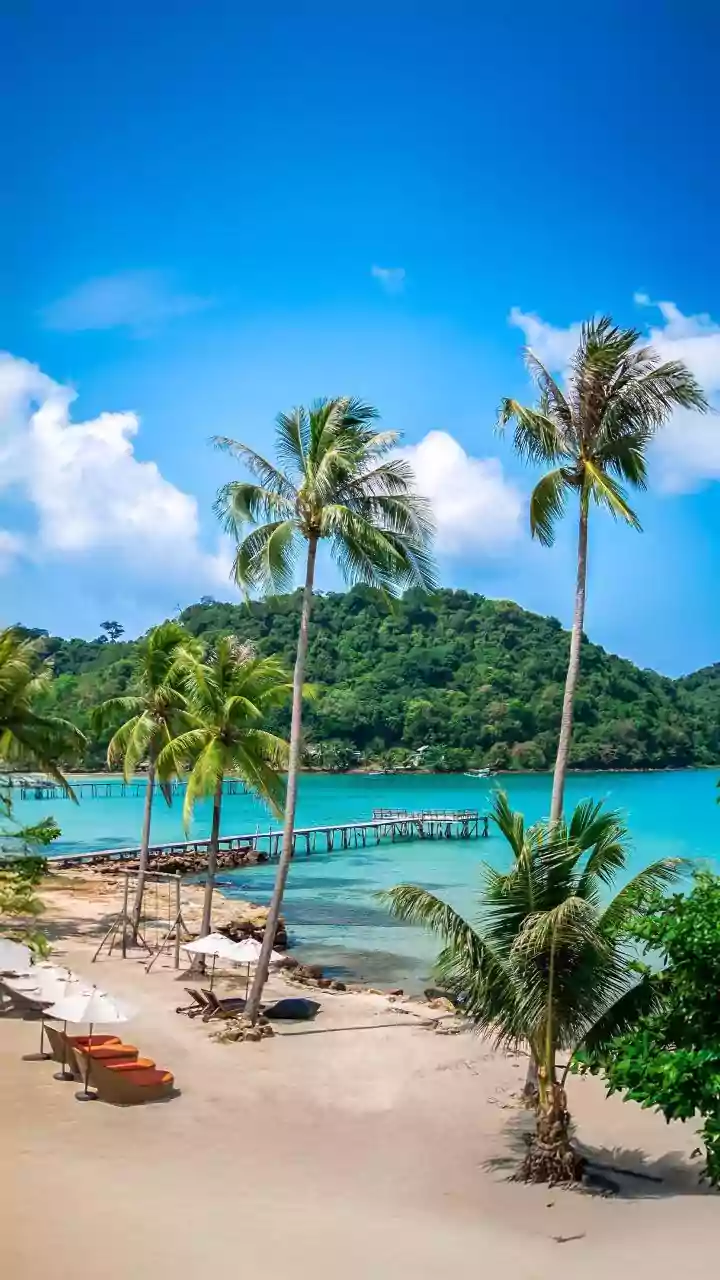
decades, Boracay has been the crown jewel of Philippine tourism. Its main draw, the four-kilometer stretch of White Beach, is the stuff of dreams. The sand is so fine and white it feels like flour underfoot, and the water is a calm, crystal-clear expanse of blue that remains shallow for a great distance, making it an ideal natural swimming pool. It’s a place that built its reputation on pure, accessible beauty, attracting millions of visitors and consistently earning titles like 'best island in the world'. This is the Boracay of Instagram, of travel magazines, and of the global imagination—a flawless tropical escape.
The Reality of the Crowds
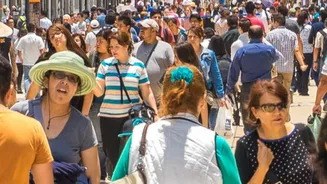
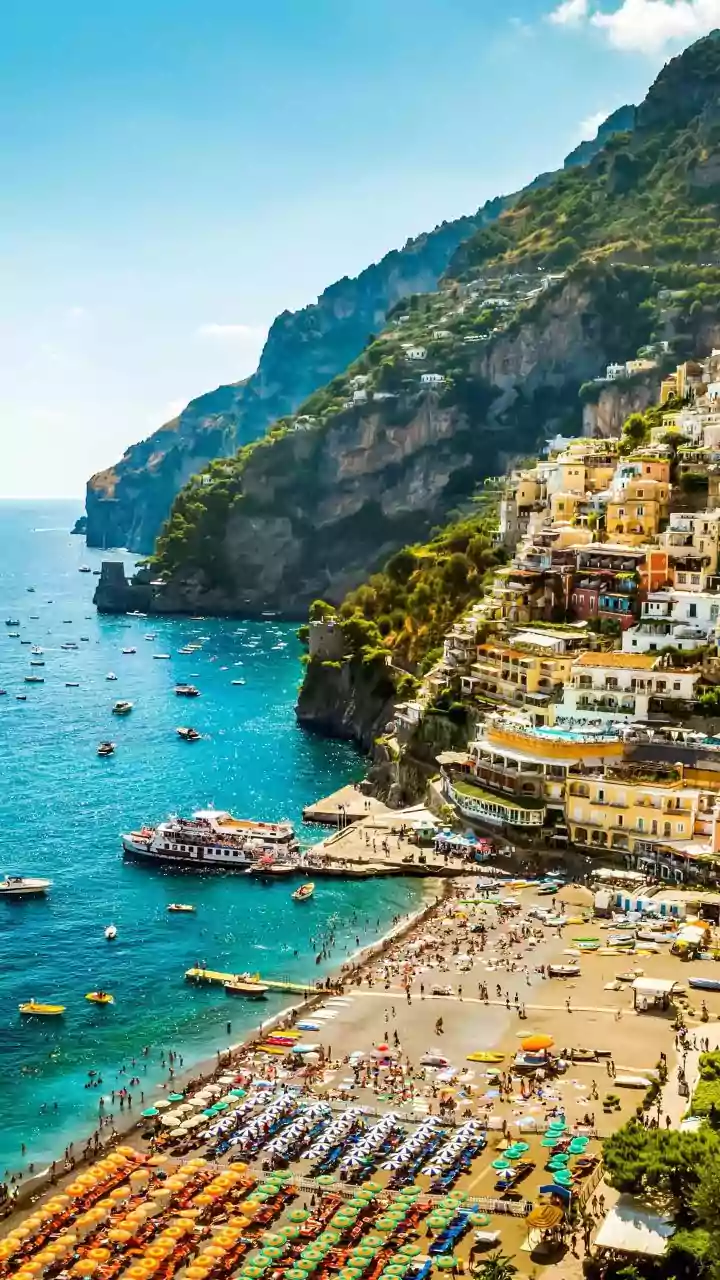
The problem with a world-famous paradise is that the whole world wants to visit. The headline claim of 'overrated' often stems from the on-the-ground experience at White Beach, particularly along the central and bustling Station 2. During peak season, from December to May, the shoreline can feel less like a serene getaway and more like a crowded city park. The path is often thronged with people, and the water is dotted with hundreds of tourists taking photos. For many, the constant presence of vendors and the sheer density of visitors can shatter the illusion of peaceful seclusion, making it hard to find a quiet spot to simply enjoy the view. It's a paradise that sometimes requires sharing with thousands of your closest friends.
The 2018 Rehabilitation: A Drastic Reset
By 2018, the island was straining under the weight of its success, a situation then-President Duterte famously described as a 'cesspool' due to pollution and unregulated development. Lab-grown E. coli levels were alarmingly high in some areas and illegal structures crowded the coastline. In a drastic and controversial move, the government closed the entire island to tourists for six months. This rehabilitation period was used to demolish illegal structures, upgrade the sewage system, and clean up the beaches, a painful but necessary reset aimed at long-term sustainability.
The Post-Rehab Verdict: Has It Worked?
The reopening of Boracay came with a new set of rules designed to prevent a return to the old ways. A strict daily tourist cap of around 19,215 people at any given time was implemented, and visitors are now required to have a confirmed booking with a DOT-accredited hotel to even enter the island. Large, rowdy parties like 'Laboracay' were banned, and rules against drinking and smoking on the beach were put in place to maintain its cleanliness. While these regulations have made a noticeable difference—the water is cleaner and the beach feels more orderly—the challenge remains. During peak holidays, the carrying capacity has still been breached on occasion, proving that the struggle between preservation and profit is ongoing. In 2025, the island saw a record 2.1 million visitors, demonstrating that its popularity has not waned.
How to Visit Boracay the Smart Way
So, is Boracay overrated? It depends on how you visit. To avoid the worst of the crowds, timing is everything. The shoulder seasons of November or late May offer great weather with fewer people. Even during peak months, the beach is often quietest in the early mornings. Smart travelers also know to look beyond the busiest sections. Station 1 offers a wider, more serene beachfront, often with more luxurious and less crowded resorts. Station 3, to the south, is more laidback and retains a greener, more natural feel. For a true escape, explore other beaches on the island like the quieter Diniwid Beach or the windward Bulabog Beach, which is a haven for kitesurfers during any windy season.