





The Allure of the Monsoon Coast
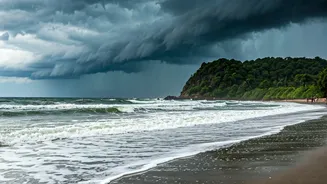
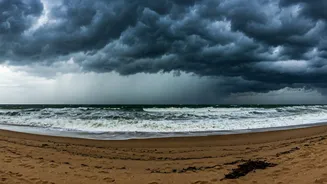
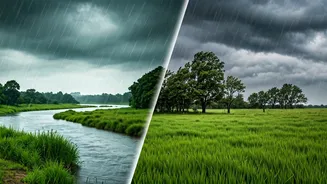
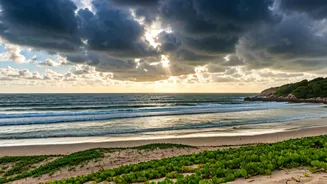
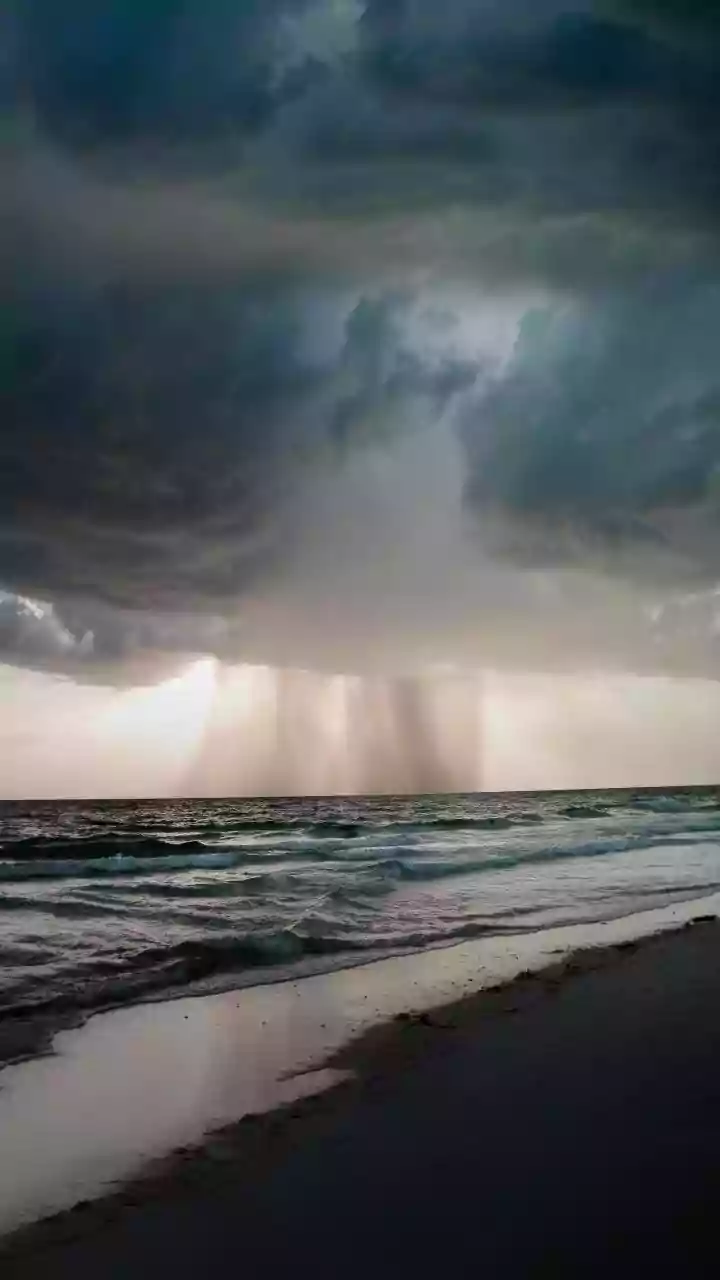
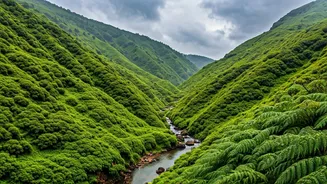
There's a unique magic to India's coastline when the rains arrive. The usual tourist hustle fades away, replaced by a serene, meditative atmosphere. Destinations like Goa, Kerala, and Gokarna transform into lush green paradises, with dramatic, cloud-filled
skies and the rhythmic sound of waves. This season offers a more peaceful, and often more affordable, holiday. Hotels and resorts frequently provide attractive discounts, making it a budget-friendly time to travel. For those seeking relaxation, the cooler temperatures are a welcome respite from the intense summer heat, and the scenery becomes incredibly photogenic, with waterfalls like Dudhsagar in Goa at their spectacular peak.
Choosing Your Destination Wisely
Not all coastal areas are created equal during the monsoon. The west coast, including states like Kerala and Goa, receives significant rainfall. Kerala’s backwaters in Alleppey and the cliffside beaches of Varkala offer breathtaking views, with houseboat cruises through misty waterways creating a serene experience. Goa becomes quieter, perfect for exploring spice plantations and enjoying less crowded beaches like Palolem. On the east coast, destinations like Pondicherry and parts of Tamil Nadu experience less rainfall during the southwest monsoon. Pondicherry’s French colonial streets become even more charming when washed by showers, offering a calm retreat. It's crucial to select a destination with a mix of indoor and outdoor attractions, so a day of heavy rain doesn’t derail your plans.
Navigating the Tricky Side
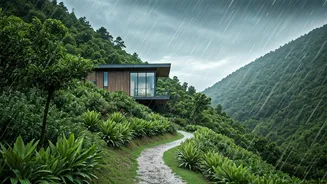
The primary challenge of monsoon travel is the weather's unpredictability. Heavy rains can lead to waterlogged streets, transport delays, and even landslides in hilly coastal areas. It’s essential to build flexibility into your itinerary, allowing for buffer days. Many beachside activities, especially swimming and water sports, are shut down due to rough seas and strong currents, a critical safety measure. Some beach shacks and seasonal restaurants may also be closed. Renting a car is often a safer and more comfortable option than a two-wheeler on slippery roads. Always check local weather advisories and road conditions with your hotel before setting out for the day.
Essential Monsoon Packing
Packing smart is key to a comfortable trip. Prioritise lightweight, quick-drying clothes made from synthetic fabrics like polyester, as cotton and denim can take days to dry in high humidity. A reliable waterproof jacket and a sturdy umbrella are non-negotiable. For footwear, choose rubber sandals or waterproof shoes with a good grip to navigate wet and slippery surfaces. Protect your electronics, documents, and cash in waterproof bags or zip-lock pouches. An insect repellent is crucial, as the monsoon season sees an increase in mosquitoes. Finally, a power bank is a wise addition, as power cuts can be more frequent during heavy rains.
Health and Safety First
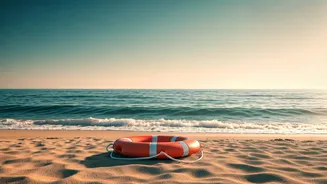
Safety should be your top priority. The most important rule is to avoid swimming in the sea, as currents can be dangerously strong. Be cautious around water bodies in general, and never venture onto wet rocks for photos, especially near waterfalls. When it comes to food and drink, stick to bottled or filtered water to avoid contamination, which is a higher risk during this season. It's also advisable to be cautious with street food and opt for busy establishments with high turnover. Carrying a basic first-aid kit with essentials for minor cuts and common ailments is also recommended.